The Hidden Anxiety Behind Every Meal
"Can I really eat this egg, or is it going to give me a heart attack?"
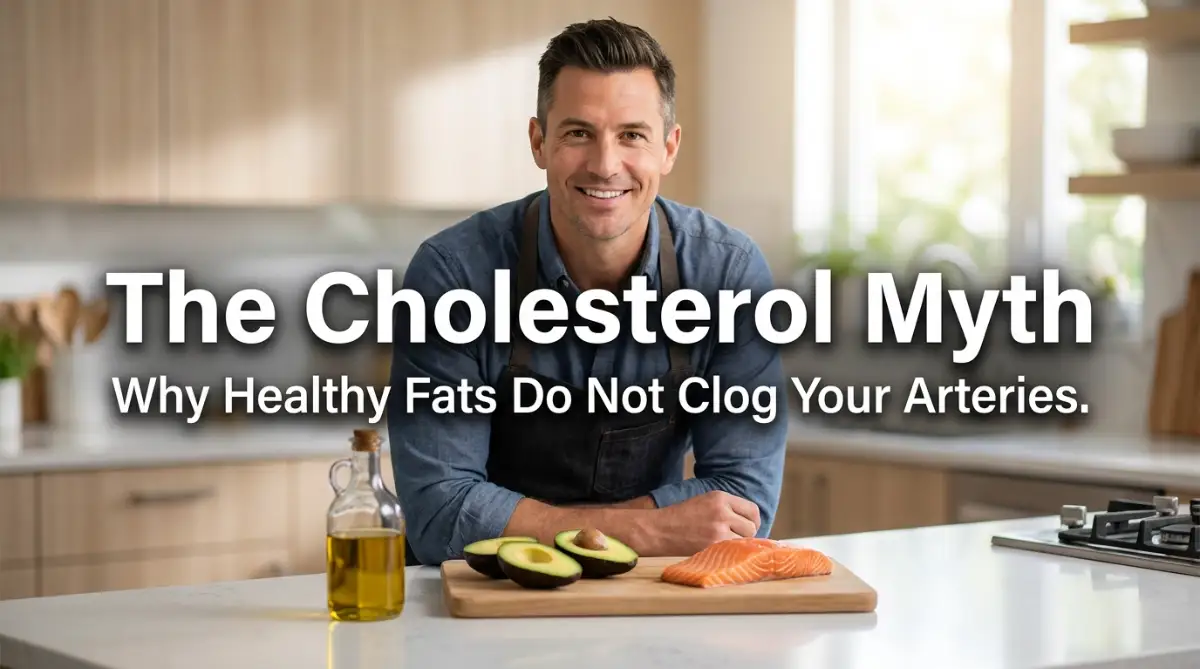
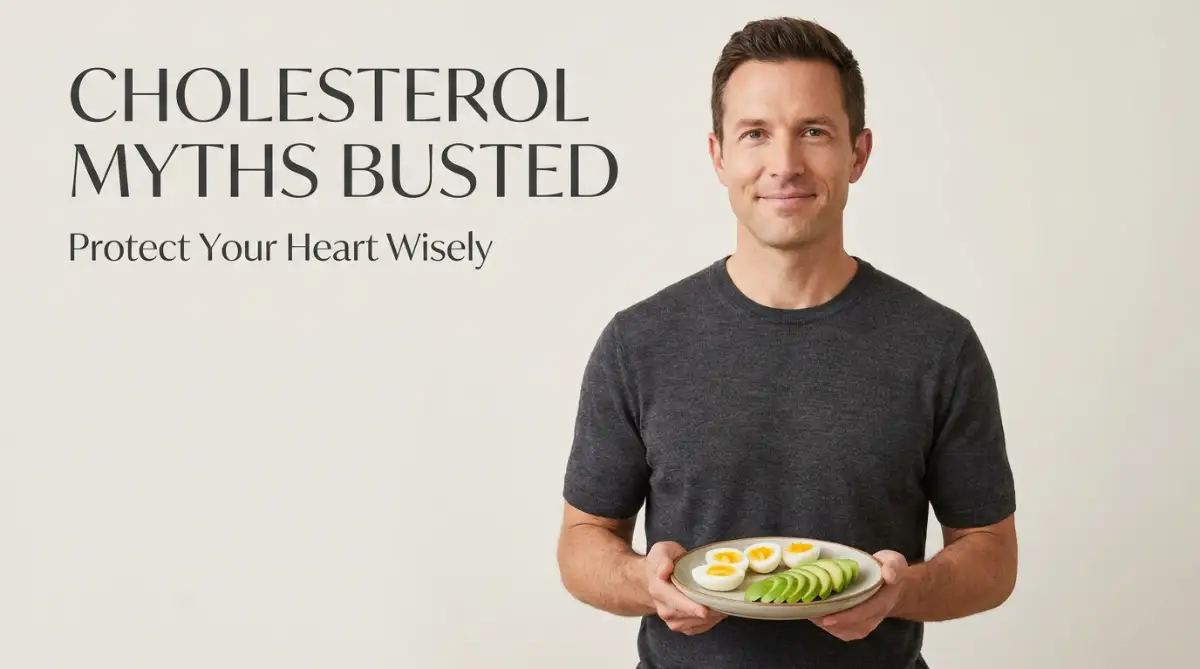
How many times have you asked yourself a question just like that? For millions of people, sitting down to eat breakfast has turned into a highly stressful event. We look at a simple plate of food and see hidden danger. We have been told for a very long time that eating foods rich in cholesterol will directly clog our arteries.
This constant fear destroys our mental peace. You might go to a family dinner and skip the delicious shrimp or cheese, feeling completely deprived. Then, you go home and eat a bowl of processed cereal instead, thinking you made the "safe" choice.
The sad reality is that many people restrict their diets unnecessarily, losing out on amazing nutrients. They sacrifice the joy of eating because they are terrified of a single word: cholesterol. This fear forces families to buy expensive, heavily processed "low-cholesterol" products that often taste like cardboard.
I have spoken with so many people who feel completely defeated. They avoid their favorite whole foods, yet their doctor still tells them their blood test results look poor. They ask me, "I stopped eating eggs completely, so why is my blood cholesterol still going up?"
The answer to this question usually surprises them. The stories you have heard about dietary cholesterol are mostly based on outdated assumptions. We need to clear up this massive misunderstanding. Let us look at the actual science and bring the joy back to your dinner table.
Breaking Down the Cholesterol Confusion
To truly solve this problem, we need to understand how your body actually works. People often imagine that when you eat cholesterol, it travels straight from your stomach and sticks directly to your heart.
This idea sounds logical, but it is completely wrong. Your body is much smarter than a simple plumbing pipe. Cholesterol is actually a highly important substance that your body needs to survive.
Without it, you could not build new cells, produce hormones, or absorb certain vitamins. Your brain is packed with cholesterol, and it uses it to send messages. Because it is so important, your body does not rely entirely on the food you eat to get it.
Your Body's Internal Factory
Here is a brilliant biological fact that changes everything. Your liver is a master manufacturing plant. It produces about 80% of the cholesterol found in your blood right now.
When you eat a lot of foods rich in cholesterol, your liver senses this incoming supply. It simply slows down its own production to keep your levels perfectly balanced. If you stop eating cholesterol entirely, your liver works overtime to make more of it.
This strict balancing act is why eating a couple of eggs for breakfast has almost zero impact on the blood test results of most normal people. Your body simply adjusts its internal factory.
Why Your Breakfast Is Not the Enemy
Let us look at a real-life scenario to make this very clear. Imagine a person named David who is terrified of heart disease. David decides to eat plain toast with sugary jam every single morning to avoid fat and cholesterol.
He thinks he is protecting his heart. However, that heavy dose of sugar causes his blood insulin levels to spike sharply. High insulin tells David's liver to store fat and produce even more internal cholesterol.
Now, imagine his neighbor, Sarah. Sarah eats two whole eggs cooked in a little butter for her breakfast. Eggs are packed with protein, vitamins, and healthy fats.
Sarah stays full until lunch, keeping her blood sugar completely stable. When she goes for her yearly checkup, her heart markers look fantastic. The eggs gave her nutrients, and her liver naturally handled the cholesterol without any problem.
The Real Troublemakers in Your Diet
If dietary cholesterol is not the main villain, what is actually causing heart disease? Science points a very firm finger at three main culprits.
The first massive problem is trans fats. These are fake, human-made fats usually found in cheap baked goods, fried fast food, and certain margarines. Trans fats cause heavy inflammation in your blood vessels, which directly damages your heart.
The second major issue is highly refined sugar. When you drink sugary sodas or eat packaged cookies, your body converts that extra energy into triglycerides. High triglycerides are a known risk factor for heart attacks and strokes.
The third issue is eating too much poor-quality saturated fat, especially from heavily processed meats like hot dogs or cheap sausages. A little natural saturated fat from real food is fine for most people. But eating heavily processed junk foods every single day will slowly wreck your health.
Understanding the Delivery Trucks: LDL and HDL
When you get a blood test, you usually see two main numbers: LDL and HDL. Doctors often call LDL the "bad" cholesterol and HDL the "good" cholesterol. But even this is a bit of a misunderstanding.
Think of your bloodstream as a busy highway. Cholesterol cannot swim in blood on its own, so it needs a vehicle. LDL (Low-Density Lipoprotein) is the delivery truck taking cholesterol from your liver to your cells.
HDL (High-Density Lipoprotein) is like the garbage truck. It picks up unused cholesterol and brings it back to the liver for recycling. Problems only happen when you have too many delivery trucks (LDL) and they start crashing on the highway.
Why Particle Size Matters
To make things slightly more detailed, not all LDL delivery trucks look the same. Some are large, light, and fluffy, like beach balls. These large particles bounce along the blood vessels harmlessly.
Other LDL particles are small, hard, and dense, like tiny golf balls. These small, dense particles are the dangerous ones. They can easily get stuck in the walls of your arteries and start a fire called inflammation.
Eating a lot of refined sugar and processed carbohydrates increases the number of small, dangerous golf balls. Interestingly, eating healthy saturated fats often increases the large, fluffy beach balls, which are generally harmless. This is why looking at your diet as a whole is much better than just fearing one specific nutrient.
Food Myths vs. Scientific Reality
Sometimes, seeing the facts clearly organized can completely calm your mind. Let us look at what we used to believe versus what we know today.
This clear comparison shows exactly why the old diet advice failed us. We replaced healthy whole foods with sugary, low-fat junk, and heart disease rates did not get any better.
The Exception: Dietary Hyper-Responders
I always want to give you the most honest and accurate information. While most people do not need to worry about dietary cholesterol, there is a small exception. About one in four people are what doctors call "hyper-responders."
For these specific people, eating foods very rich in cholesterol might slightly raise their blood levels. However, even in these cases, both their LDL and their HDL go up at the same time. This means the overall balance in their body remains relatively stable.
If you have a strong family history of genetic heart disease, you should always talk to your personal doctor. But for the vast majority of the general public, an egg or some shrimp is perfectly fine.
Redefining a Heart-Healthy Plate
Now that you know the truth, how should you actually eat? A truly heart-healthy diet is incredibly delicious and completely natural. You do not have to eat boring, tasteless meals anymore.
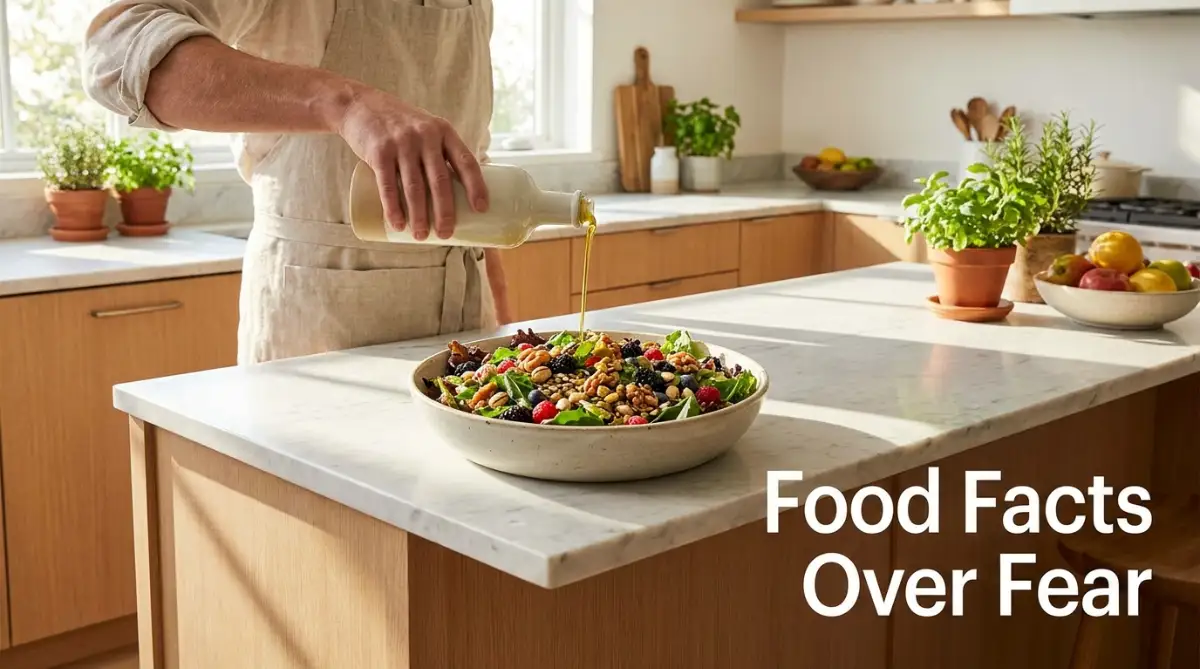
Start focusing heavily on foods that come from the earth. Extra virgin olive oil is a fantastic choice because it reduces inflammation in the body. Avocados, nuts, and seeds are packed with fats that actually help your heart function better.
You should also eat plenty of high-fiber foods like black beans, lentils, and fresh vegetables. Fiber acts like a natural sponge inside your digestive system. It literally grabs onto excess cholesterol and pulls it out of your body before it can cause any trouble.
The Danger of Processed Replacements
One of the biggest mistakes you can make is buying a product just because the label says "Cholesterol-Free." A bag of gummy candies is 100% cholesterol-free, but eating it every day will ruin your metabolic health.
Food manufacturers know that people are scared. They use clever marketing words to trick you into buying highly processed snacks. If a food product has a list of chemical ingredients you cannot pronounce, it does not matter if it is low in cholesterol.
Your heart wants real, whole food. A piece of baked salmon has natural cholesterol, but it also has amazing Omega-3 fatty acids that strengthen your heart muscle. Always choose a food based on its overall nutritional value, not just a single missing ingredient.
Moving Away from Food Fear
The main goal of understanding this science is to give you your freedom back. You have enough things to worry about in your daily life. You should not have to feel guilty about eating a nutritious breakfast.
When you sit down at the dinner table, look at your plate with gratitude instead of fear. If your meal includes colorful vegetables, a good source of protein, and healthy natural fats, you are doing a great job. Your body knows exactly what to do with those healthy ingredients.
By letting go of these old misconceptions, you reduce your daily stress levels instantly. Less stress means lower blood pressure, which is actually one of the best things you can possibly do for your heart. Science gives us the power to eat joyfully and live much healthier lives.
Designing a Smarter Lifestyle for Long-Term Heart Health
Now that we have removed the unnecessary fear surrounding a simple plate of eggs, we need a realistic plan. Moving forward, you must shift your focus away from avoiding natural fats. Instead, you need to build a daily routine that actually protects your blood vessels from real damage.
The secret to long-term heart health is not a highly restrictive crash diet. It is about creating an environment inside your body where inflammation cannot survive. When you lower overall inflammation, your liver naturally perfectly balances your cholesterol levels without you even trying.
We often focus entirely on food, but we ignore the silent damage happening behind the scenes. This oversight is exactly like driving your car with major standard auto insurance blind spots you need to fix today. You might feel perfectly safe on the road right now, but a hidden disaster is waiting to strike when you least expect it.
The "Sandpaper and Bandage" Analogy
To understand how to protect your heart, you need to know how damage actually happens. Imagine your blood vessels are smooth, perfectly clean pipes. When you eat heavily processed sugar, your blood sugar spikes wildly.
This excess sugar acts exactly like rough sandpaper scraping against the delicate inner walls of your arteries. Your body senses this dangerous scraping and panics. It immediately sends LDL cholesterol to the damaged area to act as a sticky bandage.
If you keep eating refined sugar, you keep scraping the pipes. Your body keeps sending more and more cholesterol bandages to fix the continuous cuts. Eventually, these layers of bandages build up and completely block the pipe.
Blaming dietary cholesterol for a heart attack is like blaming the bandage for causing the cut. If you want to stop the bandages from building up, you simply have to take away the sugary sandpaper.
Prioritizing High-Quality Omega-3 Fats
Instead of running away from all fats, you need to aggressively invite the right fats into your kitchen. Omega-3 fatty acids are incredibly powerful tools for your cardiovascular system. They act like a cooling lotion on those inflamed, scraped blood vessels.
You can find abundant Omega-3 fats in wild-caught salmon, sardines, chia seeds, and walnuts. Eating these foods regularly helps keep your blood vessels flexible and wide open. According to trusted research from the American Heart Association, regularly eating fatty fish directly lowers your risk of serious cardiac events.
You do not need to eat fish every single day to see these massive benefits. Adding a piece of baked salmon to your dinner twice a week is enough to create a highly protective barrier for your heart.
Mastering Your Daily Stress Levels
Here is a major expert secret that most doctors forget to mention during a quick checkup. Your daily stress level heavily dictates your internal cholesterol production. When you are constantly worried about work or family, your brain releases a stress hormone called cortisol.
High cortisol tells your liver to dump emergency sugar into your bloodstream. It also triggers your liver to manufacture extra cholesterol to handle the perceived crisis. You can eat the healthiest salads in the world, but if your stress is unmanaged, your lab tests will still look terrible.
You must find practical ways to lower your daily mental burden. For example, learning how AI can magically handle your daily household chores can easily give you an extra hour of rest every evening. That extra hour of relaxing on the couch physically lowers your blood pressure and protects your arteries.
The Magic of Daily Moderate Movement
You do not have to run marathons or lift heavy weights to have a strong heart. In fact, extreme exercise can sometimes cause unnecessary stress on an unprepared body. Your heart simply wants consistent, joyful movement.
A brisk thirty-minute walk after your evening meal is one of the most effective medicines on earth. Walking gently lowers your blood sugar naturally, without requiring any extra insulin. This simple habit clears the sugar out of your bloodstream before it can act like sandpaper on your arteries.
The Dangerous Traps That Secretly Ruin Your Progress
Even with the best intentions, it is incredibly easy to fall into clever marketing traps. Every year, millions of smart people damage their metabolic health because they follow terrible dietary advice. Let us look closely at these massive pitfalls so you can protect your hard work and your wallet.
The most common mistake is the belief that "Low-Fat" automatically means "Heart-Healthy." When food manufacturers remove natural fat from cookies or yogurt, the food tastes like wet cardboard. To fix the awful taste, they dump massive amounts of refined sugar and chemical syrups into the recipe.
When you buy that fat-free yogurt, you think you are making a highly responsible choice. In reality, you are sending a massive sugar bomb directly into your bloodstream. This triggers your liver to create the dangerous, dense LDL particles that actually cause blockages.
The Illusion of Quick-Fix Supplements
Another terrible mistake is relying on random internet supplements to magically fix your blood test results. People spend hundreds of dollars on unregulated pills that promise to melt away plaque overnight. These fake products are usually completely useless, and sometimes they contain toxic hidden ingredients.
Trying to fix your heart with cheap internet pills is incredibly risky. It is exactly why tech experts heavily warn you to stop using unofficial fast chargers until you read this battery guide. Taking cheap shortcuts might seem like a quick fix, but it will eventually cause permanent, irreversible damage to your internal system.
Your body is a highly complex machine that requires real, natural food to heal properly. You cannot outsmart a bad diet by swallowing a handful of sketchy capsules every morning.
Letting Financial Anxiety Dictate Your Diet
We must also talk about the heavy emotional side of eating. Sometimes, severe life stress completely overrides our logical brain. When we feel overwhelmed by bills and adult responsibilities, we often turn to cheap, highly processed comfort foods to cope.
If you are dealing with extreme financial anxiety, like trying to figure out why good borrowers get denied credit score traps to avoid before buying a house, your diet is usually the first thing to suffer. You might find yourself eating frozen pizzas every night just because you are too mentally exhausted to cook a proper meal.
This emotional eating cycle creates a massive spike in triglycerides and dangerous belly fat. You must forgive yourself for these moments, but you also need to break the cycle. Remember that a simple meal of scrambled eggs and spinach is actually much cheaper than a heavy fast-food delivery order.
The Danger of Ultra-Processed Plant Oils
Many people still believe that all plant-based products are automatically perfect for their health. This leads them to cook their family meals with heavily refined seed oils like soybean oil, corn oil, or generic vegetable oil. These specific oils are processed using high heat and harsh chemical solvents.
When you heat these unstable oils in your frying pan, they easily oxidize and turn toxic. Consuming oxidized oils causes massive inflammation throughout your entire cardiovascular system. A major report from the National Institutes of Health clearly warns that diets high in ultra-processed ingredients directly drive severe metabolic disease.
You should completely remove these clear plastic bottles of cheap oil from your kitchen today. Replace them with stable, natural fats like extra virgin olive oil, real grass-fed butter, or pure coconut oil. Your heart will immediately thank you for making this one simple swap.
A Clear Blueprint for Your Daily Plate
We have covered a massive amount of science today, but the final message is actually incredibly simple. You no longer have to fear natural, whole foods that human beings have eaten for centuries. The real enemy has always been the heavily processed, sugar-filled products that came from a modern factory.
Your goal starting today is to eat foods that spoil quickly. If a packaged snack can sit on a supermarket shelf for two years without rotting, it is probably terrible for your blood vessels. Real food goes bad, and that is exactly why it is so good for your living body.
Simple Do's and Don'ts for Tomorrow
To make this transition as easy as possible, keep this quick checklist in mind when you go grocery shopping. You do not need to be perfect every single day, but consistency is your best friend.
- DO eat whole eggs with the yolk; it contains powerful brain-boosting nutrients.
- DON'T eat sugary cereals that spike your insulin before you even leave the house.
- DO use plenty of extra virgin olive oil on your daily lunch salads.
- DON'T cook your meals with cheap, chemically extracted vegetable oils.
- DO prioritize getting at least seven hours of highly restful sleep tonight.
You completely possess the power to change your health story right now. Your body is constantly trying to heal itself, and it just needs you to provide the right building blocks. Stop stressing over every single bite of food and start enjoying your meals again.
When you replace food fear with actual scientific facts, your daily life becomes so much more enjoyable. Go ahead and cook that delicious omelet tomorrow morning with absolute confidence. Take a deep breath, enjoy your natural food, and step into a much healthier, happier future.
Medical Disclaimer: The information provided in this educational guide is strictly for general informational and educational purposes only. It does not constitute professional medical advice, diagnosis, or treatment. Always consult with your primary care physician or a qualified healthcare provider before making any major changes to your diet, exercise routine, or medication. Do not ignore professional medical advice because of something you have read on this website.