The Immediate Trap: When Quick Cash Becomes a Heavy Financial Burden
Imagine standing at an ATM late at night. You need cash immediately to pay for an emergency car repair. You pull out your credit card, insert it into the machine, and take out two hundred dollars.
It feels like a quick, easy win. But this simple act triggers a chain of events that quietly drains your wallet. Many of us have faced this exact moment of panic. We think we are just borrowing a little bit of our own credit limit. The reality is far more stressful and expensive than most people realize.
Many people fail to find the right information because bank terms are intentionally confusing. The fine print is often hidden in long, boring disclosure documents.
Here is why so many people fall into this trap:
- The Instant Fee Myth: People think they only pay a one-time small ATM fee.
- The Grace Period Trap: Many believe they have a month to pay it back interest-free, which is completely false.
- Misleading Advertisements: Credit card companies make ATM withdrawals look as easy and cheap as buying groceries.
- Lack of Clear Warning: ATMs do not show you the actual interest rate of your credit card cash advance before you withdraw the money.
Watching your debt grow overnight can deeply hurt your mental peace. It makes you feel trapped and constantly worried about your financial future. Here is how this financial stress affects your daily life:
- Constant Anxiety: You constantly worry about the next monthly statement.
- Loss of Control: Feeling like you cannot manage your money hurts your daily confidence.
- Fear of the Unknown: The fear of a dropping credit score makes you avoid checking your bank account.
- Relationship Stress: Financial pressure often leads to arguments with your partner or family.
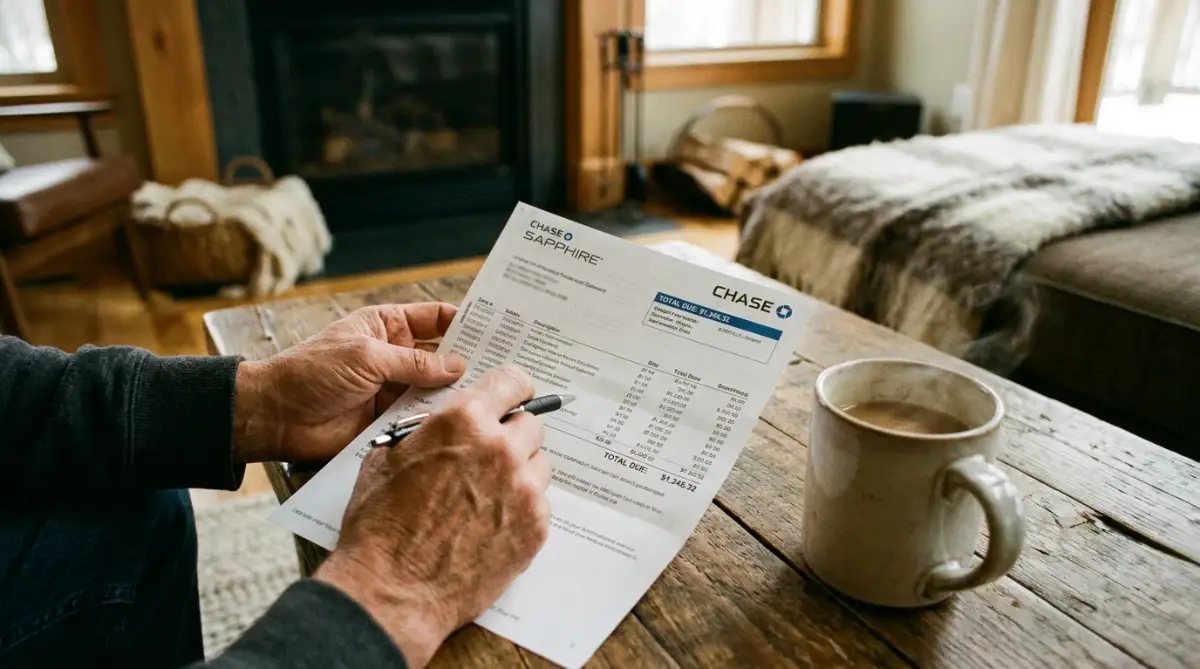
The Shocking Truth Behind Credit Card Cash Advances
To understand why this option is so dangerous, you must look at how credit cards actually work. When you buy a shirt with a credit card, you get a grace period. This means if you pay your bill on time, you pay zero interest.
Cash advances do not work this way. The moment the ATM spits out the paper money, the interest clock starts ticking. There is absolutely no grace period. If you do not pay it back the next day, you are already losing money.
To make matters worse, the interest rate for cash is much higher than for regular purchases. While a normal purchase might have an interest rate of 18%, a cash advance often charges up to 30% interest. This is a massive gap that can quickly snowball your debt.
Let us look at a real-life scenario to see how this plays out. Imagine you withdraw $500 as a cash advance. Your card company will likely charge an immediate fee of 5% or $10, whichever is greater. That means you instantly owe $525 before you even leave the ATM. Then, the high interest rate starts accumulating daily. If you take three months to pay it back, that $500 withdrawal could easily cost you $600 or more. You are essentially paying a massive premium just to hold paper cash.
A Smarter Path: 3 Steps to Handle Your Cash Emergency
If you are in a tight spot, you do not have to fall into the cash advance trap. You can take specific, logical steps to protect your hard-earned money. Here is a practical guide to handling cash emergencies without ruining your credit.
1: Calculate the Exact Fees Before You Touch the ATM
Before you make any decision, you must read the terms of your specific card. Look up your card's online portal or call the number on the back of your card. Ask them directly about their cash advance transaction fees and the specific interest rate.
Knowing the exact numbers removes the guesswork. If you realize that withdrawing $100 will cost you $15 in instant fees, you might decide the cash is not worth it.
Always compare the cost of the advance to the cost of your emergency. If you can delay the payment or pay with the card directly, always choose that option. Most merchants accept card payments, which keeps you safe from cash advance fees.
2: Use Safer Alternatives That Do Not Charge Instant Interest
There are almost always cheaper ways to get cash when you are in a pinch. For example, you can ask a friend or family member for a short-term loan. This can be awkward, but it saves you from high bank interest.
Another option is to use a payroll advance app. Many modern companies allow you to access money you have already earned before payday. These apps usually charge a tiny flat fee or nothing at all.
You can also look into a small personal loan from a local credit union. Credit unions often have much lower interest rates than major credit card companies. They are built to help community members rather than squeeze every penny out of them.
3: Clear the Balance Immediately Using Specific Payment Strategies
If you absolutely must use a cash advance, you need a plan to pay it off fast. Do not wait for your monthly statement to arrive in the mail. Send a payment to your credit card issuer the very next day if possible.
You must also understand how your credit card company allocates payments. By law, payments above the minimum amount must go to the balance with the highest interest rate. This means your extra money will go toward paying off the expensive cash advance first.
Keep your regular credit card balance as low as possible during this time. Focus every spare dollar on wiping out that cash advance. The faster you act, the less interest you will pay.
How Cash Advances Threaten Your Credit Score
Many people believe that cash advances do not affect credit scores as long as they pay the monthly minimum. This is a dangerous misunderstanding. A cash advance can damage your credit score in several indirect ways.
First, it immediately increases your credit utilization ratio. This ratio measures how much of your available credit you are using. If you have a $1,000 limit and you take a $500 cash advance, you are using 50% of your limit.
Credit bureaus prefer to see this ratio stay below 30%. A high utilization ratio tells lenders that you might be in financial trouble. This can cause your credit score to drop by dozens of points very quickly.
Second, the high cost of cash advances makes it harder to pay your regular bills. If your monthly payment suddenly jumps because of high interest, you might miss a payment.
A single late payment can stay on your credit report for seven years. It is the single biggest factor that determines your credit score. Avoiding the cash advance keeps your monthly obligations manageable and your credit score safe.
The Bottom Line: Is It Ever Worth It?
To sum up, using a credit card for a cash advance is almost never worth the cost. It is an incredibly expensive financial tool designed to benefit the credit card companies, not you.
The combination of immediate fees, high interest rates, and the lack of a grace period creates a perfect storm for your wallet. It should only be used as an absolute last resort when life or safety is on the line.
By building a small emergency fund, you can protect yourself from these high-cost traps. Even saving $500 in a separate account can keep you away from the ATM during a crisis. Stay informed, read the fine print, and make choices that protect your financial peace of mind.
Beyond the Basics: Advanced Tactics to Dodge Cash Advance Pitfalls
If you want to protect your finances, you need to go beyond basic card tips. True financial safety requires proactive steps that stop expensive mistakes before they can even start. Here are two advanced strategies that financial experts use to stay out of debt traps.
4: Request a Zero-Dollar Cash Advance Limit
Many people do not know that they can control the features on their credit cards. You can call your bank right now and ask them to lower your cash advance limit to zero. If a zero limit is not possible, ask them to set it to the lowest possible amount, like ten dollars.
This simple call creates a strong digital wall around your wallet. It makes it impossible for you to accidentally take out a cash advance at an ATM. It also protects you if someone steals your card, as they will not be able to drain cash from your account.
Most major card issuers can make this change in just a few minutes. It is a one-time step that gives you long-term peace of mind. You will never have to worry about making a high-interest mistake during a stressful moment.
5: Set Up a Linked Checking Account Overdraft Line of Credit
If you often find yourself needing physical cash for emergencies, look into an overdraft line of credit. You can link this special line of credit directly to your personal checking account.
If your account balance drops below zero, the line of credit automatically covers the difference. While this option still charges interest, the rate is usually much lower than a credit card cash advance.
Many banks also give you a normal grace period to pay back this overdraft amount. This makes it a much safer safety net than pulling cash directly from your credit card. Talk to your local credit union or bank to see if they offer this low-cost protection.
How to Keep Your Credit Score Healthy Over the Long Haul
Maintaining a great credit score is not a one-time event. It requires you to build simple, positive financial habits that run on autopilot.
First, you must create a dedicated cash-only emergency fund. Even if you can only save five dollars a week, start doing it today. Having actual cash in a separate savings account means you will never need to look at an ATM with panic in your eyes.
Second, make it a habit to check your credit reports at least once a month. You can access your reports for free without hurting your credit score.
Look closely for any unauthorized inquiries or strange accounts that you do not recognize. If you spot a mistake, dispute it immediately to keep your credit history clean and accurate. Over time, these small actions will build a financial shield that keeps your credit score high.

The Five Costly Mistakes People Make with Cash Advances
Even well-meaning people fall into credit card traps when they do not understand the rules. If you want to keep your debt from spiraling out of control, you must avoid these five common errors.
1. Using Cash Advances to Pay Off Other Credit Card Bills
This is one of the most dangerous traps you can fall into. Some people take cash from one card to pay the minimum balance on another card.
This does not solve your debt problem; it simply moves the debt to a much more expensive card. You are swapping regular interest for extremely high cash advance interest rates. Within a few months, this habit can double what you owe and lead to total financial collapse.
2. Believing That All ATMs Have the Same Card Terms
Many consumers assume that every ATM will treat their credit card the same way. In reality, using an out-of-network ATM can trigger three separate fees at once.
You will pay a fee to the ATM owner, a fee to your credit card company, and potentially a foreign transaction fee. Always check your bank’s network map before using any machine. A few minutes of research can easily save you fifteen dollars in useless fees.
3. Waiting for the Monthly Statement to Pay Back the Cash
Most credit card users are used to paying their bills once a month. However, waiting for your monthly bill is a massive mistake when dealing with cash advances.
Because interest starts accumulating on day one, every single day of delay costs you money. If you wait thirty days to pay, you will owe a significant amount of interest. Always pay the money back online within twenty-four hours of making the withdrawal.
4. Using "Convenience Checks" Without Reading the Terms
Many credit card companies mail out paper checks that look like regular bank checks. They often call them convenience checks and encourage you to use them for holiday shopping or bills.
These checks are actually cash advances in disguise. The moment you write one, you trigger the high cash advance interest rate and upfront fees. Never use these mail-in checks unless you have read every word of the fine print first.
5. Ignoring Your Total Available Credit Ratio
Taking out cash reduces your available credit instantly. If you are already close to your limit, a cash withdrawal can push you over the edge.
This triggers over-the-limit fees and instantly lowers your credit score. Lenders view this behavior as a sign of financial desperation, which makes them less likely to approve you for future loans. Keep your total utilization low to show banks that you can handle credit responsibly.
The Long-Term Damage of Ignoring These Financial Traps
Ignoring these five mistakes can cause severe damage to your life. Your credit score might drop so low that you cannot rent a decent apartment or get a car loan.
In some cases, employers run credit checks on job applicants, meaning poor credit could cost you a job opportunity. The high interest payments will eat away at your monthly budget, leaving you with less money for food, rent, or savings. Taking the time to understand these rules is the best way to protect your freedom and future.
Your Path to Lasting Financial Peace and Control
To sum up, managing your money does not have to be an overwhelming struggle. By learning how credit card companies operate, you can make choices that keep your cash in your own pocket.
Remember that you are in total control of your financial journey. Every time you choose to build an emergency fund instead of relying on credit, you are investing in yourself. You have the power to break free from the cycle of high-interest debt and stress.
Take a deep breath and start making small, positive changes today. Call your bank, lower your cash limits, and start saving whatever small amount you can. Your future self will thank you for the steps you are taking right now. Keep learning, stay disciplined, and enjoy the peace of mind that comes with true financial safety.