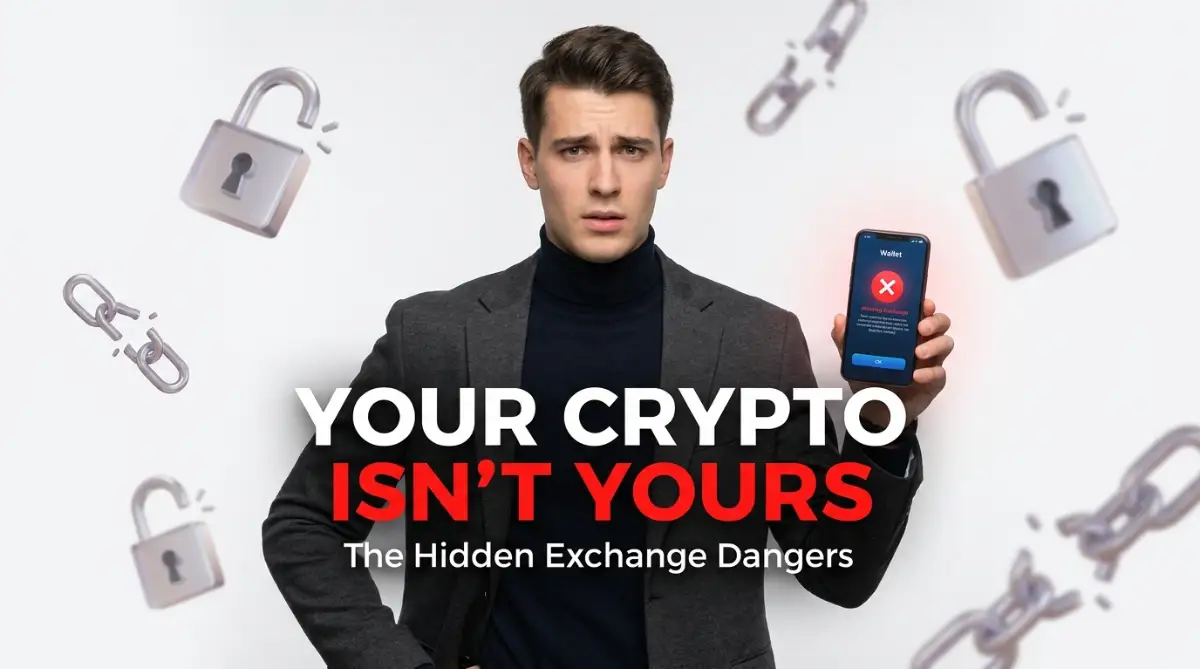
The Silent Nightmare Inside Your Favorite Trading App
I remember waking up on a completely normal Tuesday morning, reaching for my phone, and opening my favorite trading app with a big smile. I just wanted to check how my investments were doing overnight, expecting to see some green numbers. Instead, a cold, red banner flashed across the top of my screen saying "Withdrawals Temporarily Suspended." My heart instantly dropped into my stomach.
I sat there on the edge of my bed, hitting the refresh button over and over again, completely paralyzed by fear. Every single dollar I had saved and invested was locked behind that screen, and I had absolutely no way to access it. I felt completely helpless, realizing that the money I worked so hard for was entirely out of my control.
This is the harsh reality that thousands of everyday people face when they blindly trust third-party platforms with their hard-earned money. We deposit our funds, see our balance on a nice user interface, and falsely believe our assets are perfectly safe. But behind the scenes, you are handing over total control of your financial future to absolute strangers.
When a platform suddenly freezes, gets hacked, or goes bankrupt, the everyday user is the one who suffers the most. The sleepless nights, the constant refreshing of social media for any small update, and the crushing anxiety can completely destroy your mental peace. Families lose their entire life savings in a matter of seconds, all because of invisible security flaws they never knew existed.
It is incredibly painful to realize that the customer support tickets you send will likely get completely ignored during a crisis. You are left alone, feeling embarrassed and frustrated, wondering how you could let this happen to yourself. This emotional trauma is exactly why we need to talk about the hidden dangers hiding inside these platforms.
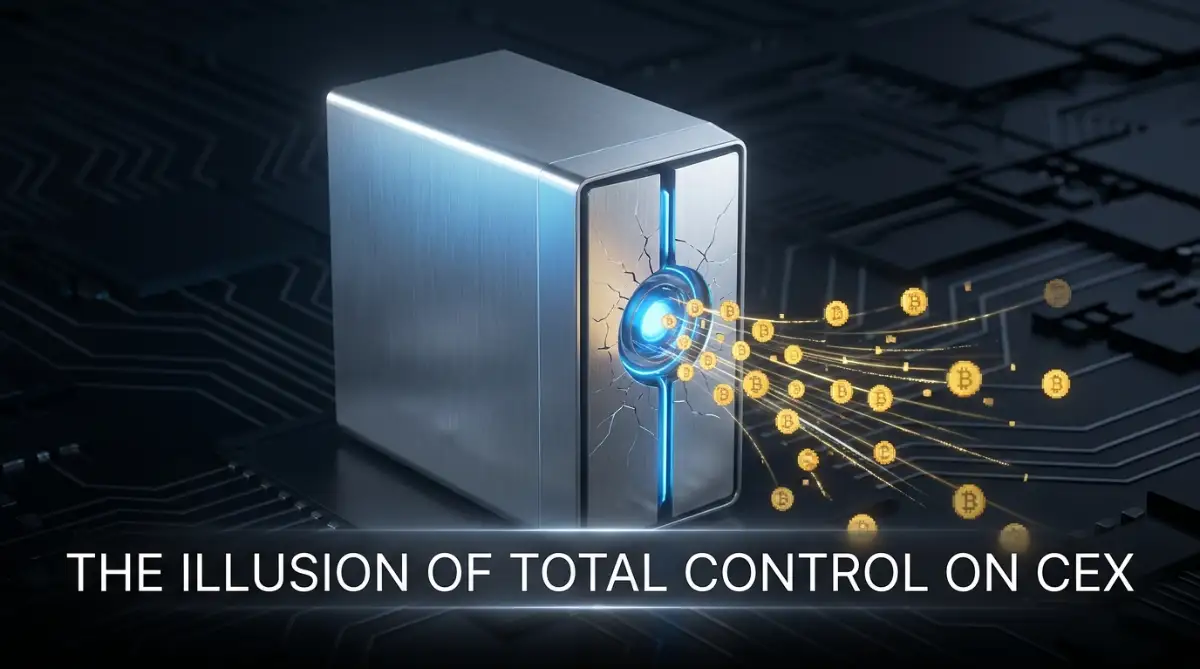
Breaking Down the Illusion of Total Control
When you log into your trading account and see your balance, you actually do not own any of those assets. You simply hold an IOU, a digital promise from the platform that they will give you your money when you ask for it. But if they face a massive security breach, that promise instantly becomes completely worthless.
Think of it like using a valet parking service at a very busy restaurant. You hand over the keys to your expensive car, and they give you a small paper ticket in return. If the valet company suddenly goes out of business or someone steals all the cars from their lot, your paper ticket cannot drive you home.
This exact same logic applies to central trading platforms. They hold the "master keys" to all the digital vaults, meaning they control the actual movement of the money. If a hacker manages to compromise their internal systems, they can drain billions of dollars before anyone even notices.
The core issue here is a massive single point of failure. Instead of every user protecting their own small vault, the platform pools everyone's money into giant, attractive targets for cybercriminals. Hackers do not need to target a million individual users; they just need to find one tiny crack in the main system.
Why Internal Threats Are Often Your Biggest Enemy
We often imagine hackers as mysterious figures in dark hoodies aggressively typing on keyboards to break through firewalls. However, some of the absolute worst security breaches come from the very people working inside the company. Internal fraud and mismanagement are massive threats that nobody likes to talk about.
Employees with high-level administrative access can sometimes act maliciously or make terrible mistakes. If a disgruntled database manager decides to walk away with private security keys, your money goes with them. You have absolutely no visibility into who is handling these master keys behind closed doors.
Even worse, company executives might secretly use customer funds to make highly risky bets in the market. When those bad bets fail, a massive financial hole is created in the company's balance sheet. When regular users finally try to withdraw their money, the platform suddenly halts all operations because the money is simply gone.
Myth vs Reality: The Platform Safety Guarantee
Many beginners fall into a very dangerous trap regarding platform insurance. Let's clear up some massive misunderstandings right now.
Myth: The platform says they have a massive insurance fund, so my money is perfectly safe no matter what happens.
Reality: Most platform insurance funds only cover a very small fraction of total user assets, and they usually only protect against specific external hacks. If the company goes bankrupt due to bad management, that insurance fund will not save you.
Myth: The app requires me to use two-factor authentication, so my account is totally hack-proof.
Reality: Two-factor authentication only protects the front door of your specific account. If the entire building (the platform's main server) gets blown up by a systemic hack, your secure front door means absolutely nothing.
The Danger of Comingled Funds
One of the most terrifying practices in this industry is the comingling of user assets with corporate funds. Imagine going to a bank, depositing your money, and the bank manager immediately mixes it into their own personal wallet. This makes it completely impossible to track exactly which dollar belongs to which person.
When platforms mix funds like this, they use your money to pay for their own operational expenses or risky investments. This creates a massive vulnerability because the platform is essentially operating on fractional reserves. If a negative news story breaks out, thousands of users might panic and try to withdraw their money on the same day.
Because the platform does not actually have all the money sitting quietly in a vault, they face a severe liquidity crisis. They are forced to lock the doors and pause all withdrawals to survive the panic. You are left stranded, completely unable to pay your bills or secure your future, entirely due to their reckless financial behavior.
Watch this breakdown to understand exactly how centralized platforms manage your hidden risks, and then continue reading below to learn how you can immediately spot the warning signs.
Recognizing the Early Red Flags
You do not need to be a brilliant computer scientist to see a disaster coming. There are very specific warning signs that almost always happen right before a major platform collapse. Paying close attention to these red flags can literally save your entire portfolio.
The first massive warning sign is sudden, unexplained changes to the withdrawal limits or fees. If a platform suddenly tells you that you can only withdraw a very small amount of money per week, they are likely struggling with internal cash flow. They are trying to trap your money inside the system to prevent a total collapse.
Another huge red flag is aggressive, unbelievably high yield promises. If a platform is offering you massive guaranteed returns just for leaving your assets on their app, you need to ask yourself where that extra money is coming from. Usually, they are secretly lending your money out to highly risky borrowers, exposing your funds to extreme danger.
My Personal Wake-Up Call
I want to share a quick realization I had a few months after my first terrifying experience with a locked account.
I was browsing an online forum and saw people complaining about an upcoming "scheduled maintenance" for a popular app. Instead of ignoring it like I usually did, I decided to move my funds to a personal, self-custody wallet just to be safe. That maintenance window ended up lasting for days, and when the app finally came back online, millions of dollars were missing. I learned right then that keeping my assets under my own control is the only way I can truly sleep peacefully at night.
Comparing Your Storage Options
To make this extremely clear, let's look at a simple comparison of where your assets actually live.
The Psychological Manipulation of Convenience
We leave our money on these platforms because they are incredibly convenient and easy to use. The apps are designed with beautiful colors, smooth animations, and gamified reward systems. They want you to feel so comfortable that you completely forget about the massive security vulnerabilities lurking in the background.
This convenience is a psychological trap designed to keep maximum liquidity on their platform. Every time you log in and see a seamless user interface, your brain releases dopamine, making you feel safe and wealthy. But this beautiful design is completely separated from the actual security architecture holding your funds.
You must train your mind to separate a nice user interface from actual financial security. A rusty, ugly metal safe in your own house is infinitely more secure than a beautiful glass bank vault that you are not allowed to open. Prioritizing extreme convenience over basic security is a mistake that costs regular people everything they have.
What Actually Happens During a Cyber Attack
When a major cyber attack hits a centralized platform, the chaos is immediate and devastating. The hackers usually target the "hot wallets," which are the main storage systems directly connected to the internet. Because these platforms process millions of transactions a minute, they are forced to keep large amounts of money online and exposed.
Once the attackers breach the security wall, they use automated scripts to drain the funds into untraceable offshore accounts. The platform's automated security systems might eventually detect the strange behavior, but by then, the damage is already done. The company is then forced to freeze the entire platform to manually investigate the crime scene.
During this investigation period, you will hear absolute silence from the company executives. They will post vague updates on social media asking for your patience, while their lawyers desperately try to figure out how to avoid going to prison. Meanwhile, you are left staring at a blank screen, wondering if you will ever see your hard-earned money again.
Taking Back Your Power
You do not have to accept this level of risk just to participate in modern digital investments. The original entire point of these new financial technologies was to remove the greedy middlemen and give power directly back to regular people. By leaving your assets on a centralized platform, you are completely defeating the purpose of decentralized technology.
Taking control of your own financial security might seem a little intimidating at first, but it is actually quite simple. It requires a slight shift in your daily habits and a willingness to learn a few basic rules. Once you take that step, nobody can ever freeze your account, deny your withdrawal, or gamble away your savings.
You hold the absolute power to secure your financial future today. Do not wait for a red warning banner to appear on your screen before you decide to take action. Make the conscious choice to protect your peace of mind and secure your digital wealth against these hidden industry traps.
Advanced Tactics to Bulletproof Your Financial Future
Taking your digital money off a centralized platform is the smartest financial decision you can make today. However, simply moving your funds is not enough to guarantee total safety. You need to understand how to build a personal digital fortress that absolutely nobody can break into.
The industry secret that major security experts use is called cold storage. This means your private keys, which are essentially the passwords to your money, never actually touch an internet connection. By keeping your keys offline, you completely eliminate the risk of remote cyber attacks.
Think of cold storage like burying a chest of gold in a secret location that only you know about. A hacker sitting in a basement halfway across the world cannot physically dig up your gold. They rely entirely on you making a digital mistake, which is exactly what we are going to prevent.
The Hardware Key Analogy
To achieve true cold storage, you need a dedicated hardware device. This small physical gadget looks very similar to a standard USB flash drive, but it serves a completely different purpose. Its only job is to sign transactions internally without ever exposing your private data to your computer or phone screen.
When you want to send money, you connect this physical device to your computer and manually press a button to approve the transfer. Even if your personal computer is heavily infected with horrible spyware, the hacker still cannot steal your money. They would physically need to break into your house, steal the device, and guess your personal PIN code.
Protecting the Master DNA of Your Wealth
When you first set up your personal storage, the system will give you a list of randomly generated words. This is known as your seed phrase, and it acts as the ultimate master key to your entire portfolio. If you ever lose your hardware device, you can use these exact words to restore your funds completely.
Because this phrase is so incredibly powerful, you must treat it with extreme caution. Writing these words on a piece of basic notebook paper is a disaster waiting to happen. Paper easily burns in a house fire, dissolves in a flood, or accidentally gets thrown into the trash during a deep cleaning weekend.
Instead of paper, professional investors stamp their master words into solid titanium or steel plates. This ensures your backup can easily survive extreme heat, water damage, and physical crushing. Securing these physical plates is just as important as understanding land boundary maps before you purchase property; you must establish clear, protected borders around your wealth.
The Power of Address Whitelisting
If you absolutely must use a centralized platform for active trading, there is a massive security setting you need to activate right now. Almost every legitimate exchange offers a feature called address whitelisting. This acts like a very strict bouncer at an exclusive nightclub.
When you turn on whitelisting, you are telling the platform to only allow withdrawals to specific storage addresses that you have personally pre-approved. If a hacker manages to guess your password and log into your account, they will try to send your money to their own secret wallet. However, the system will completely block the transfer because the hacker's address is not on your VIP list.
Adding a new address to this list usually triggers an automatic security delay of several days. This gives you plenty of time to notice the suspicious activity, lock down your account, and contact the authorities. It is a highly effective safety net that takes less than five minutes to configure.
Separation of Personal and Financial Emails
Most everyday investors use the exact same email address for everything in their life. They use it to sign up for social media, subscribe to newsletters, and register for financial trading platforms. This is a massive mistake because you are deeply connecting your financial life to your public internet profile.
When a random website gets hacked, your email address is often leaked to public databases. Cybercriminals will then blast that specific email with highly sophisticated scams, hoping you will click a dangerous link. To stop this completely, you should create a brand new, completely secret email address that you only use for your investments.
Nobody else should even know this specialized email address exists. If you receive an urgent message about your money on your normal, everyday email account, you instantly know it is a scam. Setting up independent systems is exactly why micro saas is changing the software industry today; isolated, highly focused tools always perform better than broad, messy ones.
Embracing the Multi-Signature Strategy
For those managing a significantly large amount of digital wealth, a standard setup might not feel secure enough. This is where you can explore advanced multi-signature storage arrangements. This concept requires multiple different keys to approve a single transaction, acting like a digital checks and balances system.
Imagine a massive bank vault that requires three separate managers to turn their keys at the exact same time to open the door. If one manager goes completely rogue, they still cannot open the vault alone. You can set up your personal storage to require approvals from multiple different devices hidden in different physical locations.
If someone breaks into your house and finds one of your devices, your money remains completely safe. The thief would need to travel across the country to find your second device just to process a single transfer. This level of extreme security gives you absolute peace of mind, knowing your assets are protected from localized physical threats.

The Fatal Traps That Destroy Portfolios
Even with the absolute best security tools in your hands, human error remains your biggest enemy. I have seen incredibly smart people lose massive amounts of money simply because they got lazy for just a few seconds. We need to actively discuss the silent traps that easily destroy financial futures.
One of the most devastating mistakes is taking a quick digital photograph of your master recovery words. People often think their phone camera roll is totally safe, or they upload the picture to a cloud storage drive for convenience. The moment those words exist in a digital image, your money is essentially floating openly on the internet.
Hackers constantly scan cloud storage accounts looking for images that look like recovery phrases. They use automated text-recognition software to instantly read your photo and steal your money before you even wake up. Never type your words into a phone, never take a picture, and never save them in a digital notes app.
The Illusion of Small Amounts
Another massive trap is the "it is just a little bit" mindset that everyday investors develop. You might move your main savings to safe offline storage, but leave a small percentage on the platform to play around with. Slowly, over a few months, that small percentage grows, and you delay moving it to safety because you feel perfectly fine.
Suddenly, the platform completely halts withdrawals without any prior warning. Just like the legal difference between a deed and a title, you realize that assuming you own something is very different from actually holding the rights to it. That "small amount" you left behind is completely gone, and the emotional regret is absolutely crushing.
According to comprehensive reports on digital theft from Chainalysis, centralized platforms remain the biggest target for sophisticated cybercriminals globally. Every single dollar you leave on those servers is actively carrying an invisible risk that you are not getting paid to take. Treat every digital penny with the exact same respect, regardless of the amount.
The Customer Support Phishing Scam
When the market is moving incredibly fast, people tend to panic and look for quick help. You might have a minor issue with a transfer and desperately search social media for official customer support. Almost instantly, a friendly-looking profile with a company logo will send you a direct message offering personal assistance.
These individuals are highly trained scammers who prey entirely on your sudden anxiety. They will act incredibly professional, ask you a few standard questions, and then send you a special link to "verify your identity." The moment you connect your private storage to their fake website, they completely drain everything you own.
Legitimate platform representatives will absolutely never ask for your private keys, nor will they send you random links on social media. Understanding these deceptive tactics is similar to understanding how legal agreements work; if someone asks you to break the fundamental rules, they are not operating in good faith. You must entirely ignore unexpected direct messages regarding your money.
The Danger of Skipping Test Transactions
Moving large amounts of digital money for the very first time feels incredibly terrifying. Your hands might literally shake as you copy and paste long strings of random letters and numbers. The worst mistake you can possibly make is sending your entire life savings in one single transaction without double-checking the destination.
A tiny piece of hidden malware on your computer can quietly alter the destination address right as you press the paste button. If you blindly hit confirm, your money instantly flies into a hacker's wallet instead of your own. Because digital transfers are completely irreversible, there is absolutely no manager you can call to cancel the payment.
To easily avoid this nightmare, you must force yourself to send a tiny test transaction first. Send a single dollar, completely wait for it to arrive, and visually confirm the money is sitting safely in your vault. Only after you physically see the test dollar arrive should you ever consider sending the rest of your wealth.
Overcomplicating the Process
While taking security seriously is great, some beginners completely overcomplicate their storage setup out of pure paranoia. They might split their recovery words into five different pieces, bury them in different forests, and encrypt them with confusing riddles. Fast forward a few months, and they completely forget their own complicated system.
Being locked out of your own wealth because you tried to be too clever is a very painful irony. You need a system that is incredibly tough for strangers to break, but very simple for your future self to access. Keep your physical backups secure in standard, reliable places like professional bank safe deposit boxes or high-quality home fire safes.
Always design your security plan assuming you might suffer a sudden memory loss. If your spouse or trusted family member needed to access the funds in an extreme medical emergency, could they figure out your system? If the answer is no, your setup is way too complicated and requires immediate simplification.
Your Blueprint for Ultimate Financial Peace
Protecting your investments is no longer about blindly trusting giant corporations to do the right thing. The real power comes from entirely removing the greedy middlemen and taking full responsibility for your own financial destiny. This transition might feel a bit uncomfortable today, but it is the absolute greatest gift you can give your future self.
Start by treating your digital wealth with the same extreme caution you would use for heavy bars of physical gold. You would never leave real gold sitting on a public park bench, hoping the city security guards watch over it. You would immediately lock it inside a private vault where you alone control the heavy steel door.
Every single security measure you implement today instantly reduces your daily stress and mental anxiety. You no longer have to frantically check the news to see if your favorite exchange is facing sudden bankruptcy. You are completely immune to corporate mismanagement, sudden regulatory freezes, and massive internal platform hacks.
Building wealth requires patience, but keeping that wealth requires discipline and a strong protective mindset. Proper risk assessment is exactly like how appraisers calculate true home value; you must look at the hidden structural details, not just the beautiful paint on the outside. True financial freedom is completely impossible if someone else has the legal right to pause your account.
If you are looking for official standards on securing digital environments, reviewing the guidelines provided by the National Institute of Standards and Technology (NIST) is incredibly helpful. Additionally, educating yourself on modern phishing threats through resources like Kaspersky's digital threat reports will keep your mind incredibly sharp against new scams. Knowledge is your absolute best defense mechanism against an industry filled with empty promises.
I know how incredibly overwhelming this entire process feels at the very beginning because I was once paralyzed by the exact same fears. My biggest realization was that stepping into personal ownership gave me a deep sense of confidence I never knew existed. I highly encourage you to take that first bold step today, secure your assets, and completely take back control of your amazing financial journey.
Important Questions Everyday Investors Ask
Is it completely safe to leave small amounts of money on an exchange for daily trading?
Leaving small amounts is generally risky, but sometimes necessary for active, daily market moves. You should only leave the exact amount of money you are completely willing to lose if the platform suddenly shuts down forever.
What exactly happens to my digital assets if my hardware storage device physically breaks?
Your money does not actually live inside the physical device itself; it lives openly on the digital network. If your gadget breaks, you simply buy a brand new one and type in your original physical master phrase to instantly recover everything.
How do I know if an email from my trading platform is actually a dangerous scam?
Legitimate platforms will absolutely never ask for your passwords, master phrases, or demand sudden urgent payments. If an email creates a deep sense of panic or threatens to delete your account, it is almost certainly a dangerous phishing attempt.
Can a centralized exchange legally refuse to let me withdraw my own funds?
Yes, you actually agree to this specific risk hidden deep within the platform's lengthy terms of service. If they suspect unusual activity, face a massive liquidity crisis, or get a government order, they can legally freeze your money indefinitely.
Do I need advanced computer skills to set up personal cold storage successfully?
Absolutely not. Modern hardware devices are specifically designed with incredibly simple, beginner-friendly interfaces that guide you through every single step automatically.
Disclaimer: The information provided in this article is for purely educational and informational purposes only and does not constitute formal financial, legal, or investment advice. Digital assets carry a remarkably high level of risk, and security protocols require careful personal execution. Always conduct your own thorough research or consult with a certified financial professional before making any major investment or security decisions.


