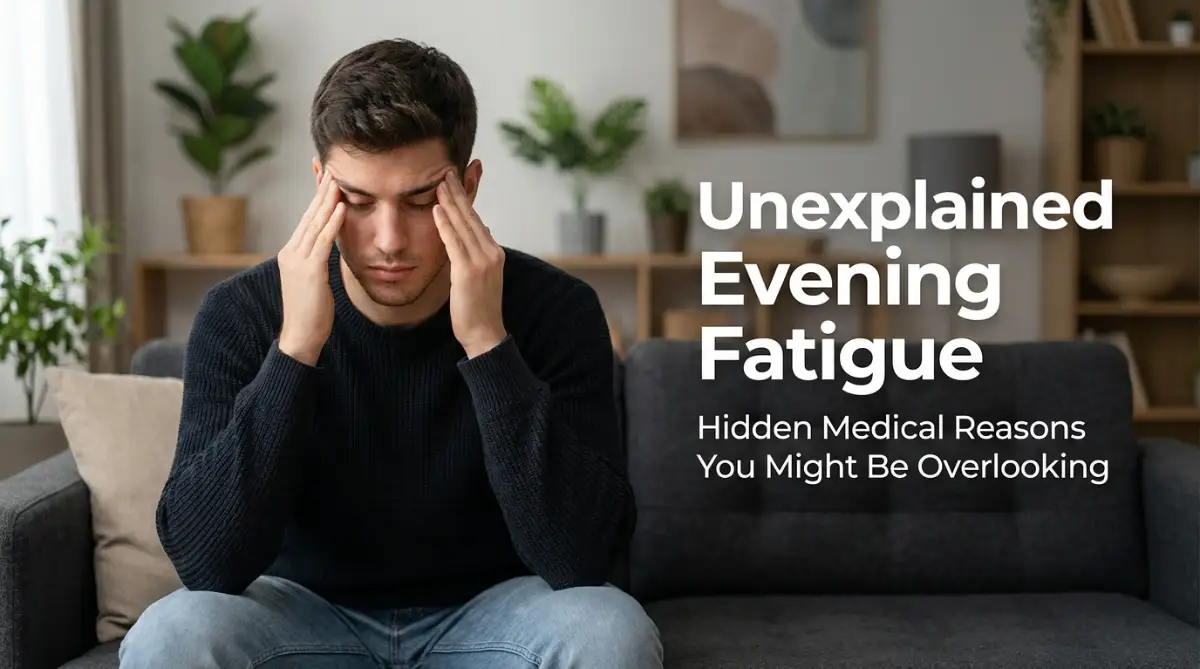
The Silent Thief: How My Nights Became a Battleground
"If you wake up feeling like you haven't slept at all, you’re not alone. I’ve spent way too many mornings feeling like a walking ghost, wondering why my brain wouldn't wake up even after three cups of coffee. Most people think loud snoring is just an annoying habit, but it’s actually a sign that your body is fighting for air while you sleep. I’m going to share what I learned about why this happens and the simple, real steps you can take to finally get your energy back."
The heavy exhaustion was completely overwhelming. I would sit at my office desk staring blankly at the computer screen, struggling to keep my eyes open. My brain felt like it was wrapped in thick cotton, making it nearly impossible to process simple information or remember basic tasks.
You start losing your temper over tiny, meaningless things at home and at work. The constant lack of proper rest makes you highly irritable, slowly pushing away the people you love the most. Your mental peace completely disappears, replaced by a constant cloud of anxiety and frustration.
Then comes the hidden physical toll that you do not see in the mirror. I started gaining weight without changing my daily diet, and my blood pressure numbers kept climbing higher at every doctor visit. My doctor looked at my chart, looked at the dark circles under my eyes, and asked one simple question about how I was sleeping.
That is exactly when the heavy reality hit me hard. Untreated breathing problems at night do not just make you feel sleepy during the day. They act as silent destroyers, quietly damaging your major organs while you mistakenly think you are getting rest.
[Key Takeaways Content]:
"### 🛑 Stop the Damage: 3 Things You Can Do Tonight
If you're feeling exhausted right now, don't wait for a doctor's appointment to start making changes. Here’s how I started reclaiming my energy:
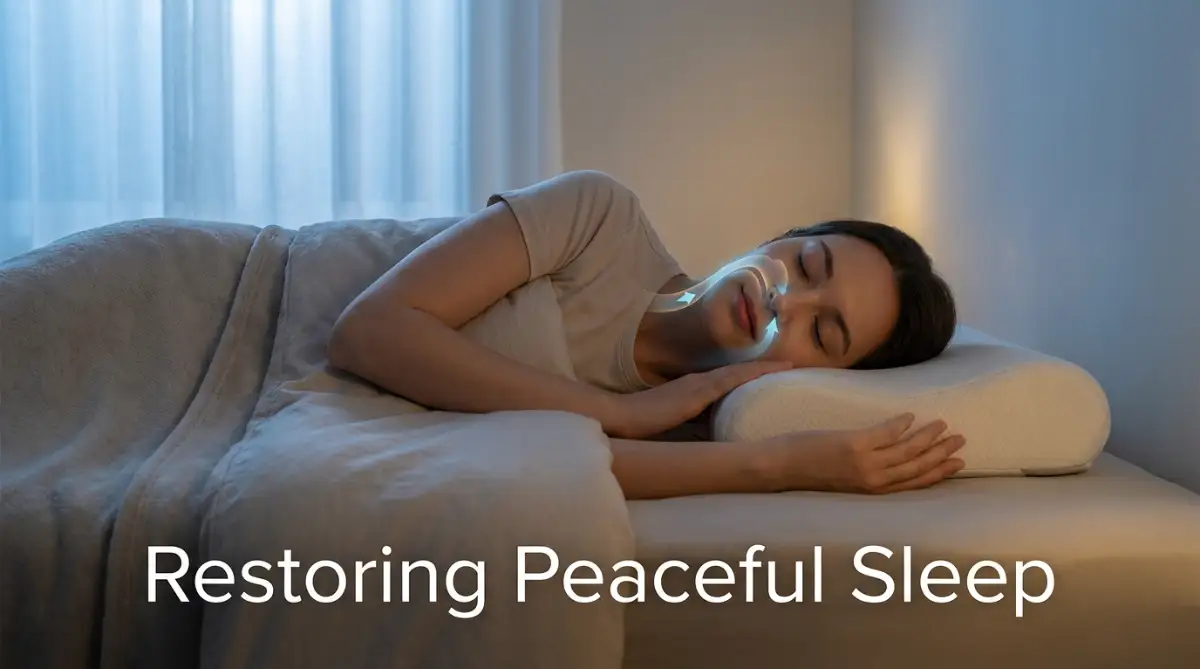
- Flip to Your Side: If you sleep on your back, gravity is your enemy. Prop yourself up with pillows or use a 'side-sleeper' backpack to keep your airway open.
- Clear the Nose: Use a simple saline spray or nasal strips. If your nose is blocked, you'll naturally breathe through your mouth, which makes snoring much worse.
- The 'Digital Dust' Rule: Turn off your phone and dim the lights 60 minutes before bed. A calm brain handles breathing transitions much better than a stressed one."
Beyond the Snoring: What Actually Happens Inside Your Body
To truly fix a problem, you have to understand how it operates behind closed doors. When you have this specific breathing condition, the muscles in the back of your throat relax too much while you sleep. This relaxation causes your airway to narrow or close completely as you breathe in.
Think of it like a garden hose. If you step on the hose, the water stops flowing. In your body, when the airway collapses, the oxygen stops flowing to your lungs and brain.
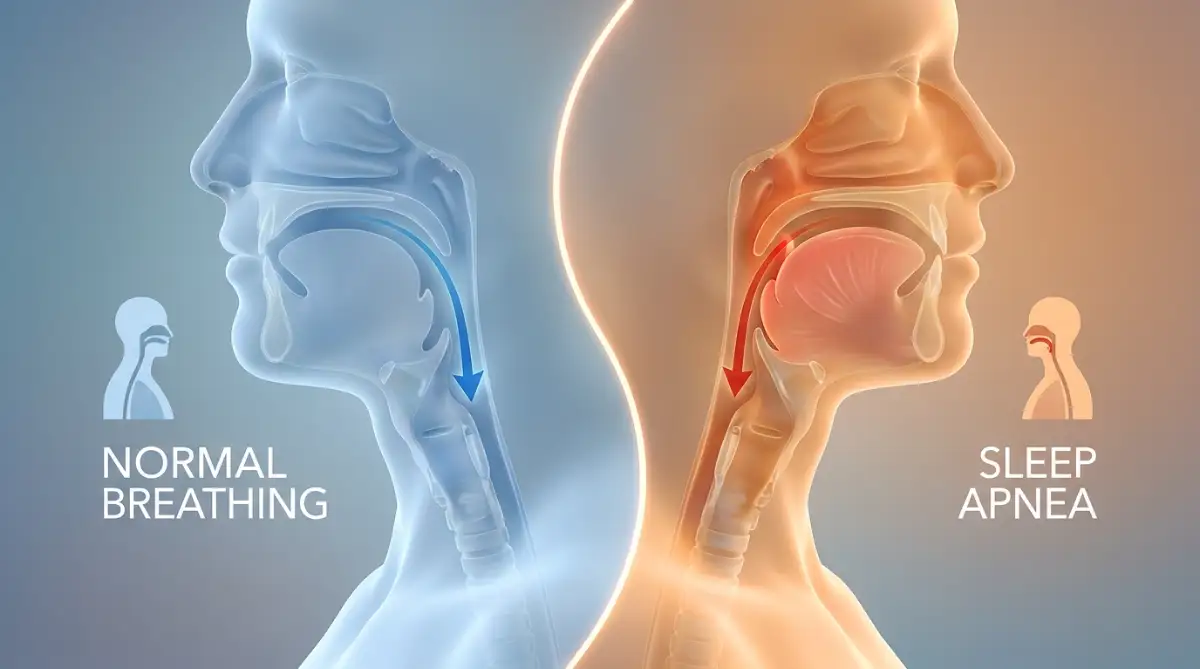
Your brain senses this dangerous drop in oxygen and instantly triggers a survival response. It briefly wakes you up so you can reopen your airway, usually with a loud snort or choking sound. This terrifying cycle can repeat itself dozens, sometimes hundreds of times every single night.
Because your brain is constantly waking you up to save your life, you never reach the deep, restorative stages of sleep. Your body spends the entire night in a state of high stress and panic. This is exactly why you can sleep for nine hours and still wake up feeling like you ran a marathon.
The Hidden Damage to Your Cardiovascular System
Your heart takes the heaviest beating when your breathing stops at night. Every time your oxygen levels drop, your brain releases a massive wave of stress hormones like adrenaline. These stress hormones cause your blood vessels to tighten, which makes your blood pressure spike dangerously high.
If this happens night after night, your blood pressure stays high even during the day when you are awake. This condition is a leading cause of treatment-resistant high blood pressure in middle-aged adults.
Over time, this intense strain weakens the heart muscle significantly. It increases your risk of irregular heartbeats, heart attacks, and even strokes. It is completely unfair to expect your heart to function perfectly when it is being starved of oxygen every single night.
Brain Fog, Memory Loss, and Mood Changes
Your brain uses deep sleep to clean out toxins, organize memories, and repair cells. When your breathing interruptions constantly pull you out of deep sleep, your brain never gets the chance to do its nightly maintenance. This leads to severe cognitive issues that many people mistakenly blame on simply getting older.
You might find yourself forgetting where you put your keys or struggling to find the right words during a conversation. This brain fog is a direct result of oxygen deprivation and sleep fragmentation.
Your emotional regulation also takes a massive hit. Without proper rest, the emotional centers of your brain become highly reactive. This is why you feel depressed, easily angered, or overwhelmingly anxious for no apparent reason.
Metabolic Chaos and Unexpected Weight Gain
There is a very strong, scientifically proven link between poor breathing at night and unexpected weight gain. When you are constantly exhausted, your body produces more ghrelin, which is the hormone that makes you feel hungry. At the same time, it produces less leptin, the hormone that tells your brain you are full.
This hormonal imbalance creates intense cravings for sugary, high-carbohydrate foods. Your body is desperately looking for quick energy to fight off the extreme fatigue.
On top of the cravings, your metabolism actually slows down because your body is stressed. It becomes incredibly difficult to lose weight, and carrying extra weight around your neck actually makes the breathing problem much worse, creating a vicious, unbreakable cycle.
Is it just a bad habit, or is it a medical condition? Watch this quick breakdown to understand the true impact of interrupted breathing on your daily life.
Recognizing the Red Flags Before It Gets Worse
[New Content Block 1]:
Quick Self-Check: Is Your Sleep Actually Healing You?
Ask yourself these 4 questions. If you say 'Yes' to more than two, it's time to take your breathing seriously:
- The Fog Test: Do you feel a heavy 'brain fog' that only lifts after noon?
- The Water Test: Do you wake up needing a glass of water immediately because your throat is bone-dry?
- The Mood Test: Are you snapping at family members over things that didn't used to bother you?
- The Nap Test: If you sat in a quiet room at 2 PM, would you fall asleep within 5 minutes?
Many people live with this condition for years without ever realizing they have a serious medical problem. Because the main events happen while you are unconscious, you have to look for the warning signs during your waking hours.
Waking up with a dry mouth or a sore throat is a massive red flag. This happens because you are sleeping with your mouth wide open, desperately trying to pull in more air.
Morning headaches are another very common symptom. When you stop breathing, carbon dioxide builds up in your bloodstream. This excess carbon dioxide causes the blood vessels in your brain to expand, leaving you with a throbbing headache that usually fades after a few hours of being awake.
The Difference Between Regular Snoring and Sleep Apnea
Not everyone who snores has a dangerous breathing condition, but almost everyone with this condition snores loudly. It is important to know the difference between the two.
If your partner tells you that you stop breathing, or if you ever wake yourself up with a loud gasp, you need to take action immediately. Do not ignore these scary moments.
Practical Strategies to Take Back Your Sleep
Fixing this problem is entirely possible, and the relief you feel once you get proper oxygen at night is life-changing. There are several highly effective steps you can take starting today to protect your health and regain your energy.
Exploring Positional Therapy
The way you position your body in bed plays a massive role in how well you breathe. Sleeping flat on your back is the absolute worst position if you have a collapsing airway. Gravity pulls your tongue and the soft tissues in your throat backward, completely blocking the air passage.
Training yourself to sleep on your side can make a huge difference. You can use long body pillows to keep yourself from rolling onto your back during the night.
Some people even use a simple home trick of placing a tennis ball in a sock and pinning it to the back of their pajama shirt. If you try to roll onto your back, the discomfort of the ball forces you back onto your side without fully waking you up.
I remember spending hundreds of dollars on fancy pillows thinking they would instantly cure my snoring and tiredness. My biggest mistake was ignoring the actual medical issue and looking for a quick fix on the internet. Once I finally did a proper sleep study and understood my body, my entire perspective changed, and I saved so much money and time.
The Importance of Professional Diagnosis
You cannot effectively treat an enemy you have not properly identified. The gold standard for figuring out exactly what is happening while you sleep is a professional sleep study.
In the past, this meant spending the night in a strange hospital bed covered in dozens of wires. Today, the technology has advanced significantly. Many doctors now offer simple, highly effective at-home sleep tests.
You take a small device home, strap a monitor to your chest, put a small clip on your finger, and sleep in your own bed. The device records your oxygen drops, heart rate, and breathing effort throughout the night. The data gives your doctor a clear, undeniable picture of your health.
Medical Devices and Modern Interventions
If you are diagnosed with this condition, the most common and effective treatment is a Continuous Positive Airway Pressure machine. This device uses a gentle, steady stream of air to keep your throat open while you sleep.

Think of the air stream as an invisible splint holding your airway open. The modern machines are completely silent, small enough to travel with, and come with incredibly comfortable, soft masks.
Many people are initially afraid of wearing a mask to bed. But the very first morning you wake up with a completely clear head, full of energy, and no headache, that fear disappears completely.
For people with mild to moderate issues who cannot tolerate a machine, dental appliances are a fantastic alternative. A specialized dentist can create a custom mouthpiece that gently moves your lower jaw forward. This small shift creates more space in the back of your throat, preventing the airway from collapsing.
Lifestyle Adjustments for Long-Term Success
While medical devices provide immediate relief, changing a few daily habits can significantly improve your baseline health. Managing your weight is often the most powerful long-term strategy.
Losing even ten percent of your body weight can dramatically reduce the amount of fatty tissue in your neck. This directly reduces the pressure on your airway.
Alcohol consumption heavily impacts your nighttime breathing. Alcohol is a muscle relaxant. If you drink a glass of wine or beer right before bed, the muscles in your throat relax much more than normal. This makes an airway collapse highly likely, even in people who do not normally snore.
[New Content Block 2]:
The "Better Sleep" Drink Guide
| What to Drink | When to Stop | Why? |
| :--- | :--- | :--- |
| Coffee/Caffeine | 2:00 PM | It stays in your system for 8+ hours and keeps your brain too 'loud' to rest. |
| Alcohol | 4 Hours Before Bed | It relaxes your throat muscles too much, making your airway collapse. |
| Heavy Water Intake | 1 Hour Before Bed | To prevent waking up for bathroom trips, which breaks your deep sleep cycle. |
It is highly recommended to stop drinking any alcohol at least three to four hours before you go to sleep. Giving your body time to process the alcohol ensures your airway muscles maintain their normal tone.
The same rule applies to heavy, late-night meals. Eating a large meal right before bed can cause acid reflux. The acid travels up your throat, causing inflammation and swelling, which makes it even harder to breathe smoothly.
Addressing this silent problem takes courage and consistency. But protecting your heart, saving your brain from early decline, and waking up with actual energy is worth every single effort. You deserve to live a life where sleep actually heals you, rather than harms you.
Next-Level Strategies for Lasting Rest and Recovery
Finding out you have a nighttime breathing problem is only the very first step of your journey. The real magic happens when you figure out how to manage this condition consistently every single night. I learned the hard way that just owning a medical device or a special pillow is never enough. You have to actively build a daily routine that supports your complete physical recovery.
One of the biggest secrets I discovered is treating my sleep environment like a sacred space. You cannot expect your body to relax in a room that is hot, noisy, or filled with glowing screens. Lowering the temperature in your bedroom to around 65 degrees Fahrenheit signals to your brain that it is time to shut down.
When you start using a breathing device, the first few weeks can feel incredibly frustrating. You might wake up in the middle of the night and find that you have ripped the mask off your face in your sleep. This is a completely normal reaction because your brain is simply not used to having something touching your face.
The best trick I ever learned was to wear my mask while watching television or reading a book in the evening. By wearing it while you are fully awake and distracted, your brain stops seeing the mask as a threat. Over time, it just becomes a normal, comforting signal that it is time to rest.
Tracking Your Hidden Health Metrics
We live in an amazing time where we have access to incredible health data right on our smartphones. Most modern breathing machines come with a connected mobile app that tracks exactly how you sleep. Checking this data every morning became my favorite new habit.
When you look at your morning score, you can see exactly how many times your breathing was interrupted. Watching that number drop from thirty times an hour down to zero is incredibly motivating. It proves that the effort you are putting in is actually working to protect your brain and your heart.
If you are dealing with extreme exhaustion, tracking your sleep data can also help you understand the hidden medical reasons behind evening fatigue. Sometimes, we blame our busy work schedule for our low energy, when the real culprit is a lack of oxygen the night before. By monitoring your progress, you take total control over your daily energy levels.
Redefining Your Relationship with Food and Sleep
What you put into your body during the day directly impacts how well your throat muscles perform at night. Eating heavy, processed foods causes systemic inflammation, which makes your airway tissues swell up. When I cleaned up my diet, my nighttime breathing improved almost immediately.
Many people are terrified of changing their diet because they think they have to eat boring salads forever. But educating yourself on nutrition changes everything. Once I learned what actually causes heart disease, I stopped being afraid of healthy, whole foods.
For instance, learning about the benefits of eating good fats helped me stay full and satisfied without reaching for late-night sugary snacks. When you stop eating huge meals right before bed, your digestive system gets to rest. This completely prevents acid reflux from traveling up your throat and irritating your airway while you sleep.
It is also incredibly helpful to read up on proper sleep hygiene practices from trusted medical institutions. Creating a hard cut-off time for caffeine and heavy meals is a game-changer for your respiratory health.

The Dangerous Pitfalls That Will Ruin Your Progress
When you are desperate for a good night of rest, it is incredibly easy to make poor decisions. I made plenty of mistakes early on because I just wanted a quick, effortless fix. Unfortunately, looking for shortcuts with a serious medical condition can put your life at risk.
The Sedative Trap: Why Sleeping Pills Backfire
When you toss and turn all night, reaching for an over-the-counter sleeping pill feels like an easy solution. This is actually one of the most dangerous things you can possibly do if you have airway issues.
Sleeping pills and heavy sedatives work by forcibly relaxing your entire central nervous system. This means the muscles in the back of your throat become even looser and more prone to collapsing.
Instead of waking up slightly to reopen your airway, the sleeping pill keeps you deeply unconscious. This leads to extremely dangerous drops in your blood oxygen levels. The National Institutes of Health strongly advises against sedatives when treating sleep disorders effectively because it masks the real problem while causing silent damage to your organs.
The "Weekend Warrior" Mentality
Another huge mistake is treating your therapy like a part-time job. I used to pack my bags for a weekend camping trip or a short business trip and leave my breathing machine at home. I convinced myself that a few days without it would not hurt me.
I could not have been more wrong. Within just one night of sleeping without my equipment, my blood pressure spiked and the heavy brain fog returned instantly. Your body does not take a vacation from its medical needs just because you are staying at a hotel.
Consistency is the only way to heal your cardiovascular system. Make it a strict personal rule to never sleep without your proper equipment or mouth appliance, no matter where you are.
Sacrificing Health for Productivity
Many high-achieving adults try to simply power through their exhaustion using massive amounts of caffeine. They convince themselves that they do not have the time to deal with doctor appointments or sleep studies.
But if you are completely exhausted, how can you possibly perform at your highest level? I learned that whether you are managing a team or growing a profitable business, your physical energy is your most valuable asset.
Ignoring a severe lack of oxygen at night will eventually force you to stop working altogether due to a heart attack or stroke. Prioritizing your nighttime breathing is not a waste of time; it is the ultimate investment in your career and your family life. Taking the time for protecting your cardiovascular system ensures you are actually around to enjoy the success you work so hard for.
A Clear Path to Reclaiming Your Energy
You do not have to accept chronic fatigue and loud snoring as a normal part of getting older. Your body is incredibly resilient, and it wants to heal itself if you just give it the right tools. When you finally address your nighttime breathing, the transformation is truly remarkable.
Think about how much time we spend organizing our daily lives to make things easier. Just like you might use software for automating your service appointments to reduce daily stress, you need to automate your bedtime habits.
Set a strict alarm for when you need to start winding down. Put your phone in another room, lower the lights, and make sure your sleep environment is prepared. Building these small, automatic habits removes the daily friction of getting ready for bed.
Reaping the Rewards of Proper Oxygenation
Once you start getting a steady flow of oxygen throughout the night, everything in your life shifts. The heavy, dark cloud of brain fog lifts, and your memory becomes sharp and reliable again. You will find that you have the patience to handle stressful situations at work without losing your temper.
The physical changes are just as exciting. With your stress hormones finally balanced, it becomes much easier to maintain a healthy weight. Your blood pressure numbers will naturally begin to drop, greatly reducing the dangerous strain on your heart muscle. Research shows a direct connection between oxygen loss and memory, meaning treating this condition protects your cognitive health for the future.
Do not let fear or embarrassment stop you from getting tested. Discussing a snoring problem with a doctor is a perfectly normal, responsible adult action.
Your future self will thank you for being brave enough to fix this today. I know exactly how scary and overwhelming this process can feel in the beginning. But let me promise you, waking up feeling genuinely rested and full of life is worth every single step of this journey.
Common Questions About Breathing Disturbances at Night
Can this condition ever go away completely on its own?
In most cases, it does not simply disappear without active intervention and lifestyle changes. However, if your airway blockage is caused entirely by excess body weight, significant weight loss can sometimes cure the condition. For others, it remains a long-term issue that simply needs to be managed consistently.
Will a custom mouthpiece work just as well as a breathing machine?
For mild to moderate breathing interruptions, a specialized dental appliance can be incredibly effective. It works by gently holding your lower jaw forward to keep the airway open. However, for severe cases where oxygen levels drop dangerously low, a machine providing continuous air pressure is usually the safest medical recommendation.
Why does my partner notice my breathing issues but I do not?
When you stop breathing, your brain only wakes you up just enough to take a quick, desperate breath. This micro-awakening is so short that your conscious memory never records it. Your partner, who is fully awake and listening to you struggle for air, experiences the entire scary event while you remain completely unaware.
Is it safe to take over-the-counter sleep aids to help me rest better?
Taking sleep aids or sedatives is highly dangerous if you have untreated airway issues. These medications relax the muscles in your throat even further, making it much easier for your airway to collapse completely. You should never take any form of sleep medication without getting clearance from a doctor who knows your specific breathing history.
Does sleeping in a recliner chair actually help?
Sleeping propped up at an angle can sometimes prevent gravity from pulling your tongue backward into your throat. Many people find temporary relief sleeping in a recliner when they have a bad cold or severe congestion. While it can offer a slight improvement, it is not a permanent or safe medical replacement for proper, professional treatment.
Medical Disclaimer: The information provided in this article is for educational and informational purposes only and does not constitute medical advice. I am sharing my personal experiences and general knowledge. Always consult with a qualified healthcare provider or doctor before making any changes to your medical treatment, diet, or sleep routines.
59.1s