The Silent Dread of the Dropping Battery Percentage
I will never forget the panic of seeing my electric car's battery drop to 15 miles on a freezing, pitch-black highway. My kids were fast asleep in the back, my hands were sweating on the steering wheel, and I swore I would never take a road trip again. But after that nightmare, I figured out a handful of super simple driving tricks that completely changed the game for me. Let me show you exactly how to beat range anxiety for good, so you can finally relax and enjoy your ride.
Your heart immediately skips a beat. The quiet, peaceful cabin suddenly feels like a high-pressure zone. You turn off the air conditioning, hoping to buy just a few extra miles of driving distance.
Your hands grip the steering wheel tightly as you start doing frantic mental math. Will we actually make it? What happens if we get stranded on the side of the highway in the middle of nowhere?
I still remember my very first family road trip in my new electric car, driving down a pitch-black highway with my kids asleep in the back. When the battery icon suddenly flashed red with only 20 miles left and no charger in sight, my stomach tied into absolute knots. I ended up turning off the heat in the middle of winter, gripping the steering wheel in pure panic, and thinking I had made a huge mistake buying the car. That terrifying night forced me to figure out exactly how to master my battery life so I would never have to feel that way again.
This terrifying scenario is exactly what we call range anxiety. For many new drivers, the excitement of buying an electric car is quickly shadowed by the constant fear of running out of power. It can completely ruin family vacations and turn relaxing weekend getaways into stressful mathematical puzzles.
We buy electric cars to enjoy a smooth, quiet, and eco-friendly ride. Nobody wants to spend their entire trip staring nervously at a battery indicator. The worry about finding the next working charging station can drain your mental energy much faster than the car drains its actual battery.
Getting stuck on the highway is not just scary; it is a serious legal and safety hazard. If your car loses power and blocks a live lane of traffic, you could face heavy fines or traffic citations from highway patrol. In some areas, causing an accident because you ran out of charge can even lead to negligence claims against your auto insurance.
But what if you could take back total control of your dashboard? What if you knew the exact scientific methods to stretch those miles and drive with absolute confidence? You do not have to let range anxiety dictate your travel plans anymore.
The EV Range Survival Guide: What You Need to Know
- Master the one-pedal drive: Taking your foot off the gas early feeds free power right back into your battery.
- Pre-heat while plugged in: Warm up your car cabin in the driveway using your house power, not your precious battery juice.
- Ditch the roof box: Strapping things to your roof kills your aerodynamics and drains your battery fast. Put it in the trunk!
- Stop waiting for 100%: Fast chargers slow way down after 80%. Unplug at 80% and do multiple short stops to cut your travel time in half.
Science-Backed Tactics to Squeeze Every Mile from Your Battery
If you want to stop stressing over charging stations, you need to change how you think about your car. Driving an electric vehicle is completely different from driving a traditional gas-powered car.
To maximize your electric vehicle range, we have to look at the simple physics of how your car uses energy. We will walk through highly effective, everyday strategies you can apply right now to push your battery further.
Redefining How You Use the Brake Pedal
Most drivers moving from gas cars to electric cars use the brake pedal exactly the same way they always have. You see a red light, you press the brake, and the car stops. But in the electric vehicle world, this traditional habit is throwing away free energy.
Electric cars come with a brilliant feature called regenerative braking. When you lift your foot off the accelerator, the car's electric motor suddenly runs in reverse. Instead of using energy to push the car forward, the motor acts like a giant generator.
This process captures the forward motion of your car and turns it right back into electricity. That electricity is then fed straight into your battery, adding precious miles back to your total range. It is essentially free power just for slowing down.

Pro Tip for Highway Exits: When you see your highway exit approaching, do not wait until the last second to slam on the mechanical brakes. Take your foot off the accelerator early and let the car slow itself down. You will harvest a massive amount of energy that would otherwise be wasted as brake dust and heat.
Many modern cars offer a "one-pedal driving" mode. I highly recommend turning this feature on and setting it to the maximum level. It might feel a little strange for the first few days, but it is the absolute best way to keep your battery topped up in stop-and-go traffic.
The Invisible Wall of Wind Resistance
Have you ever tried to run through a swimming pool where the water reaches your waist? The faster you try to move your legs, the harder the water pushes back against you. This is exactly what happens to your car when you drive at high speeds.
Instead of water, your car is pushing through an ocean of air. We call this aerodynamic drag. In a gas car, you barely notice this drag because the engine just burns a little extra fuel to push through. But in an electric vehicle, aerodynamic drag is the number one enemy of your battery life.
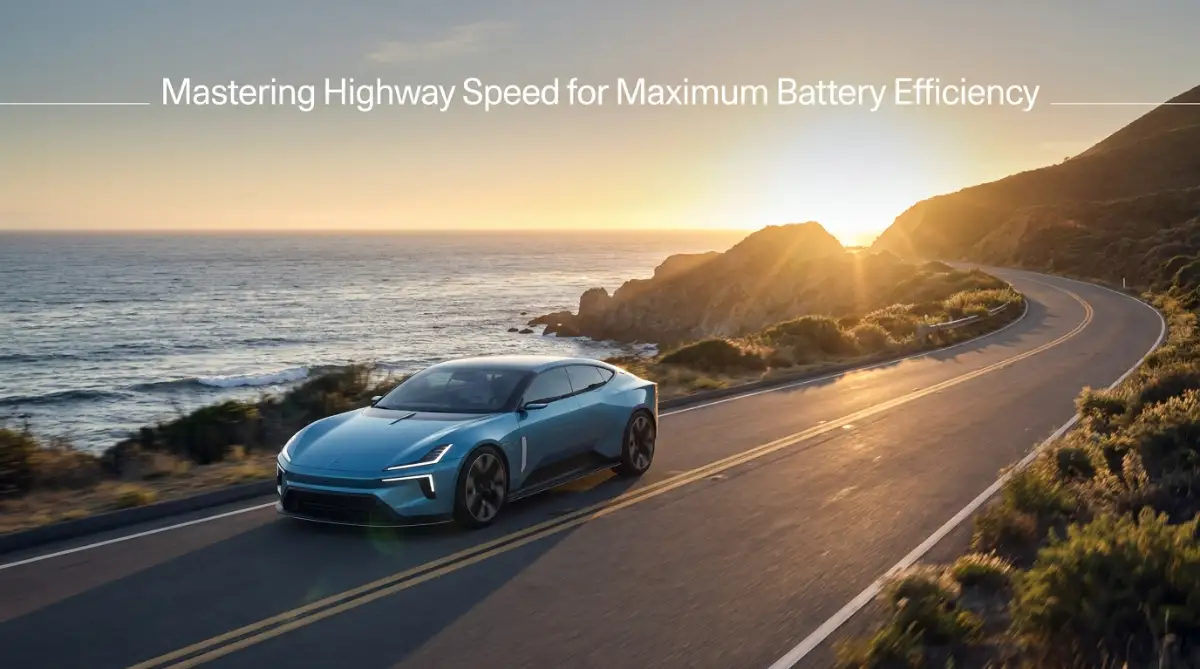
When you drive at 75 miles per hour, your car requires exponentially more energy to push the air out of the way than it does at 65 miles per hour. That extra 10 miles per hour might get you to your destination five minutes faster, but it could cost you up to 20% of your total range.
Myth vs Reality: The AC and Window Debate
The Myth: Rolling down the windows on the highway is always better than using the air conditioning.
The Reality: This is completely false at highway speeds. Opening your windows creates a massive amount of wind drag, turning your sleek car into a giant parachute.
If you are driving over 50 miles per hour, keep the windows tightly rolled up. The energy your car wastes fighting the open-window wind drag is actually much higher than the energy your air conditioner uses.
If you are still a little confused about how regenerative braking actually works in the real world, you have to check out this quick video demonstration. Watch the clip below to see exactly how one-pedal driving can magically add free miles back to your dashboard before you read the rest of the guide!
Smart Cabin Climate Management
Heating and cooling the inside of your car takes a massive toll on your battery pack. Unlike a gas engine that generates free heat as a byproduct of burning fuel, your electric car has to use battery juice to create warmth.
If you blast the heater on a cold morning road trip, you can watch your range drop like a rock. The heating element acts like a giant toaster, pulling huge amounts of electricity just to blow warm air at your face.
Instead of trying to heat the entire volume of air inside the cabin, focus on heating the passengers directly. Seat heaters and heated steering wheels use only a tiny fraction of the energy that the main cabin heater uses. If you rely on your seat warmers and set the main cabin temperature a few degrees lower, you will stay perfectly comfortable. More importantly, you will save a huge chunk of your battery capacity for actual driving.
Pre-Conditioning: The "Full Stomach" Analogy
Think about going for a very long hike. You would naturally eat a big, healthy breakfast at home before you start walking. You would not want to start your hike hungry and eat your first meal out of your limited backpack supplies.
Your electric vehicle works the exact same way. If you wake up on a cold morning and immediately start driving, your car will pull heavy energy from the battery to warm up the cabin and the battery pack itself.
To avoid this, always use the pre-conditioning feature while your car is still plugged into the charger at home or at the hotel. You can use your smartphone app to tell the car to warm up the cabin 20 minutes before you leave.
Because the car is still plugged into the wall, it uses electricity from the power grid to heat up, rather than draining your battery. When you finally unplug and hit the road, your cabin is already comfortable, and your battery is 100% full and ready to go.
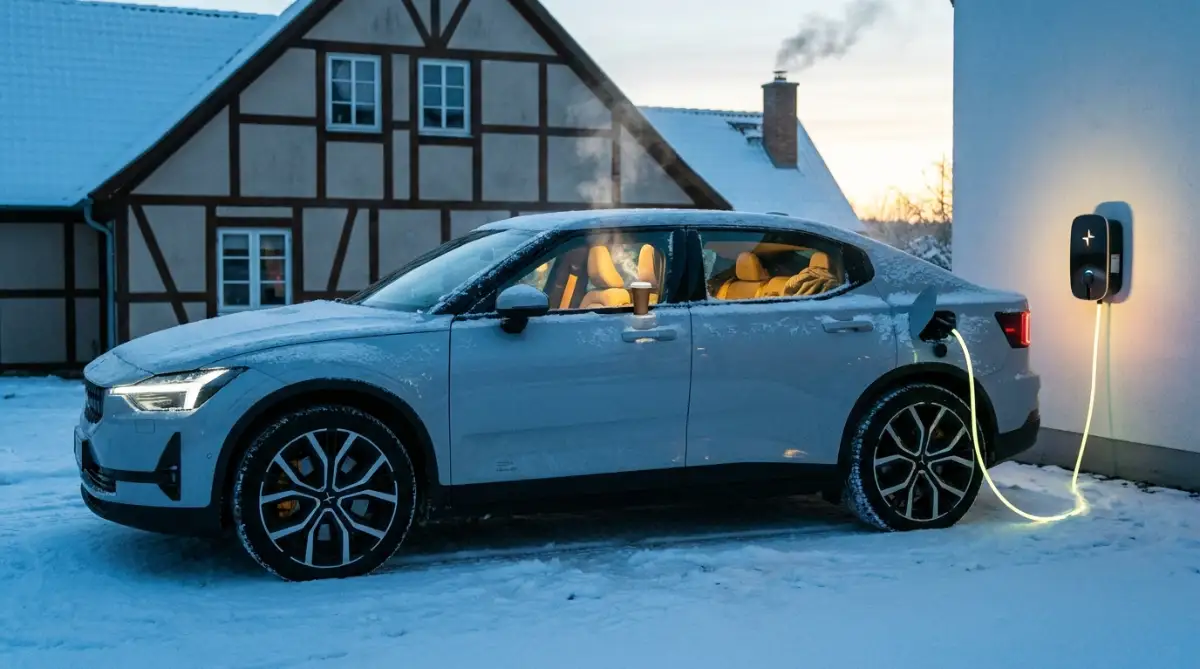
My biggest rookie mistake was blasting the main cabin heater on a freezing morning trip, which instantly killed almost 20% of my range before I even hit the highway. I finally realized that turning on just my seat warmer and using the pre-conditioning feature while the car was still connected to my garage wall saved me massive amounts of battery juice. It is a super simple habit, but it completely changed how far I could drive in the winter.
Tire Health and the Physics of Rolling
Tires are the only part of your vehicle that actually touches the road. If your tires are not in perfect condition, you are throwing away your driving range with every single rotation.
When your tires are under-inflated, they become soft and squishy. Imagine trying to ride a bicycle with flat tires. You have to pedal twice as hard just to move forward because the soft rubber creates massive rolling resistance against the pavement.
Your electric motor has to work much harder to push a car with under-inflated tires. Checking your tire pressure is one of the easiest, fastest, and most effective ways to guarantee you get the maximum miles out of your battery.
Make it a solid habit to check your tire pressure before every single long road trip. Always inflate them exactly to the manufacturer's recommended level, which you can usually find on a sticker inside the driver's side door frame.
Quick Q&A: The EV Tire Trap
- You ask: "Can I just use regular gas car tires on my EV to save money?"
- The honest truth: Please don't do this! Electric cars are way heavier than gas cars because of the massive battery pack. If you put cheap, standard tires on an EV, they will wear out in just a few months and kill your range. Always look for tires specifically marked with "EV" or "Low Rolling Resistance." It saves you a ton of cash in the long run.
The Psychology of Route Planning
In the old days of road trips, we just typed a destination into the GPS and followed the blue line. We knew there would be a gas station on every single corner when we needed one.
Electric vehicle travel requires a completely different mindset. You are no longer just driving; you are managing a moving energy system. Planning your route intelligently is the greatest weapon you have against range anxiety.
You cannot rely on the basic map apps you used in your gas car. You need specialized software, like A Better Route planner (ABRP) or your car's built-in smart navigation. These apps do not just look at the distance; they analyze the real-world physics of your trip.
Understanding Elevation and Terrain
Driving up a steep mountain requires a huge surge of power. Your battery percentage will drop significantly faster when fighting gravity on an uphill climb. If you do not plan for this, a mountain pass can easily leave you stranded.
However, the beauty of the electric motor is that going down the other side of the mountain gives you energy back. Through regenerative braking, a long downhill stretch can recharge your battery for free. A smart route planner calculates these hills and valleys to tell you exactly how much charge you will have at the top and bottom.
Weight Management and Packing Smart
Every extra pound you put inside your car requires more energy to move. This is a basic rule of physics that applies to every vehicle on earth, but it matters so much more when you are trying to protect your battery life.
When packing for a family road trip, we often throw everything we own into the trunk just in case we need it. We strap heavy cargo boxes to the roof and attach bulky bike racks to the back of the car.
Roof Racks Are Range Killers
A roof box is the worst thing you can possibly do to an electric vehicle. Not only does it add heavy weight, but it completely destroys the sleek aerodynamics of your car. A roof box catches the wind like a giant sail, forcing your motor to work overtime.
If you absolutely must carry extra gear, try to fit it all inside the trunk or the front trunk (frunk). If you need more space, consider a hitch-mounted cargo carrier instead of a roof box. A hitch carrier hides behind the car in its aerodynamic shadow, causing significantly less wind drag than anything strapped to the roof.
By keeping your car light and aerodynamically clean, you will glide down the highway smoothly. You will watch your battery percentage hold steady, giving you the peace of mind to actually enjoy the beautiful scenery around you.
Mastering the Hidden Mechanics of Your Battery
Let us talk about the techniques that separate average drivers from true electric vehicle experts. Once you master the basics of tire pressure and highway speed, an entirely new world of efficiency opens up for you.
Many drivers think that maximizing range is all about driving painfully slow and shivering without a heater. That is simply not true. It is actually about managing the energy flow of your vehicle with smart, highly intentional decisions.
We can borrow a brilliant strategy from professional bicycle racers to save massive amounts of battery power. Have you ever watched a cycling race and noticed how the riders form a tight, single-file line?
The person in the very front is doing all the hard work fighting the air pressure. The riders safely tucked in behind them get to glide along with almost zero physical effort. This exact same physics principle applies to highway driving, and we call it aerodynamic drafting.
The Safe Way to Use Aerodynamic Shadows
Big commercial trucks and large passenger vans punch a massive hole in the air as they travel down the interstate. If you drive behind them, your car experiences significantly less wind resistance. Your electric motor does not have to work nearly as hard because the truck is pushing the heavy air out of your way.
However, your personal safety must always be your absolute top priority. You should never aggressively tailgate a massive semi-truck just to save a few battery percentage points. That is incredibly dangerous and highly illegal. Instead, simply maintain a safe, legal following distance of at least three to four seconds behind a larger vehicle. Even at this perfectly safe distance, your car will still benefit from the aerodynamic shadow created by the truck ahead of you.
Following local traffic laws and maintaining this safe gap prevents horrific rear-end accidents. This is exactly why the National Highway Traffic Safety Administration consistently warns drivers against aggressive tailgating and aggressive highway maneuvers.
Mastering the Fast-Charging Curve
Many new electric car owners make a massive mistake when they finally pull into a charging station. They think they need to plug in and wait for the battery to hit exactly 100% before they can leave. This is a huge waste of both your personal time and your overall travel schedule.
Electric vehicle batteries accept electricity much faster when they are nearly empty. Think of the battery exactly like packing a suitcase for a long vacation. When the suitcase is completely empty, you can easily throw your clothes inside in just a few seconds. But as the suitcase gets completely full, you have to push, squeeze, and fight to zip it shut.
Your car's internal computer manages electricity the exact same way to protect the delicate battery cells. Charging your car from 10% up to 80% might take just 20 short minutes. However, forcing that battery from 80% to 100% could easily take another 45 minutes of painful waiting.
Strategic Pit Stops Over Marathon Waits
For the most efficient and enjoyable road trip, plan multiple short stops instead of one massive, exhausting charging session. Arrive at the charger with a low battery, quickly charge up to about 80%, grab a fresh cup of coffee, and immediately get back on the road.
This simple habit keeps your car in the fastest possible section of its charging curve. You will spend significantly less time waiting in random grocery store parking lots and much more time actually enjoying your family vacation.
My Personal Charging Cheat Sheet
Here is a quick look at why I never wait for a full battery on road trips:
- 10% to 80% Charge: Usually takes me about 20 to 30 minutes (perfect time for a bathroom break and coffee).
- 80% to 100% Charge: Takes another 40+ minutes! The car slows down the power to protect the battery from overheating.
- The move: Unplug at 80% and get back on the highway. You will get to your hotel way faster this way.
Active Battery Thermal Management
Your heavy battery pack acts a lot like a human being. It likes to sit at a very specific, comfortable temperature to do its best work. If the battery gets too hot in the summer or freezing cold in the winter, the chemical reactions inside slow down dramatically.
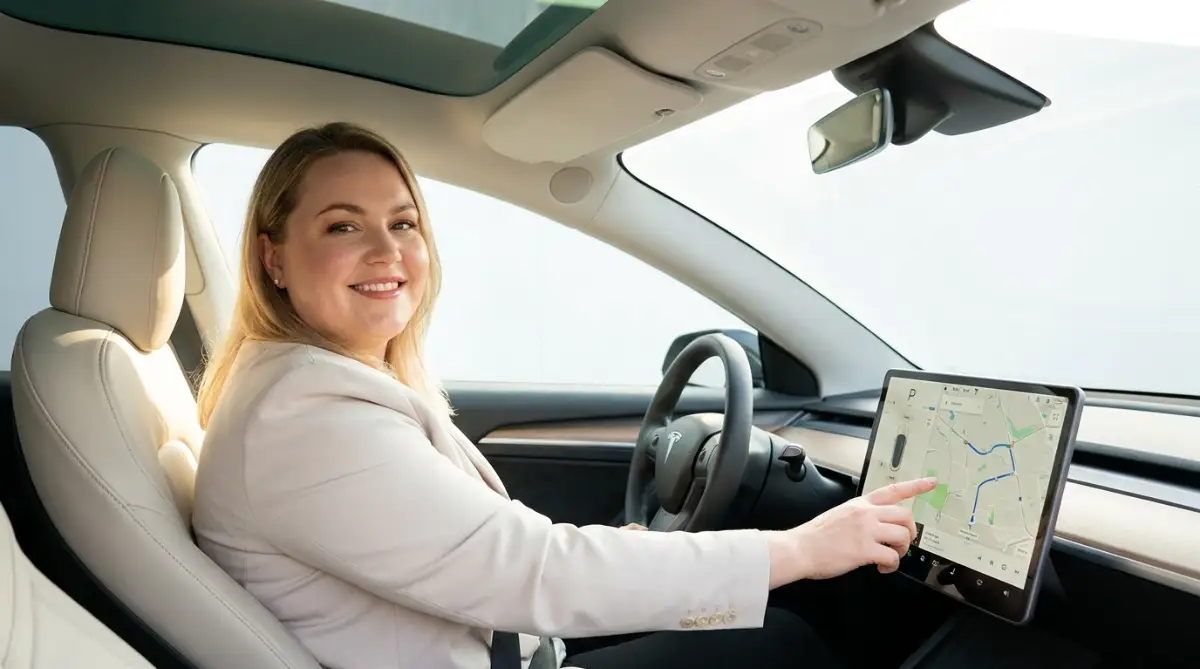
When you use your car's built-in smart navigation system to route to a fast charger, the vehicle does something absolutely amazing in the background. It starts preparing the battery pack while you are still driving down the highway.
The car automatically uses a small amount of power to heat up or cool down the battery cells. By the time you finally pull into the charging stall, the battery is at the exact perfect temperature to accept maximum electrical current instantly.
Heartbreaking Pitfalls That Will Leave You Stranded
We have all made silly mistakes when learning how to use a brand-new piece of technology. But in an electric vehicle, a simple misunderstanding can quickly turn into a terrifying roadside emergency for you and your passengers.
One of the most dangerous traps new drivers fall into is trusting the dashboard range estimator completely blindly. In the electric car community, many people affectionately call this screen the "guess-o-meter" for a very logical reason.
The range number you see glowing on the screen is just an educated guess based on how softly you drove yesterday. It has absolutely no idea that you are about to drive up a massive, steep mountain pass heading into a heavy rainstorm.
The Silent Danger of Extreme Cold Soaking
Imagine taking a beautiful winter ski trip with your family. You park your electric vehicle outside the cabin in freezing weather and decide not to plug it in overnight. This innocent mistake is known as "cold soaking" the battery, and it is a recipe for an absolute disaster.
When a massive lithium-ion battery sits in freezing temperatures for a long period, the internal chemistry basically goes to sleep. When you wake up the next morning and turn the car on, you might be horrified to see that 30% of your total range has magically disappeared overnight.
The vehicle is forced to use a massive chunk of its own remaining power just to warm the frozen battery back up to a safe operating temperature. Always make it a strict rule to leave your car plugged into a wall outlet overnight during freezing winter trips.
Ignoring Subtle Software Warning Signs
Gas car owners know that paying attention to strange engine behavior can save them thousands of dollars. Much like a driver's guide to identifying dangerous engine noises helps prevent total mechanical failure, electric vehicle owners must pay close attention to digital software alerts.
If your navigation screen suddenly flashes a warning suggesting you slow down to reach your destination safely, you must listen to it immediately. Do not brush off the alert out of pride and assume you can beat the system.
The vehicle's computer is constantly performing millions of complex energy calculations every single second. If the system warns you that a detour to a charging stop is necessary, ignoring it will almost certainly leave you waiting for a tow truck in the dark.
Legal and Financial Nightmares of Running Empty
Getting stranded with a dead battery is not just a minor travel inconvenience; it can become incredibly expensive and legally complicated. If your dead vehicle suddenly loses power and blocks a busy live highway lane, you become an immediate hazard to public safety.
Highway patrol officers can, and frequently do, issue heavy fines for obstructing moving traffic due to negligence. In some strict legal jurisdictions, if a severe collision occurs because your dead vehicle created a dangerous roadblock, you could easily face civil liability claims for the resulting property damages.
The Federal Highway Administration places a massive emphasis on keeping fast-moving roadways clear to prevent fatal multi-car pileups. Planning your charging stops carefully is not just about extending your battery life; it is about actively protecting your family and avoiding massive legal headaches.
Furthermore, you cannot just drag a dead electric car with a cheap chain. Because the electronic parking brakes often lock permanently when the battery dies, highly specialized flatbed equipment is required. This specific type of emergency towing will easily cost you hundreds of dollars out of pocket.
Your New Roadmap to Stress-Free Highway Travel
You are now fully equipped with the expert knowledge needed to conquer any long-distance road trip. The lingering fear of staring at an empty battery indicator no longer has to control your weekend travel plans.
Think of your electric car as a highly intelligent, incredibly efficient travel companion. By simply adjusting your highway driving speed, planning your routes logically, and understanding how your battery chemistry actually works, you take total control back into your own hands.
You do not have to perfectly memorize or apply every single one of these advanced strategies on your very first drive. Start small by simply checking your cold tire pressure and setting up a smart navigation app properly before you back out of the driveway.
A Quick Action Plan for Your Next Drive
Tomorrow morning, press that Eco Mode button and try out the regenerative braking feature in normal city traffic. Notice how much free energy you get back just by letting the car naturally slow itself down before a red light. Embrace this fun learning curve. Every single trip you take will naturally make you a much more confident, capable, and relaxed modern driver.
Now, it is time to hit the open road with total confidence. Enjoy the smooth, quiet cabin, listen to your favorite music, and make some truly amazing travel memories with your loved ones. The highway is officially yours to explore safely and efficiently.
Learning these simple battery tricks honestly gave me back the joy of driving, and I now take long road trips without a single drop of stress. You do not need to be a math genius to master your electric car; you just need to try one or two of these habits on your next drive. Go ahead and plan that weekend getaway right now, because the open road is waiting for you!
Legal & Safety Disclaimer: The information provided in this article is for general educational and informational purposes only and does not constitute professional legal advice, automotive repair instruction, or personalized safety consulting. Traffic laws, towing liabilities, and highway safety regulations vary significantly by jurisdiction. Always consult your vehicle's official owner's manual for specific operational guidelines. If you are facing legal citations, liability claims, or insurance disputes resulting from a roadside incident, please consult with a qualified, licensed attorney in your specific local area.