The Hidden Nightmare Behind Quick Cash
You borrow $300 to fix your car on a Tuesday. By next month, that same quick loan has ballooned into a $900 nightmare. I have seen so many people fall into this exact trap because lenders hide insane fees deep inside the fine print. Let me show you exactly how to spot their tricks and get your money back under control.
Sleep becomes almost impossible when debt collectors start calling your phone non-stop from early morning until late at night. Families fight over money, and the heavy burden of sudden debt slowly destroys personal relationships. It is a horrible feeling to work an entire week just to hand your whole paycheck directly over to a lender.
You are not alone if you feel suffocated by these aggressive lending tactics. Millions of hard-working folks get tricked by friendly salespeople and highly confusing paperwork. The lenders make the process look incredibly easy just to get your signature on the dotted line.
Let us break down exactly how these agreements trick you and what you must look out for. Understanding these hidden details is your absolute first step toward true financial freedom.
Your Action Plan to Beat the Debt Trap:
- Look past the "flat fee" and always calculate the true Annual Percentage Rate (APR) before signing.
- Revoke your ACH bank authorization immediately to stop lenders from auto-draining your account.
- Watch out for hidden "Mandatory Arbitration" clauses that strip away your legal rights.
- Ask a local credit union about Payday Alternative Loans (PALs) to escape the 400% interest cycle.
Spotting the Secret Dangers in Your Contract
When you walk into a lending store or visit their website, everything looks professional and safe. The bright signs promise instant cash with zero hassle, playing on your urgent need for money. However, the real danger hides quietly in the dense paragraphs of the contract you are asked to sign.
You need to know exactly what those confusing legal words actually mean for your wallet. Let us explore the most dangerous tricks lenders use to keep you paying them forever.
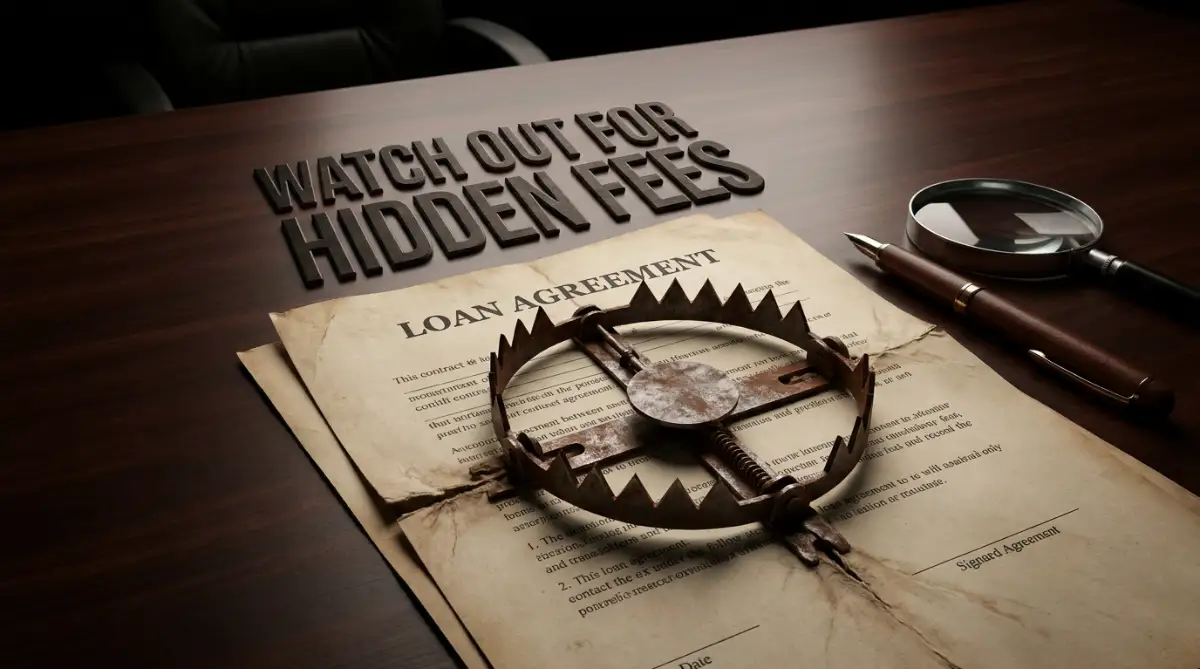
The Illusion of the Flat Fee
One of the biggest tricks lenders use is advertising a simple, flat fee for borrowing money. They might say you only pay fifteen dollars for every one hundred dollars you borrow. To a stressed mind, fifteen dollars sounds like a very small price to pay for emergency cash.
What the lender does not tell you is how this translates to an Annual Percentage Rate (APR). Traditional banks might charge you a ten percent APR for a whole year. That flat fifteen-dollar fee actually equals an APR of nearly four hundred percent when calculated over a short two-week period.
If you do not pay the entire balance off on your next payday, that massive interest rate kicks in hard. The debt grows at a speed you simply cannot keep up with on a normal salary. You must always ask the lender to point out the actual APR on the paperwork.
Here is a quick look at how that "small" flat fee actually drains your wallet:
| Loan Amount | Advertised Fee | Repayment Time | The Real APR You Pay |
| :--- | :--- | :--- | :--- |
| $200 | $30 | 14 Days | 391% |
| $500 | $75 | 14 Days | 391% |
| $1,000 | $150 | 14 Days | 391% |
Notice how they sell you on the $30 fee, completely hiding the nearly 400% interest rate.
I learned the hard way that a small flat fee is just a mask for an insanely high interest rate. My biggest mistake was only looking at the dollar amount instead of calculating the long-term cost. You should always use an online loan calculator before you put your name on any agreement.
The Endless Cycle of Rollover Payments
Sometimes, payday arrives and you realize you need your whole paycheck just to buy groceries and pay rent. You call the lender, and they happily offer you an extension, which they call a "rollover". They tell you to just pay the interest fee today, and you can push the main balance to your next paycheck.
This sounds like a huge relief at first, but it is actually a massive financial trap. When you pay a rollover fee, not a single penny goes toward reducing the original amount you borrowed. You are basically paying a penalty just to keep the exact same debt alive for another two weeks.
Imagine paying a monthly subscription fee for a TV service, but you never actually get to watch the shows. That is exactly what a rollover is doing to your hard-earned cash. Lenders love rollovers because they make pure profit while you remain trapped in the exact same spot.
Myth vs Reality in Short-Term Borrowing
Myth: Paying the minimum extension fee will eventually clear my debt.
Reality: Extension fees only cover the interest. Your main debt never goes down unless you pay extra.
Myth: The lender wants me to pay off the loan quickly so we can close the account.
Reality: The lender makes the most money when you stay in debt for as long as possible.
Always look for a clause in the agreement that strictly limits the number of times you can roll over the loan. Some places allow unlimited rollovers, which is a guaranteed recipe for long-term bankruptcy.
The Danger of Automatic Bank Withdrawals
When you take out the cash, the lender usually asks for your checking account details or a post-dated check. They write an Automated Clearing House (ACH) authorization clause deep into the fine print. This gives them the legal right to pull money directly from your bank account whenever they want.
Watch This Quick Warning About ACH Transfers:
Before you hand over your banking details, you must understand exactly how lenders can drain your account overnight. Watch this short explanation to protect your daily funds.
If your account does not have enough money on the due date, the lender will still try to pull the funds. When the payment fails, your personal bank will hit you with a painful overdraft fee. But the nightmare does not stop there, because the lender will often try to pull the money again the very next day.
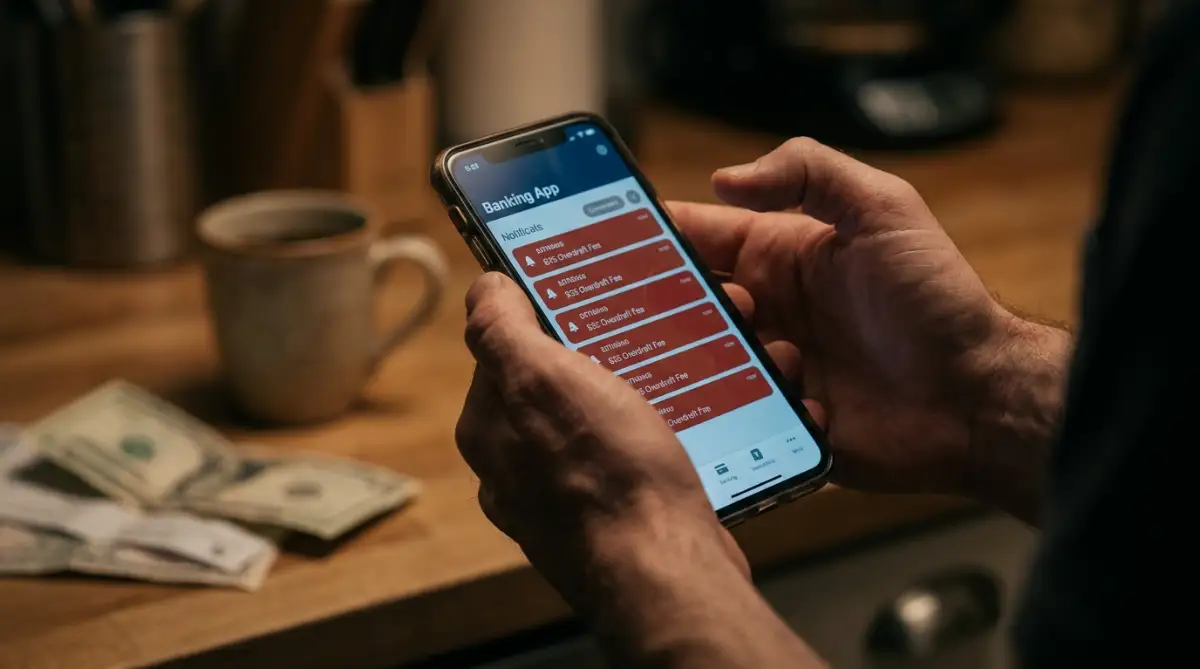
Every single failed attempt results in another overdraft charge from your bank. I have seen people lose hundreds of dollars in bank fees in a single weekend just from automatic withdrawal attempts. You suddenly owe massive fees to both the lender and your own bank at the same time.
You must read the contract to see how you can revoke this electronic withdrawal permission. Always provide written notice to both the lender and your bank if you need to stop these automatic payments. It is your legal right to cancel an ACH authorization, even if the lender tells you otherwise.
The Trap of Mandatory Arbitration Clauses
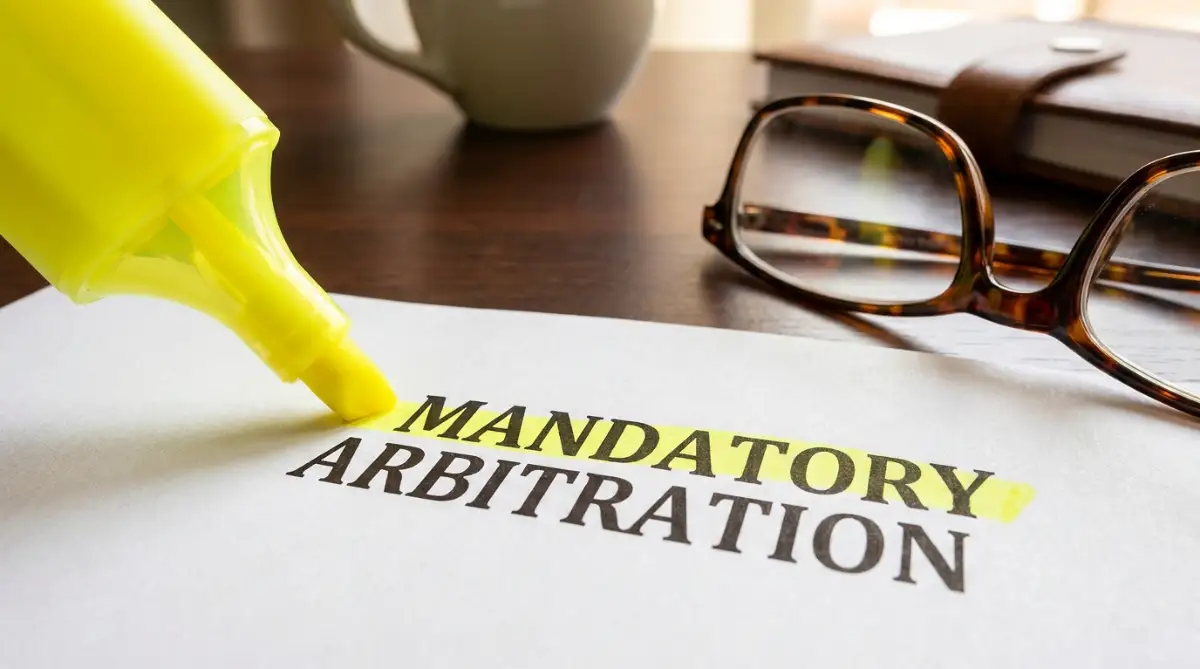
Most people skip right past the legal jargon at the very end of a loan document. This is exactly where lenders hide the "Mandatory Arbitration" clause, which strips away your legal rights. If the lender does something illegal or abuses you, this clause says you cannot take them to a normal court.
Instead, you are forced to handle the dispute through a private arbitrator chosen by the lender. Private arbitrators almost always side with the big financial companies that pay their bills. You lose your right to join a class-action lawsuit with other victims who were also scammed.
This sneaky trick means the lender can break the rules without fear of facing a real judge. If you spot an arbitration clause, ask the lender if there is a way to opt-out of it. Some agreements allow you to send a written letter within thirty days to reject the arbitration requirement.
Hidden Late Fees and Penalty Charges
Life happens, and sometimes you simply cannot make your payment by the exact time listed on the contract. You might think paying one day late is no big deal, but the agreement says otherwise. Lenders hide massive penalty fees in the fine print for payments that are even a few hours late.
A simple twenty-dollar late fee can instantly trigger a higher penalty interest rate on your entire balance. Suddenly, your already expensive loan becomes totally unmanageable. They might also charge you a fee just for calling them to explain why you are late.
Always read the specific section titled "Default and Penalties" very carefully before taking the cash. You need to know the exact grace period you have before these crazy fees are applied. If the contract does not clearly list the late fees, you should walk away immediately.
Comparing Your Financial Options
When you are in a rush, it is easy to think a payday lender is your only hope. Let us look at a simple comparison to see why other options are much safer.
As you can clearly see, almost any other option is better than a short-term cash advance. Even borrowing money from a family member with a written contract is much safer for your mental health. Do not let the lack of a credit check blind you to the extreme financial risks.
The Threat of Wage Garnishment
Many borrowers believe that if they just ignore the lender, the debt will eventually disappear. The loan agreement often includes language that allows them to come directly after your paycheck. They can take you to court and get a legal order to garnish your wages.
This means your boss is legally forced to send a portion of your hard-earned paycheck straight to the lender. Having your employer know about your severe financial struggles is highly embarrassing and stressful. It can damage your professional reputation and leave you with barely enough money to buy food.
The contract might use confusing words like "assignment of wages" to hide this threat. If you see anything related to your employer or future wages in the document, you should be very worried. Never sign away your right to keep the money you actively work for.
Vague and Confusing Cooling-Off Periods
Some local laws require lenders to offer a "cooling-off" period or an extended payment plan. This means if you cannot pay the loan, you have the right to ask for a longer payment schedule without extra fees. However, lenders purposely make this option incredibly hard to find and difficult to use.
The agreement might state that you must request this plan exactly two days before your loan is due. If you ask one day before, they will deny your request and hit you with all the massive fees. They bury these tight deadlines in the middle of long, boring paragraphs.
You must ask the lending agent directly about their extended payment plan policy before you sign. Make them show you exactly where it is written in the contract and highlight the specific deadline. Knowing your right to a cooling-off period can save you from falling into the endless rollover cycle.
Aggressive Collection Tactics in the Fine Print
When you are reading the contract, pay close attention to the contact permissions you are giving away. Many agreements include clauses that allow the lender to contact your friends, family, and employer. They claim this is just to verify your identity, but it is actually a tool for harassment.
If you miss a single payment, they will start calling everyone on your reference list. They use social pressure and deep embarrassment to force you into paying them back immediately. Your private financial struggles suddenly become public knowledge to everyone you care about.
You should tightly restrict who the lender is allowed to call and under what specific circumstances. If the contract forces you to provide five personal references, ask if you can leave that section blank. Protecting your privacy is just as important as protecting your bank account.
Taking Control of Your Financial Choices
Take a deep breath and read every single line, no matter how desperate you feel in the moment. If you do not understand a specific sentence, force the agent to explain it to you in simple English. Do not let them rush you, because signing a bad contract will hurt you for a very long time.
Advanced Strategies to Escape the Endless Debt Cycle
Once you realize you are stuck in a bad financial agreement, panic is usually the first emotion that hits you. You might feel totally helpless when you look at how fast the interest is growing every single day. The good news is that you absolutely have options to fight back and regain control of your hard-earned money.
You just need a clear, step-by-step game plan to outsmart the lenders at their own game. Let us walk through some highly effective secrets that financial experts use to help people break free from these toxic agreements.
Demand an Extended Payment Plan (EPP)
Most borrowers have no idea that they have a legal right to ask for an Extended Payment Plan. Many states legally force short-term lenders to offer this option if you simply cannot pay your balance on time. An EPP allows you to chop your total owed amount into smaller, manageable pieces over several weeks.
The best part about a true EPP is that it completely stops any new interest or late fees from adding up. The lender will never offer this option to you voluntarily, so you must be brave and demand it yourself. You have to call them directly and state firmly that you are invoking your right to an extended payment arrangement.
Always get the details of this new payment plan in writing before you send them another dime. If the lender refuses to cooperate, you can actually look up federal consumer protection guidelines to understand exactly what your legal rights are in your specific location. Knowing your rights is your strongest shield against aggressive collection tactics.
The Power of Local Credit Unions
If you are trapped in a high-interest nightmare, traditional banks will probably ignore your cry for help. However, local credit unions are completely different because they are non-profit organizations designed to help their local community members. Many credit unions offer special products specifically designed to pay off predatory short-term loans.
These are often called Payday Alternative Loans (PALs), and they come with strictly capped interest rates. The application process is usually much friendlier, and they look at your whole financial story instead of just a single number. You can easily save yourself hundreds of dollars a month just by moving your debt to a local community credit union.
Wait, what if my credit score is terrible?
You can still get approved! I always tell people to ask their local credit union about a "PAL" (Payday Alternative Loan). Credit unions are non-profits, meaning they actually look at your current income and job history instead of just rejecting you over a low credit score. Plus, federal law caps PAL interest rates at 28%, which is a massive upgrade from a 400% payday loan.
If you are worried about your current financial profile holding you back, there are smart ways to navigate this hurdle. You can start by learning the exact steps for finding a bad credit personal loan from reputable sources.
Targeting the Principal Balance Directly
When you make a standard payment on a toxic loan, the lender applies almost all of your money to the interest fees first. This is exactly why your actual debt never seems to go down, no matter how much you pay. You must break this pattern by forcing your money to attack the principal balance.
If you manage to scrape together an extra fifty dollars from a side job, call the lender immediately. Tell them exactly this: "I am making an extra payment today, and it must be applied strictly to the principal balance."
Make sure you write down the name of the agent you spoke to and the exact time of the call. If you simply make an extra payment online without giving instructions, their automated system will just swallow it as an early interest payment.
Working with True Financial Advocates
Sometimes the debt is just too overwhelming to handle completely on your own, and that is perfectly okay. Reaching out for professional help is a sign of deep strength, not weakness. You just have to make sure you are talking to the right kind of professionals who actually care about your future.
Instead of trusting shady debt relief companies you see on late-night TV, look for certified non-profit credit counselors who offer free or low-cost advice. These certified experts can often step in and negotiate directly with your lenders on your behalf. They know exactly what to say to stop the harassing phone calls and reduce your scary interest rates to a manageable level.
They can also help you understand how to build a better safety net for the future so you never have to borrow like this again. If you feel like your options are zero, learning the secrets of qualifying for a personal loan with a low score can open up doors you did not even know existed.

Dangerous Blunders That Keep You Trapped
When people feel backed into a corner by aggressive lenders, they often make choices out of pure fear. These panic-driven decisions usually turn a bad financial situation into an absolute disaster. Let us look closely at the most common mistakes people make so you can completely avoid them.
The Horror of Debt Stacking
This is without a doubt the most dangerous mistake a distressed borrower can make. When the due date arrives for your first loan, you realize you simply do not have the cash to pay it off. In a moment of panic, you drive down the street to a totally different lender to take out a second cash advance.
You use the money from the second lender to pay off the first one, thinking you just bought yourself some time. All you really did was create a massive monster that is now charging you double the fees. This strategy is called "debt stacking," and it guarantees a rapid freefall into total bankruptcy.
Never try to borrow your way out of a high-interest debt trap using more high-interest debt. It is always better to default on one loan and face the music than to juggle three different toxic lenders at once. If you need a safer exit route, you should focus on getting approved for safer loan options that offer fixed monthly payments.
Thinking Closing Your Bank Account Fixes Everything
A very common piece of bad advice is to just close your checking account to stop lenders from taking your money. People think that if the account does not exist, the automatic withdrawals will magically stop. This is a massive misunderstanding of how the banking system actually works.
When a lender tries to pull money from a closed account, the bank will often reopen the account temporarily just to process the transaction. This immediately throws your account into a negative balance, and your bank hits you with massive overdraft penalties.
Even worse, abandoning a negative bank account will get you reported to special banking bureaus like Chex Systems. Once you are on that bad list, you will not be able to open a normal checking account anywhere for years. It is similar to the dangers of hastily closing an old credit card account without understanding how it ruins your overall financial health.
Real-Life Scenario: The Silent Ghosting Mistake
Imagine your phone rings, and you see the caller ID belongs to your lender's aggressive collection department. Your heart starts racing, your palms sweat, and you quickly hit the ignore button. You tell yourself that if you just ignore them for a few weeks, they will eventually give up and leave you alone.
Why Ignoring Collections Fails Miserably:
- Aggressive Escalation: When you stop answering, they immediately start calling your boss and your family members.
- Legal Action: Silence gives them the perfect excuse to skip negotiations and take you straight to court.
- Lost Opportunities: You miss out on the chance to negotiate a lower settlement before they sell your debt to an even meaner collection agency.
You must pick up the phone, stay completely calm, and tell them exactly what you can afford to pay. If they threaten you with jail time or use bad language, you have the total right to start reporting abusive lending practices to government authorities immediately.
Paying Scammers for Fake Debt Relief
When you are desperately searching online for a way out, you will see tons of ads for "debt settlement" programs. These smooth-talking companies promise to magically cut your total debt in half if you just pay them a hefty upfront fee. They tell you to stop paying your lender completely and send your cash directly to them instead.
These companies are almost always running a scam that leaves you in a much worse position. They take your money for their "service fees," but they never actually pay your original lender. Meanwhile, your real loan continues to grow out of control, and you get hit with massive late penalties.
Always deal with your original lender directly or use a certified, non-profit financial counselor. Avoid anyone who promises an overnight miracle because true financial recovery takes patience and honest work.
Your Blueprint for True Financial Freedom
Breaking free from toxic loan agreements is a tough journey, but it is highly rewarding. You now hold the exact knowledge needed to spot sneaky contract clauses and stop unfair lenders in their tracks. It all comes down to reading the fine print carefully, refusing to be bullied, and making highly calculated decisions.
Remember to actively build up a tiny emergency fund, even if it means saving just ten dollars a week in a glass jar. That small cash buffer is your ultimate defense against ever needing a predatory cash advance again. You should also take time to educate yourself on the hidden credit score traps that keep normal people stuck in the subprime lending market.
Taking control of your money changes your whole life, reducing your daily stress and bringing genuine peace to your household. You are capable of turning this temporary setback into a massive comeback story.
I want you to know that I deeply understand the heavy shame and fear that comes with unexpected financial trouble. My biggest turning point happened the moment I stopped running from my money problems and finally faced them head-on with a solid plan. I promise you that if you take just one small, positive action today, you will start sleeping much better tonight.
Frequently Asked Questions About Short-Term Borrowing
What actually happens if I cannot pay my short-term cash advance on time?
If you miss your payment, the lender will immediately add a high late fee and your interest rate might jump higher. They will start calling you aggressively and attempting to pull the funds directly from your bank account. If you ignore them for too long, they will eventually send your account to a third-party debt collection agency.
Can a short-term lender send the police to arrest me for unpaid debt?
No, you absolutely cannot go to jail simply for owing a lender money on a standard civil debt. Many shady collection agents will threaten you with arrest or claim they are sending the police to your job. This is a highly illegal scare tactic, and you should report any collector who makes these kinds of threats.
How do I stop lenders from continually draining my checking account?
You must officially revoke your Automated Clearing House (ACH) authorization in writing. Send a certified letter to the lender stating they no longer have permission to withdraw funds. You must also notify your personal bank immediately and ask them to block any future requests from that specific company.
Is it actually possible to negotiate a settlement on my crazy high balance?
Yes, it is very possible, especially if your account is severely past due and they think they might get nothing at all. You can offer them a single lump-sum payment that is lower than your total balance to close the account forever. Just make sure you get the entire settlement agreement in writing before you hand over a single penny.
Does paying off a cash advance early help build my credit score?
Unfortunately, most traditional short-term lenders do not report your good, on-time payments to the major credit bureaus. This means successfully paying off the loan does absolutely nothing to improve your official credit score. However, if you completely default on the agreement, they will absolutely report the negative mark, which severely damages your credit profile.
Disclaimer: The information provided in this article is for educational and informational purposes only and does not constitute professional financial or legal advice. Every individual's financial situation is unique. Please consult with a certified financial advisor or legal professional before making any major financial decisions, signing contracts, or attempting to negotiate debt settlements.