The Deafening Roar of Everyday Life and My Breaking Point
Ever tried to focus on a simple task, only to feel like your brain is trapped inside a loud blender? Yeah, me too. Between the roaring city traffic, buzzing espresso machines, and everyone talking at once, finding a quiet corner feels almost impossible today. For a long time, I just cranked up my music to block it all out, which only ended up hurting my ears. But then I found a real escape button—and honestly, the way it completely erases the world is nothing short of mind-blowing.
Honestly, I was losing my mind trying to find just a tiny slice of peace. I tried pushing my regular earbuds deeper into my ears, cranking the volume up so loud that my favorite songs actually started to hurt. But that did not solve the problem at all; it just added more noise on top of the existing chaos.
Have you ever felt that exact same overwhelming frustration? When the world around you is just too loud, and it feels impossible to hear your own thoughts?
Every single day, normal people are constantly bombarded by an invisible enemy called noise pollution. We wake up to honking cars, sit in rattling subway trains, and work in open-plan offices where every keyboard click and telephone ring drills into our focus.
I finally reached my absolute limit that day in the coffee shop. I packed up my bag, walked straight into a local electronics store, and put a pair of high-end active noise-canceling headphones over my ears.
When the store employee flipped the switch, the world just dropped away. The loud store vanished. It felt like absolute magic.
Quick Reality Check: How Loud Is Your Day?
Before we look at how headphones delete noise, let's see what your ears are dealing with daily. Here is a quick breakdown of common sounds and what Active Noise Cancellation (ANC) actually fixes:
But as I soon learned, it was not magic at all. It was pure, beautiful physics. I became completely obsessed with finding out exactly how these devices manage to erase the world.

Quick Takeaways Before You Read:
- It is not magic, it is math: Your headphones create invisible "anti-noise" waves to cancel out background rumbles.
- Fit matters most: If your ear pads do not seal perfectly against your head, the software cannot do its job.
- Keep your volume down: You do not need to blast your music at 100% anymore; save your hearing!
- Don't ignore the app: Regular software updates directly improve how well your headphones block noise.
Decoding the Magic: What Actually Happens Inside Your Earcup
To understand how your headphones manage to delete the annoying sounds around you, we first need to understand what sound actually is. You cannot defeat an enemy if you do not know how it moves.
Imagine throwing a heavy rock into a perfectly calm pond. You will immediately see ripples pushing the water outward in expanding circles.
Sound works in the exact same way, but instead of water, it moves through the invisible air all around us. When a dog barks or an airplane engine roars, it pushes the air molecules. These molecules bump into each other, creating invisible waves that travel straight into your ear canal.
When these waves hit your eardrum, your brain translates those air vibrations into the annoying sounds you hear.
So, how do we stop these invisible air waves from reaching your eardrum? The answer is incredibly clever. We create a completely new wave to fight the original wave.
The Brilliant Concept of Destructive Interference
In the world of physics, this method is called phase inversion, but I like to call it the "Mirror Concept." If you want to make a sound disappear, you have to create its exact opposite.
Let me give you a very simple picture. Think of a sound wave as a rollercoaster track. It goes up to a high peak, and then it dips down into a low valley.
If a loud truck drives by, it creates a "truck sound wave" that goes up and down. Now, your smart headphones hear this truck coming. Instantly, the headphones generate their own artificial sound wave.
But here is the trick. When the truck's wave goes up, the headphone's artificial wave goes down. When the truck's wave goes down, the headphone's wave goes up.
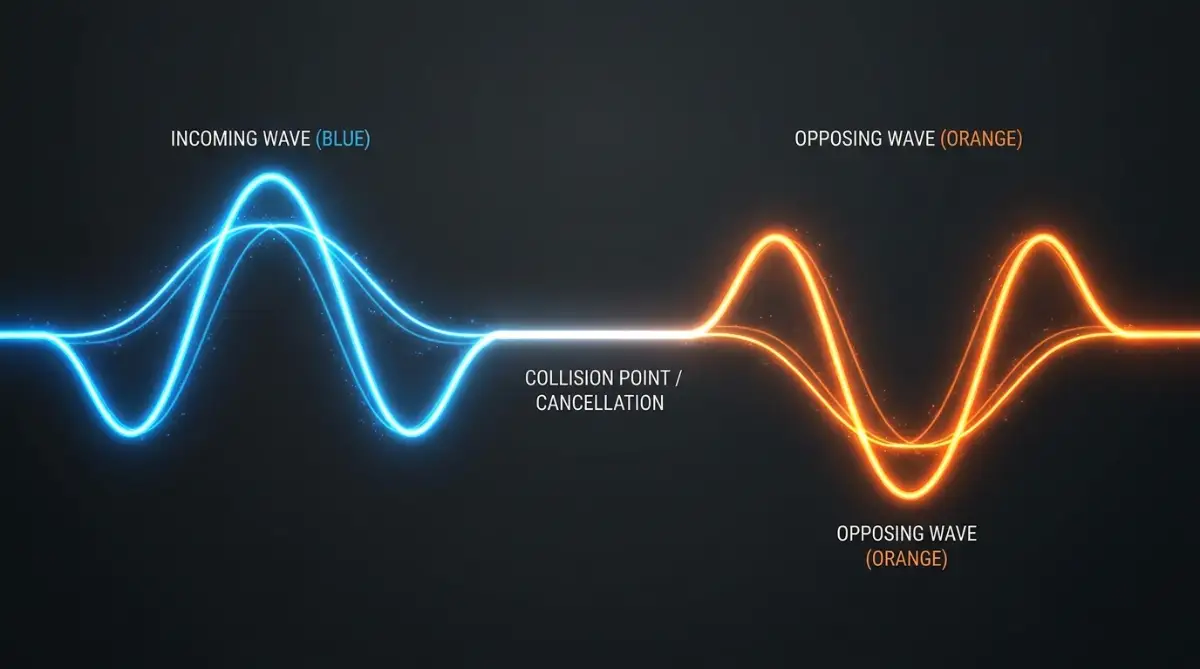
Because they are exact opposites, they crash into each other and completely cancel each other out. The result? A perfectly flat line. Zero sound. Total silence.
Pro Tip: Early on, I made the terrible mistake of buying cheap headphones labeled "Noise Isolating" and expected absolute silence. I learned the hard way that "isolation" just means thick foam blocking your ear. If you want the real technology that erases sound, you must always look for the word "Active" on the box!
The Hardware: The Tiny Army Inside Your Headphones
Now that we know the basic science, how do the headphones actually do this in real-time? It requires a highly coordinated team of tiny electronics working inside the plastic earcups.
Let's break down the main components that make this silence possible.
1. The Listening Microphones
Before your headphones can cancel the noise, they have to hear it first. Good noise-canceling headphones have multiple tiny microphones built into the outside shell. These microphones are always listening to your environment. They pick up the hum of your air conditioner, the rumble of a bus, and the chatter of a crowded room.
2. The Digital Signal Processor (DSP)
This is the absolute brain of the operation. The DSP is a microscopic computer chip inside the headphone. When the microphones capture the outside noise, they send that audio data straight to this chip.
Here is exactly how the DSP works its magic.
The DSP analyzes the incoming sound wave in a fraction of a millisecond. It calculates exactly what the opposite wave needs to look like. This calculation happens so fast that your human brain cannot even perceive a delay.
3. The Internal Speaker Drivers
Once the DSP creates the perfect opposite wave, it sends that information to the speakers inside your headphones. These are the same speakers playing your favorite music or podcast.
The speakers play the anti-noise wave at the exact same time the outside noise reaches your ear. The two sounds collide in the tiny space between the headphone speaker and your eardrum, creating that beautiful silence.
Myth vs Reality: The Limits of Silence
Many people put on these headphones for the first time and expect a literal miracle. They think they will never hear a single sound again. We need to clear up some common misunderstandings.
Myth: Active noise cancellation blocks every single sound in the world.
Reality: The technology is highly specialized. It is absolutely amazing at blocking low-frequency, consistent sounds. Think of airplane engines, humming refrigerators, or the steady rumble of highway traffic.
Because these sounds are steady, the internal computer chip has plenty of time to read the wave and create the opposite wave.
However, sudden, high-pitched, or unpredictable sounds are much harder to block. If someone drops a glass plate next to you, or a baby suddenly screams, the computer chip does not have enough time to predict the wave. You will still hear those sudden sounds, though they will be noticeably muffled.
Why Do Some Headphones Work Better Than Others?
You might wonder why a $300 pair of headphones creates perfect silence, while a $50 pair barely makes a difference. The secret lies in where the manufacturers place the microphones.
There are three main ways audio engineers design this technology.
Feedforward System:
In this setup, the microphone is placed on the outside of the earcup. It hears the noise before your ear does. Because it hears the noise early, it has more time to process the anti-wave.
However, because the microphone is outside, it does not actually know what you are hearing inside the cup. It just guesses based on the outside sound. It is good, but not perfect.
Feedback System:
Here, the microphone is placed inside the earcup, right next to your actual ear. This is incredibly smart because the microphone hears exactly what your ear is hearing.
If the anti-noise wave is slightly wrong, the inside microphone can instantly tell the computer chip to adjust and fix it. The problem? It hears the sound very late, which can sometimes cause a weird high-pitched squeal if it makes a mistake.
Hybrid System:
This is what the premium brands use to give you that magical experience. Hybrid systems use microphones on both the outside and the inside of the headphone.
The outside microphones catch the noise early, and the inside microphones double-check the work to make sure the silence is absolutely perfect. This double-check system is why top-tier headphones can make a crowded subway car feel like a quiet library.
The Strange "Cabin Pressure" Sensation
If you have ever worn premium active noise-canceling headphones, you might have noticed a very weird feeling in your ears. Some people say it feels like an airplane taking off, creating pressure inside their head.
Many people think the headphones are actually sucking the air out of their ears. Do not worry, they are not!
This is actually a fascinating psychological trick played by your brain. Normally, low-frequency sounds (like deep rumbles) tell your brain that you are in an open, normal space.
When you turn the headphones on, they completely erase those low-frequency sounds. Your brain gets confused. Because the low sounds are gone, your brain thinks, "Oh, the air pressure must have suddenly dropped."
Your ears physically feel perfectly fine, but your brain creates the illusion of pressure because it is missing the background sounds it expects to hear. Your mind is literally playing tricks on you! Over time, as you use the headphones more, your brain gets used to the pure silence and this fake pressure feeling usually goes away entirely.
Comparing Passive and Active Methods
To truly appreciate the technology on your head, it helps to see exactly how it differs from old-school methods. Let's look at a quick comparison between the two ways we try to protect our hearing.
By combining thick ear pads (passive) with smart computer chips (active), modern audio engineers have managed to give us the ultimate tool for focus and mental peace.
Getting the Absolute Best Silence Out of Your Audio Gear
You now know the amazing science of how invisible anti-noise waves cancel out the annoying sounds around you. But simply putting the gadget on your head is only half the battle. If you want to experience that pure, library-level silence, you have to use the hardware correctly.
Many people buy expensive audio equipment, pull it out of the box, and just press the power button. They completely ignore the smart features hidden inside the device. Let's look at some highly effective secrets to maximize your mental peace.
Perfect Your Physical Seal
The digital signal processor can only do its job if the physical ear pads fit tightly around your ears. This is called passive isolation, and it is the foundation of good sound blocking. If there is even a tiny gap between your skin and the memory foam, ambient sound will leak right in.
I actually learned this lesson the hard way. I was wearing my thick plastic reading glasses while working, and I noticed a low humming noise coming from my computer fan. The thick arms of my glasses were pushing the ear pads away from my head! Once I switched to thin wireframe glasses, the perfect silence instantly returned.
Always adjust the headband so the cups sit securely without pinching. If you have long thick hair, make sure to tuck it behind your ears before putting the device on.
Unlock the Hidden Software Power
Almost every modern premium headset comes with a free companion app for your smartphone. Do not skip downloading this app! This software is the control center for your listening experience.
Inside the app, you will usually find a slider that lets you adjust the level of sound blocking. Sometimes you want total silence, like when you are trying to sleep on a noisy airplane. Other times, you might want to let a little bit of sound in so you can hear your name being called at the office.
By taking the time to set up these custom modes, you make your day much smoother. For example, when you are trying to transition to remote work without risking your career, controlling your acoustic environment at home makes you look incredibly professional during video calls.
Mastering the Transparency Mode
One of the greatest features built into modern audio gear is called transparency mode, or ambient sound mode. This feature uses the outside microphones to capture the world and pipe it directly into your ears.
It sounds completely natural, almost like you are not wearing anything on your head at all. This is perfect for when you are walking into a coffee shop to place an order. Instead of rudely taking your device off, you just tap a button, talk to the barista, and then tap it again to disappear back into your music.
Keep the Tiny Microphones Clean
Remember the tiny listening microphones we talked about earlier? They are usually located on the outside shell of the plastic ear cups. Over time, these tiny holes can get clogged with dust, sweat, and oils from your fingers.
When these microphones get blocked, they cannot hear the outside world accurately. If they cannot hear the noise, the computer chip cannot create the right anti-wave. Gently wipe the outside of your device with a soft microfiber cloth once a week to keep the sensors working perfectly.
This simple maintenance habit extends the life of your expensive gear for a very long time. It is exactly like keeping your digital life clean. If you are learning how to secure your smart speaker immediately, you already know that regular updates and maintenance prevent major headaches down the road.
Understanding Your Battery Life
Generating artificial anti-waves requires constant computer processing power. This means the feature drains your battery much faster than standard listening. If you are planning a long international flight, you need to manage your battery smartly.
Most models allow you to use a physical wire to connect to the airplane entertainment system. Using a wire instead of a Bluetooth connection saves a lot of battery power.
If you are dealing with technical issues at home, like figuring out why your Wi-Fi keeps dropping and how to fix it today, you do not want your headset dying in the middle of a stressful troubleshooting session. Always keep a portable power bank handy in your bag.

Silent Sabotage: Things That Ruin Your Listening Experience
Even with the smartest technology in the world, human error can easily ruin the experience. When people try to escape a noisy environment, they often make terrible mistakes that actually hurt their hearing or break their expensive equipment.
Let's look at the biggest traps you need to avoid when using this powerful audio technology.
Cranking the Volume to the Maximum Level
This is probably the most common and dangerous mistake people make. Before you had this smart technology, you probably turned your music up very loud to drown out the bus engine or the office chatter. It became an unconscious habit.
Now that the background noise is digitally erased, you do not need that extreme volume anymore! You can comfortably listen to your favorite podcast at just forty percent volume.
Continuing to blast music at maximum volume while wearing a sealed headset pushes intense sound pressure directly into your ear canal. According to global health experts focused on preventing noise-induced hearing damage, this habit can lead to permanent ringing in the ears.
Walking Down Busy City Streets
I completely understand the desire to block out the harsh sounds of city traffic. Honking horns and construction drills are highly stressful. However, completely erasing the world around you while walking near moving vehicles is incredibly unsafe.
Our brains naturally use ambient sound to track hazards. You hear a car speeding up behind you long before you ever see it. When you delete that audio warning system, you are essentially walking blind.

Always switch to transparency mode when you are navigating busy streets. Save the total isolation mode for when you are safely sitting on a train, sitting at your desk, or relaxing on your living room couch.
Falling for Cheap Counterfeit Brands
The market is currently flooded with extremely cheap knock-offs that promise premium sound blocking for twenty dollars. Please do not waste your hard-earned money on these scams.
True sound blocking requires highly advanced microchips and high-quality microphones. According to modern acoustic engineering principles, you simply cannot pack that level of digital processing into a cheap plastic shell.
These fake brands usually just put thick, uncomfortable foam inside the ear pads and call it a day. If a deal looks too amazing to be true, it is usually a complete fake. Stick to trusted, well-known brands that actually invest in proper audio research.
Ignoring Firmware Updates
You might think that a pair of speakers does not need software updates. That is totally wrong! Your modern headset is actually a tiny wearable computer.
Manufacturers are constantly finding new ways to make the digital anti-waves more accurate. They regularly release software updates through their mobile apps. If you never connect your device to the app, you are missing out on free performance upgrades.
Think of it like updating the security on your router when securing your smart home from hackers. Keeping the software fresh ensures the hardware runs at its absolute best.
My Personal Troubleshooting Tip:
I once thought my expensive headphones were completely broken because they started making a weird static sound in my left ear. Before throwing them away, I checked the brand's mobile app. Turns out, there was a major firmware update I had ignored for three months! I tapped "Update," waited two minutes, and the static sound disappeared completely. Always check your app first!
Wearing Them While Sweating Heavily
Unless you buy a specific pair designed purely for heavy sports, most premium over-ear models are not highly water-resistant. The memory foam pads act like sponges, soaking up sweat during a heavy gym session.
More importantly, moisture can easily seep into the sensitive outer microphones. Once water damages the digital signal processor, the sound blocking feature will stop working entirely. You will just hear a highly annoying static crackle instead of your music.
If you want to run on a treadmill or lift heavy weights, buy a cheap pair of waterproof fitness earbuds instead. Save your premium over-ear gear for the office, the airplane, or your quiet reading corner.
Getting Too Addicted to Complete Silence
This might sound a bit strange, but it is a very real problem. When you get used to working in absolute silence every single day, your brain adapts to that unnatural quiet.
If you suddenly have to work without your gear, normal everyday sounds might feel overwhelmingly loud and stressful. You might find yourself getting highly irritated by a simple fan spinning or a clock ticking.
Try to give your ears a natural break. Practice working without the device for at least an hour every day. Managing your sensory environment helps immensely if you are figuring out why remote workers hit burnout and how to fix it today. A little bit of natural background noise is actually quite healthy for your nervous system.
Using the Wrong Charging Cables
It is so easy to just grab whatever cable is lying around on your desk and plug your device into the wall. But using a cheap, unbranded fast charger can permanently damage the tiny battery inside your headset.
Always try to use the specific cable that came inside the original box. If you plug a high-voltage laptop charger into a delicate audio device, you might fry the internal power management chip.
Treat these devices like the expensive mini-computers they truly are. Taking good care of your tech tools is just as important as learning to work seamlessly across different time zones. Good tools require respect and proper daily care.
Your Next Steps to Finding Mental Peace in a Noisy Room
We have covered a lot of fascinating ground today. From understanding the invisible physics of sound waves to learning exactly how a tiny computer chip generates an anti-wave to erase the world.
You now know that achieving perfect silence is not magic; it is simply brilliant engineering. You also know exactly how to avoid the common traps that ruin the listening experience for so many frustrated buyers.
The next time you find yourself sitting in a loud, distracting environment, you do not have to suffer in silence. You have the knowledge to take total control of your personal audio space.
I really hope this guide helps you reclaim your focus and lowers your daily stress levels. Honestly, taking charge of my own noisy environment completely changed my productivity and mental health for the better. Now, it is your turn to put on your favorite playlist, flip that special switch, and enjoy the beautiful peace you truly deserve.
Common Questions About Blocking Background Noise
Does this sound blocking technology damage your hearing?
No, it does not damage your hearing at all. In fact, by erasing the loud background noise, you can listen to your music at much lower, safer volumes. Always practice maintaining healthy hearing habits by keeping your overall volume below sixty percent.
Can I comfortably sleep with these devices on my head?
You can, but large over-ear models might feel bulky and uncomfortable if you sleep on your side. If you want to block out a snoring partner, look for specially designed soft sleep earbuds instead.
Why do I still hear people talking when the feature is turned on?
The technology is built to erase low, steady, predictable noises like airplane engines or air conditioners. Human voices are highly unpredictable and high-pitched, so the internal computer chip cannot block them completely.
Will turning this feature on drain my battery much faster?
Yes, generating artificial sound waves takes a good amount of digital processing power. Using this mode will naturally reduce your overall battery life by a few hours compared to standard listening.
Do these gadgets protect my ears like construction earmuffs?
They are great for everyday annoyances, but they are not certified safety equipment. If you are operating heavy machinery or shooting firearms, you must use proper physical ear protection meant for global hearing health standards.
Disclaimer: The information provided in this article is for educational and informational purposes only. It does not constitute medical advice regarding hearing health or professional audio engineering guidelines. Always consult with a certified audiologist for personal hearing concerns, and read the safety manual provided by your device manufacturer.