The Frustrating Reality of a Greasy Display
You just spent a fortune on a brand-new smartphone, and within a few weeks, the screen looks like a greasy, smudged mess. I have been there, constantly wiping my phone against my shirt, wondering if I bought a defective device. But the hard truth? We are the ones destroying our screens. Let me show you the everyday habits that are secretly melting your phone's invisible protective shield—and exactly how to stop the damage right now..
But on that specific morning, it looked like a greasy, smudged mess that simply refused to wipe clean. No matter how many times I rubbed the screen against my cotton t-shirt, it still looked dirty. The magical, premium feeling of my expensive device had completely vanished into thin air.
Instead, you find yourself carrying around a phone that constantly looks like you just ate a greasy slice of pizza. You find yourself wiping the screen every five minutes. The constant anxiety of trying to keep the device clean actually starts driving you slightly crazy.
I honestly thought I bought a defective unit from the manufacturer. I assumed the company had used cheap materials for their display to save some manufacturing costs. But after spending countless hours researching the materials used in modern screens, the harsh reality finally hit me.
I realized that I was the one entirely responsible for the damage. My own daily routine, the things I thought I was doing to keep my phone perfectly clean, were actively destroying the most expensive part of the device.
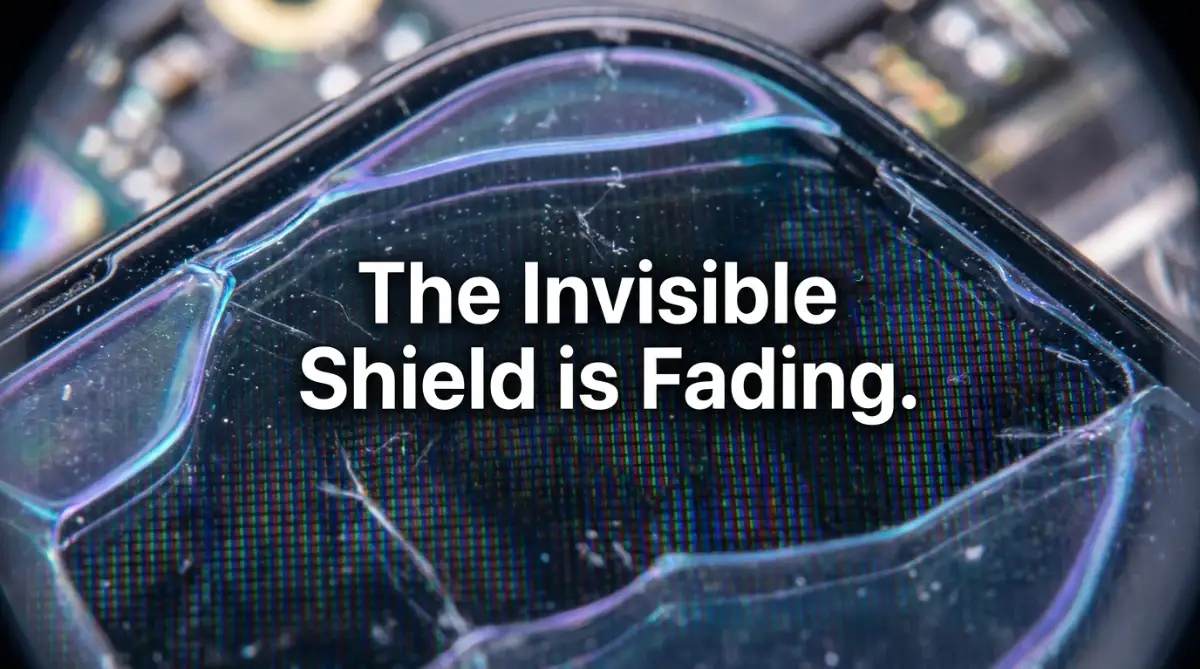
Fast Action Guide for Your Display:
- Ditch the Hand Sanitizer: Alcohol melts the chemical bonds on your screen. Dry your hands completely before touching your device.
- Throw Away the Paper Towels: Wood fibers create thousands of permanent micro-scratches on your display. Only use pure microfiber.
- Do the Water Drop Test: Place a single drop of water on your screen. If it spreads flat like a puddle, your factory coating is officially gone.
- Get a Glass Protector Today: The easiest way to deal with screen friction is to let a cheap tempered glass protector take the daily damage for you.
The Secret Science of the Non-Stick Screen
To truly understand how we are destroying our devices, we need to look at what exactly makes a new screen feel so amazing. Modern smartphone manufacturers do not just leave bare glass exposed to the elements. They apply an incredibly thin, invisible chemical layer called an oleophobic coating.
The word itself explains exactly what it does. "Oleo" means oil, and "phobic" means fear or repulsion. This microscopic layer is specifically engineered to repel the natural oils produced by human skin. It forces oil and sweat to bead up, making them incredibly easy to wipe away with a gentle swipe.
Think of your absolute favorite non-stick frying pan in your kitchen. When that pan is brand new, you can crack an egg into it, and the egg will slide right off without leaving a single trace. Your premium smartphone screen operates on that exact same scientific principle.
However, just like a non-stick pan, this invisible layer is highly sensitive to physical friction and harsh chemicals. If you take a sharp metal fork and aggressively scrape your non-stick pan, you will ruin the chemical barrier forever. Without even realizing it, we are taking chemical "metal forks" to our screens every single day.
When this highly engineered layer degrades, the bare glass underneath becomes exposed. Bare glass is a massive magnet for oil, dirt, and human sweat. Once that coating is gone, no amount of casual wiping will ever make the phone feel premium again.
The Alcohol Wipe Illusion: A Chemical Disaster
The most common and destructive habit usually starts with our desire for perfect hygiene. Over the past few years, we have all developed an intense habit of carrying strong liquid hand sanitizers everywhere we go. We apply it to our hands, and seconds later, we grab our phones to answer a text.
What most people fail to realize is that high-percentage alcohol acts as an incredibly aggressive chemical solvent. Solvents are designed to break down and melt away chemical bonds. Your beautiful oleophobic layer is entirely made of delicate chemical bonds.
Every single time a drop of harsh sanitizer transfers from your thumb to your screen, a tiny microscopic reaction occurs. The alcohol immediately begins dissolving the oil-repelling polymer layer. It does not happen all at once, but over hundreds of daily touches, the protective shield completely melts away.
I learned this painful lesson entirely the hard way during a heavy travel season. I used to aggressively wipe down my entire screen with a strong medical-grade alcohol prep pad every single night. I honestly thought I was being a smart hygiene expert taking care of my expensive tech. Instead, my daily "cleaning routine" stripped the factory coating off my device in less than three weeks.
If you absolutely must disinfect your device, you need to change your approach. You should lightly spray a dedicated tech-safe cleaning solution onto a soft cloth first, never directly onto the glass. The solution should specifically state that it is safe for coated optics and electronic displays.
Are you curious about how these incredible invisible layers are actually bonded to the glass in the factory? Watch this fascinating breakdown of the entire chemical application process that happens before your phone even reaches the box.
The Paper Towel Trap: Hidden Micro-Abrasions
Another incredibly common mistake happens right in the kitchen or the bathroom. You notice a big smudge across your display, so you grab a dry paper towel or a thick tissue to aggressively rub it away. It seems like a perfectly soft and harmless material to use.
However, if you look at a standard paper towel under a powerful microscope, it looks like a rough, jagged piece of lumber. Paper products are literally made from heavily processed wood fibers. When you press a paper towel against your screen, you are essentially dragging tiny, sharp pieces of wood across a delicate chemical film.
This action creates thousands of invisible micro-abrasions on the surface. You will not see massive, deep scratches with your naked eye right away. But over several months, the screen will start to look permanently cloudy, and the smooth, icy feeling will completely disappear.
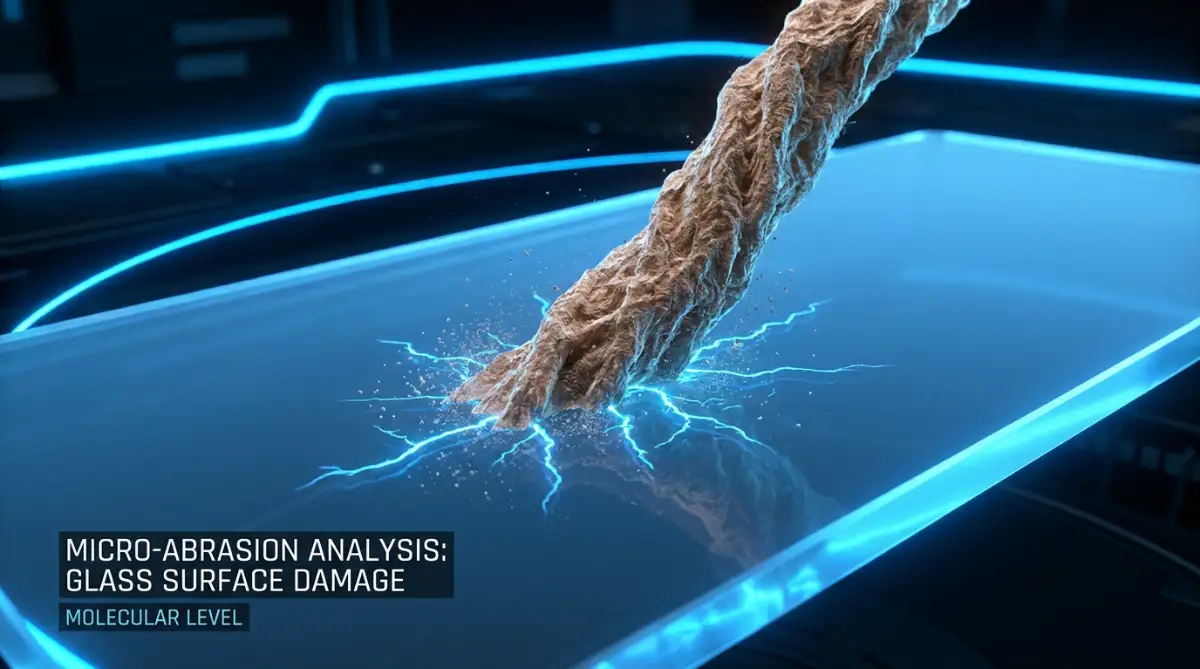
The exact same scientific rule applies to the rough fabric of your favorite denim jeans. Many of us have a deeply ingrained habit of rubbing our screens heavily against our pant legs before putting the phone in our pockets. The thick cotton fibers of denim act exactly like mild sandpaper against the oleophobic polymer.
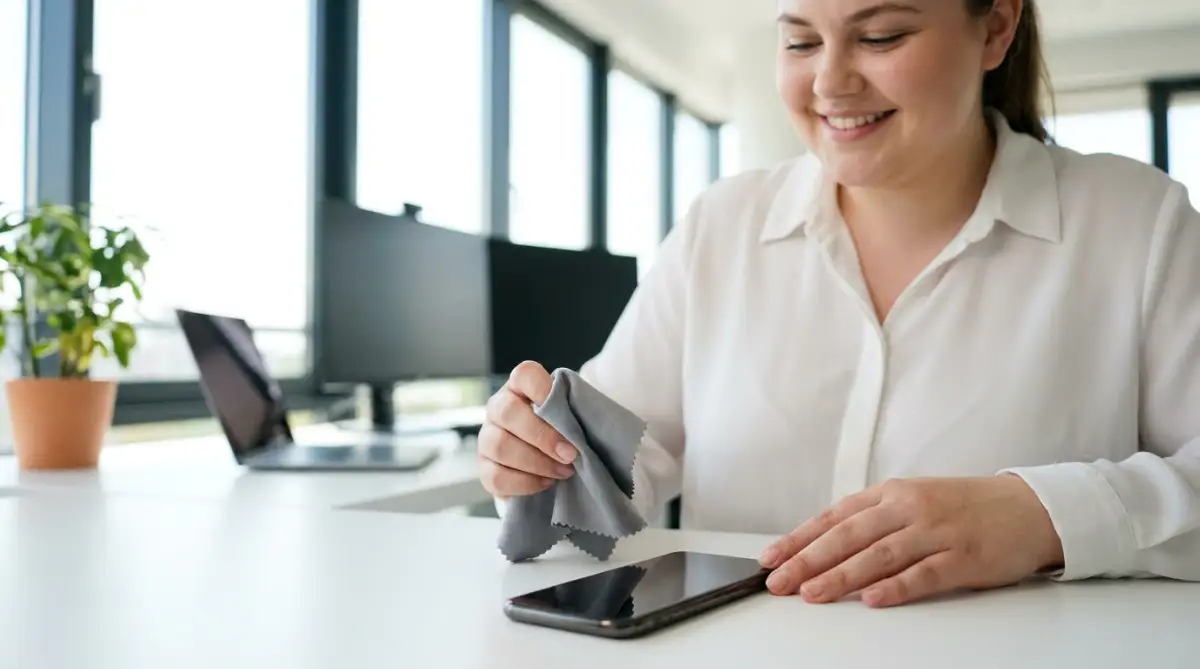
To avoid these micro-abrasions, you must strictly limit your wiping material. The only thing that should ever touch your display to clean it is a clean, premium microfiber cloth. Microfiber is engineered with uniquely soft, split synthetic fibers that gently lift heavy oils instead of aggressively grinding them directly into the glass surface.
The Danger of Household Glass Cleaners
When the screen gets heavily smeared, many people reach straight for the blue window cleaning spray sitting under their kitchen sink. It makes perfectly logical sense at first glance. Your phone screen is made of glass, and window cleaner is literally designed to make glass perfectly clear.
This logic is a massive trap that instantly ruins premium devices. The vast majority of household glass cleaners rely on heavy concentrations of ammonia to cut through window grime. Ammonia is an incredibly corrosive chemical that is completely hostile to synthetic polymers.
When ammonia makes contact with an oleophobic coating, it practically vaporizes the protective layer on contact. A single spray of window cleaner can do more instant damage than a full year of normal finger touches. Your screen will look clean for about five minutes, but it will become a permanent fingerprint magnet forever after.
Even mild dish soaps can be surprisingly destructive to these sensitive displays. Heavy-duty grease-cutting soaps are engineered to completely strip cooked-on fats from dinner plates. Since the coating on your phone is highly reactive to strong degreasers, washing your phone with kitchen soap literally strips its protective identity away.
The Ultimate Screen Cleaning Checklist:
- 🟢 Safe to Use: Premium split-fiber microfiber cloths, distilled water (lightly damped), specialized tech-optic sprays without alcohol.
- 🔴 Toxic to Use: Liquid hand sanitizers, pure rubbing alcohol, household window cleaners, rough paper towels, and heavy dish soap.
You have to completely separate your household cleaning supplies from your tech maintenance tools. A premium phone requires distilled water to softly lift away the daily grime. Distilled water lacks the harsh minerals found in tap water, ensuring absolutely nothing scratches the chemical barrier while you wipe.
The Reality of Environmental Friction
Beyond our aggressive cleaning choices, our phones endure an incredible amount of environmental stress. Think about how many times a day you blindly slide your phone into your tight jeans pocket or a messy handbag. This seemingly harmless storage habit introduces constant, repetitive friction.
Inside your pockets, your phone is constantly rubbing against small, hard particles. Tiny grains of sand, hard pocket lint, and the metal edges of loose coins rub aggressively against the glass with every single step you take. This constant physical grinding slowly buffs the chemical coating right off the edges and the center of the display.
You might have noticed that the edges of your phone screen usually lose their smooth feeling long before the top of the screen does. This uneven degradation happens entirely because the edges endure the most aggressive friction when sliding in and out of tight spaces.
You cannot completely stop friction, but you can definitely manage the damage it causes. The absolute best defense against environmental friction is accepting that the factory coating will not last forever. Applying a high-quality tempered glass screen protector on day one is the smartest move you can make.
Modern premium screen protectors come with their own fresh layer of oleophobic coating baked right into the glass. When that secondary layer eventually wears down from your daily habits, you simply peel it off. You replace it with a brand new one, and your phone instantly feels like it just came out of the factory box again.
Professional Tricks to Keep Your Display Factory-Fresh
Now that we understand exactly how delicate these invisible layers are, we need to talk about proper maintenance. You do not have to treat your phone like a fragile museum artifact to keep it looking amazing. You just need to build a few smart, highly effective habits into your daily routine.
The absolute best way to clean a premium display is using the "breath and wipe" method. Human breath contains just enough pure moisture to loosen surface oils without flooding the device. You simply breathe lightly on the glass and immediately wipe it away with a perfectly clean microfiber cloth.
When dealing with extremely sticky residue, you should use distilled water instead of tap water. Regular tap water contains microscopic minerals like calcium and magnesium that can leave permanent micro-scratches on the glass. You just lightly damp a corner of your cloth with distilled water and gently rub the dirty spot in small circles.
The Water Drop Test for Screen Health
If you are wondering whether your factory coating is already destroyed, you can easily test it right now at home. You just need to place a single, tiny drop of clean water directly onto your phone screen. Do not flood the phone, just use the tip of your finger to place one small bead of water.
If your protective layer is still perfectly intact, that water drop will sit up high and tight like a perfect little dome. It will hold its shape completely because the chemical properties of an oleophobic surface actively push the water molecules away. If you gently tilt the phone, the drop will slide off incredibly fast, leaving no wet trail behind.
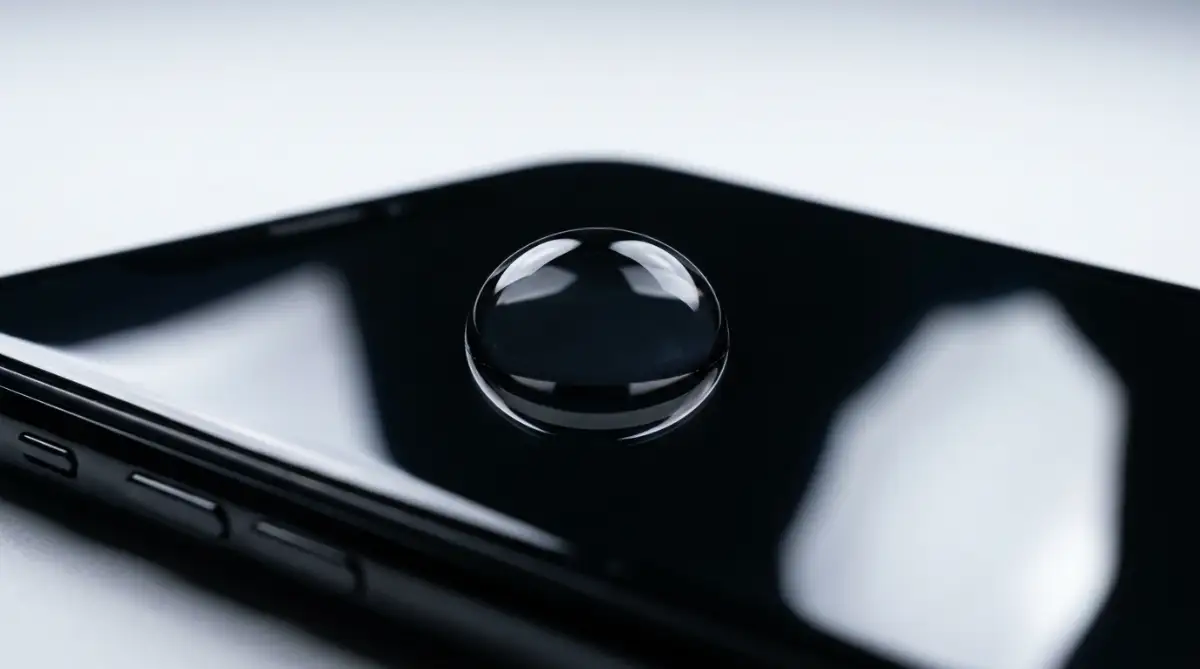
However, if that water drop immediately flattens out and spreads across the glass like a messy puddle, your coating is officially gone. The glass underneath has been exposed, and it is actively absorbing the moisture instead of repelling it. This simple test tells you exactly when it is time to invest in a high-quality tempered glass protector.
Mastering the Microfiber Routine
We talked about using a premium microfiber cloth earlier, but simply owning one is not enough. Most people buy a great cleaning cloth, throw it in the bottom of their backpack, and use it for months without washing it. This is a massive mistake that completely ruins the purpose of the cloth.
When a microfiber cloth sits in your bag, it acts like a magnet for tiny particles of dirt and sand. If you rub a dirty cloth against your screen, you are essentially dragging a handful of gravel across the glass. You must keep your cleaning cloth inside a small, sealed plastic bag to keep it safe from environmental dust.
You also need to wash these cloths regularly using a very specific method. You should never wash your tech cloths with regular laundry detergent or fabric softeners. Fabric softeners leave a greasy, waxy residue on the cloth, which will transfer directly onto your phone screen the next time you use it.
Always wash your tech cloths gently by hand using mild dish soap, and let them air dry completely. Taking care of your physical tech tools is just as important as protecting company data on public networks when you work from a coffee shop. If your screen is too dirty to read your emails properly, your overall productivity will definitely suffer.
The Silent Habits Destroying Your Premium Glass
Even if you follow all the best cleaning rules, you might still be ruining your display through completely normal daily activities. Many of these habits seem entirely harmless on the surface. We do these things automatically without ever thinking about the chemical reactions happening in our hands.
Let me walk you through some of the most common and destructive scenarios I see people fall into. Understanding these hidden traps will save you a massive amount of frustration and money down the road.
The Sunscreen and Cosmetics Trap
Imagine you are having a beautiful day at the beach, and you just applied a thick layer of premium sunscreen. A few minutes later, you grab your phone to take a quick photo of the ocean. This simple, everyday action is an absolute nightmare for your device.
Almost all sunscreens and facial cosmetics contain highly reactive chemical compounds and micro-minerals like titanium dioxide. These ingredients are designed to block UV rays, but they act as a highly abrasive paste against synthetic polymers. When you press your sweaty, sunscreen-covered cheek against your phone to make a call, you are literally melting the protective layer away.
This chemical degradation is completely permanent and cannot be reversed by wiping the screen. According to research on material friction and surface wear, combining heavy physical pressure with harsh chemical pastes accelerates the destruction of thin protective films. You should always wipe your hands clean before touching your premium gadgets, especially during the hot summer months.
The Heat Degradation Problem
We all know that extreme heat is terrible for our phone batteries, but it also actively destroys your screen coating. Many people use their smartphones as GPS devices, mounting them directly onto the car dashboard in the middle of summer. The sun beats down through the windshield, baking the phone for hours.
This extreme, concentrated heat slowly breaks down the chemical bonds of the oleophobic layer. The layer becomes incredibly soft and brittle, causing it to wipe away easily the next time you clean it. Heat damage is a massive issue for all types of electronics, which is why preventing sudden thermal throttling is such a big topic among computer users.
Always try to keep your device in a cool, shaded spot when you are driving or sitting outside. If your phone feels burning hot to the touch, let it cool down naturally before you put it in your tight pocket. The combination of high heat and pocket friction is guaranteed to leave permanent bald spots on your display.
The Toothpaste Scratch Hack Myth
If you search the internet for ways to fix a scratched phone screen, you will inevitably find a deeply terrifying piece of advice. Thousands of popular videos suggest rubbing ordinary mint toothpaste over the glass to buff out scratches. Please listen to me carefully: never, ever put toothpaste on your smartphone.
Toothpaste contains actual microscopic abrasives like baking soda and silica, which are specifically designed to scrub hard plaque off human teeth. When you grind this abrasive paste into your phone glass, it strips off the remaining factory coating instantly. The experts at leading tech repair communities constantly warn users that toothpaste will make your screen look cloudy and permanently ruined.
It might temporarily hide a tiny scratch by filling it with white chalk, but the overall damage is simply not worth it. If your screen is heavily scratched, the only real solution is to cover it with a high-quality glass protector. Trying weird household hacks will only turn a minor cosmetic annoyance into a completely ruined device.
Tech Myth vs. Hard Reality
- The Myth: Rubbing mint toothpaste on your screen fills in tiny scratches and makes the glass look brand new.
- The Reality: Toothpaste is literally filled with microscopic sand and baking soda. It acts like liquid sandpaper and will instantly grind away whatever is left of your factory coating. Never put dental products on your electronics!
Many of my friends destroyed their devices trying to fix tiny flaws while working from home. If you are trying to shift to a remote work lifestyle, your phone and laptop are your primary lifelines. You cannot afford to ruin your main communication tools with silly internet cleaning hacks.
The Hand Sanitizer Obsession
I briefly mentioned alcohol earlier, but we need to talk about the gel-based hand sanitizers specifically. These thick gels are heavily loaded with synthetic fragrances, harsh drying alcohols, and artificial moisturizers. When you handle your phone with damp sanitizer on your hands, this gel gets trapped in the tiny speaker grills and the edges of the glass.
The alcohol evaporates, but the sticky moisturizing chemicals remain permanently glued to the display. This creates a horrible, smudgy film that actively attracts more dust and dirt from the air. You will find yourself caught in an endless loop of wiping the screen, only to make the smudges spread even further.
Your Action Plan for a Flawless Display
Taking care of a premium modern smartphone does not require a degree in advanced chemistry. It simply requires a small amount of mindful awareness about what you are exposing the glass to every single day. We spend a huge portion of our lives staring at these beautiful glowing rectangles, so keeping them clean is totally worth the effort.
You must embrace the reality that the original factory coating is essentially a temporary luxury. No matter how incredibly careful you are, normal human touch will eventually wear the chemical bonds down over a year or two. The smartest choice you can make is to accept this fact and protect the device on day one.
A premium tempered glass screen protector takes all the daily abuse so your actual phone display remains perfect. You get to enjoy that smooth, icy feeling under your fingers, and when it eventually wears out, you just swap it for a new one. It is a brilliant, low-stress way to maintain your tech investments.
Just like you take active steps to secure your personal data on new AI tools, you need to physically protect your expensive hardware. Changing your daily cleaning habits today will completely eliminate the frustration of staring at a greasy, cloudy screen.
I actually stopped carrying aggressive chemical wipes in my bag altogether after I realized what they were doing to my electronics. Now, I just keep a fresh microfiber cloth in my desk drawer, and my phone looks exactly like it did the day I unboxed it. I promise that if you follow these simple rules, you will never have to deal with a stubbornly smudged display ever again.
Frequent Questions About Screen Coating Protection
Can I reapply the oleophobic coating at home myself?
Yes, you can actually buy aftermarket liquid oleophobic coating kits online to restore a damaged screen. You simply drop the liquid onto the clean glass and buff it in smoothly until it cures. While these kits do bring back the smooth feeling, the aftermarket layer usually only lasts a few months compared to the original factory bake.
Do all glass screen protectors come with this special coating?
Almost all premium, name-brand tempered glass protectors come with a high-quality oleophobic layer applied at the factory. However, extremely cheap plastic films or budget glass multipacks usually skip this chemical process to save money. If you buy a cheap protector, your phone will feel sticky and attract massive amounts of fingerprints immediately.
Is it safe to use UV light sanitizing boxes on my phone?
Using a dedicated UV-C light box is actually the absolute safest way to kill heavy bacteria without using harsh liquids. The invisible UV light destroys the DNA of germs perfectly without melting the chemical bonds on your display. Just make sure you buy a high-quality box that does not generate extreme heat while the light is running.
Will a tiny scratch completely ruin the entire protective layer?
A small physical scratch will only remove the protective layer in that exact, specific spot where the glass was damaged. However, the rough edges of a deep scratch can trap natural oils, making the screen look much dirtier around that area. The rest of your display will remain perfectly smooth and repellant as long as you clean it properly.
Disclaimer: The information provided in this article is strictly for educational and informational purposes. The maintenance tips shared are based on general technological best practices and personal experience. Always refer to your smartphone manufacturer's official cleaning guidelines before applying any new liquids or materials to your device. We are not responsible for any accidental damage caused by improper cleaning techniques or aftermarket screen modifications.