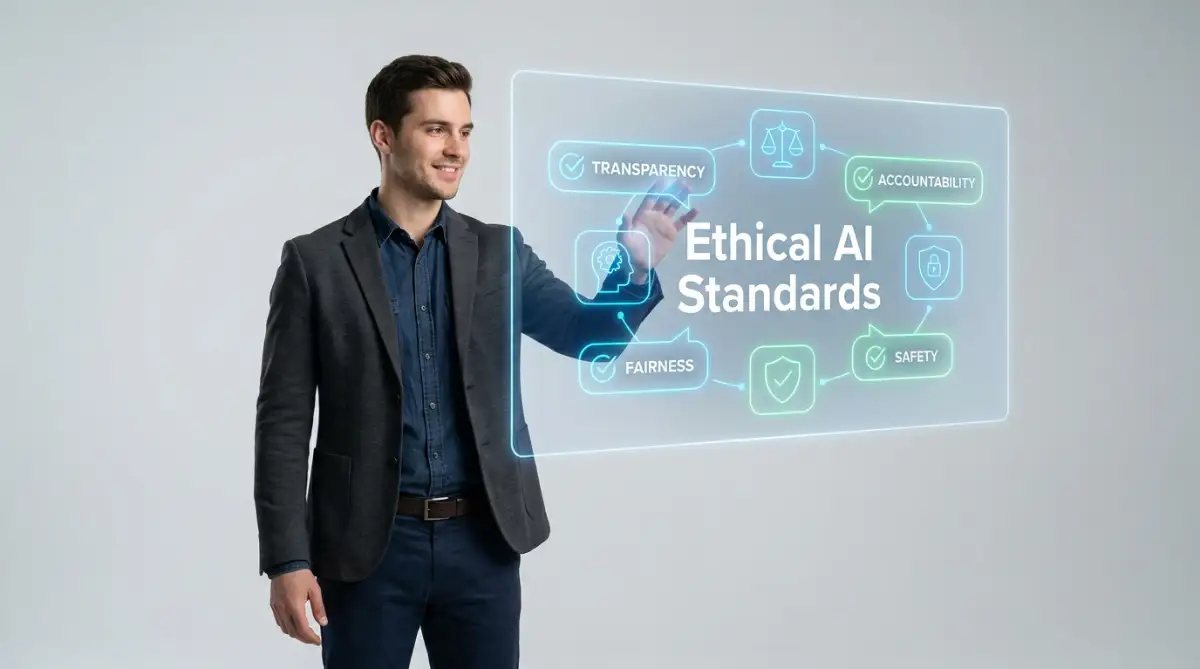
The Hidden Cost of Building Biased Machine Learning Models
Have you ever wondered why perfectly qualified people get instantly rejected by automated job portals? As a developer, I used to think the code we write is completely neutral, but the hard truth is that our algorithms are secretly learning human prejudices. Today, I want to show you exactly how we accidentally build biased machines and, more importantly, the exact steps you can take to stop this from happening in your next software project.
If this machine could blindly reject its own creator, what would it do to thousands of innocent job seekers? This scary realization completely changed my approach to software engineering forever. We often get so excited about building smart machines that we completely forget about the human beings on the other side of the screen.
When algorithmic decision systems lack strong ethical boundaries, real people suffer deeply in their everyday lives. Imagine applying for a home loan to buy a house for your growing family, only to get denied by a cold, faceless machine. You ask the bank manager for a reason, but they just shrug and say the computer made the final call. This exact scenario is happening all over the world right now, destroying dreams and causing immense mental stress.
People are losing out on medical treatments, dream jobs, and fair insurance rates simply because a piece of software learned the wrong lessons from bad data. This lack of fairness creates a heavy emotional burden on ordinary families. They feel completely powerless against invisible digital judges that cannot be reasoned with.
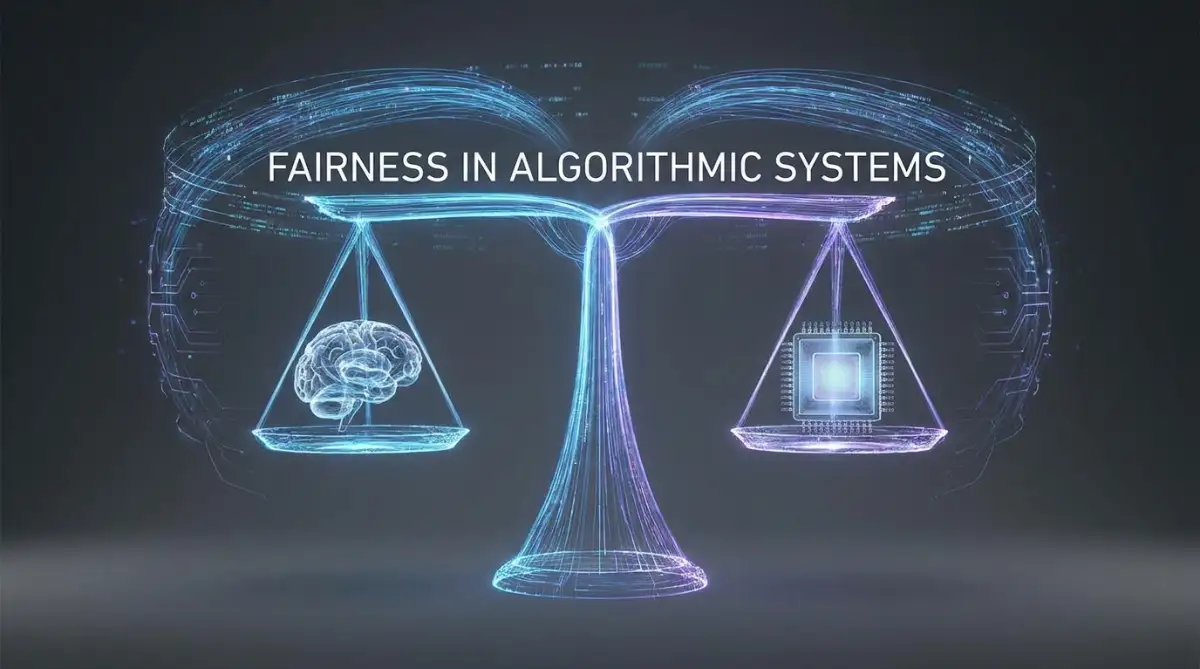
Quick Action Plan for Fair Software:
- Audit your raw historical data early to catch hidden human prejudices before training begins.
- Build strict explainability into your code so users clearly understand every single decision.
- Use a silent "Shadow Testing" phase to safely watch how your algorithm acts in the real world.
- Setup an internal bounty program to actively reward your team members for finding ethical flaws.
A Practical Blueprint for Ethical AI Development
If we want people to trust the software we build, we must completely change how we design these systems from the ground up. You cannot just write smart commands and hope for the best anymore. As developers, we hold massive power in our hands, and with that comes a very real responsibility. We need a clear, actionable plan to make sure our tools help people instead of hurting them.
The good news is that creating fair software is entirely possible if you follow specific, science-backed practices. Let us break down the most essential steps you need to take right now to make your systems safe, transparent, and fair.
1. Eliminating Hidden Prejudices in Your Training Data
The absolute biggest mistake developers make is assuming their raw data is clean and neutral. Machines do not magically understand human fairness on their own. They simply look at historical data and copy whatever patterns they find there.
If your historical data contains human prejudices, your software will quickly learn and repeat those same mistakes. For example, if a company historically hired mostly men for leadership roles, an automated resume screener will naturally assume women are less qualified. This is not because the machine is evil, but because the data itself is deeply flawed.
To fix this, you must actively audit your datasets before feeding them into your model. You need to intentionally look for imbalances in gender, race, age, and economic background. If your data only represents one specific group of people, you must gather more diverse information before moving forward.
You should also use statistical fairness metrics to constantly test your model during the learning phase. If the system starts showing preference toward a specific group, you must stop the training immediately and adjust the weights. Testing for fairness is not a one-time job; it is an ongoing daily process.
[New Content Block 1]:
Real-World Wake-Up Call: Back in 2018, a massive tech company had to scrap a high-profile AI recruiting tool because it taught itself that male candidates were naturally preferable. It actually started downgrading resumes that contained the word 'women’s'. This happens faster than you think if you do not actively monitor your inputs from day one.
2. Designing for Complete Explainability and Transparency
People are naturally terrified of things they cannot understand. If your software makes a highly sensitive choice, like rejecting a credit card application, the user deserves a clear explanation. Building a system that makes decisions in total secrecy is no longer acceptable in the modern software industry.
You must design your architecture so that every single outcome can be easily traced back to its root cause. If a user asks why they were denied a service, your system should instantly generate a human-readable report. This report needs to show exactly which data points heavily influenced the final outcome.
Explainability builds massive trust with your user base. When people see exactly how a choice was made, they are much more likely to accept the result, even if it is not what they wanted. Think of it like a math test; teachers always ask you to show your work so they know you did not cheat. Your software needs to show its work, too.

A quick introduction to understanding algorithmic transparency in action:
If you want to see exactly how big tech companies are making their complex models easier to understand, check out this incredible breakdown. It shows you the exact tools you can use to force your software to explain its choices clearly.
3. Making Data Privacy Your Default Setting
Information security is no longer just an afterthought; it must be the very foundation of your entire project. Algorithmic decision systems require massive amounts of personal information to function properly. However, collecting this information without strict security measures puts your users at extreme risk.
You should always practice data minimization right from the very first day of development. Only collect the exact pieces of information you absolutely need to make the tool work. If your software helps people pick a diet plan, it certainly does not need to know their exact home address or financial history.
Furthermore, you must anonymize all sensitive profiles before they ever reach the training phase. By stripping away real names, emails, and phone numbers, you protect your users just in case a bad actor breaks into your servers. If a hacker manages to steal the dataset, they will only find scrambled, useless numbers instead of real human identities.
Always give your users a massive, highly visible button to delete their entire history from your servers. Respecting user consent is the fastest way to prove that your company genuinely cares about human rights.
4. Myth vs. Reality in Machine Learning Ethics
It is very easy to get confused by the endless rumors surrounding automated systems. Let us clear up some of the most common misunderstandings in the software community using a simple breakdown.
As you can clearly see, holding onto these old myths will only set your project up for massive failure. Understanding the reality of the situation is the only way to build tools that genuinely succeed in the market.
5. Enforcing Strict Human Oversight (The HITL Approach)
No matter how advanced your software becomes, it should never have the final say in life-altering situations. You must always keep a trained human being in the loop to review highly sensitive choices. Machines are great at finding patterns, but they completely lack human empathy and common sense.
Let us say your algorithm detects possible fraudulent activity on a user's bank account. Instead of instantly freezing the account and locking the user out of their money, the system should simply flag the account for human review. A trained security agent can then look at the context and make a fair, balanced decision.
I learned this lesson the hard way during a previous project.
I once let an automated system automatically ban user accounts for suspicious login attempts without any human review. I quickly realized my mistake when a furious customer emailed me because my system had permanently banned him just for logging in while on a family vacation. From that day forward, I always made sure a real person had the final approval power over destructive actions.
This combination of machine speed and human empathy is truly the golden standard for software development. The algorithm does the heavy lifting by sorting through millions of records, and the human provides the necessary emotional intelligence.
6. Establishing Clear Lines of Accountability
When an automated tool makes a terrible mistake, someone must take the responsibility to fix it. A major problem in the tech world today is the blame game. The programmers blame the data scientists, the data scientists blame the managers, and the managers blame the machine itself.
This lack of accountability creates a toxic environment where nothing ever gets fixed. To prevent this, your company needs to create a clear chain of command before writing a single line of logic. Everyone on the team needs to know exactly who is responsible for monitoring fairness, who handles security, and who audits the final results.
If an algorithm unfairly denies a group of people, there must be a designated team ready to shut the system down instantly. You need clearly documented emergency protocols in place. Treating your automated systems like heavy industrial machinery is a great mindset; if the machine starts malfunctioning, you hit the big red emergency stop button.
7. Creating Inclusive User Feedback Loops
Your users are actually your best testers when it comes to finding hidden issues in your software. No matter how much you test in the lab, real-world deployment will always uncover strange edge cases you never thought of. Therefore, you must create extremely simple ways for users to report strange or unfair behavior.
If a user feels they were treated poorly by the automated system, they should have a direct line to your support team. Do not hide your contact forms deep inside the settings menu. Make the appeal process highly visible and incredibly easy to use.
When you start receiving feedback, you must actually listen to it and take immediate action. If multiple users report the exact same unfair outcome, treat it as a critical system bug, not just a simple complaint. Regular people often spot logical errors much faster than the engineers who built the system, because the users are the ones directly feeling the impact.
8. Conducting Regular Third-Party Audits
It is very hard to spot your own mistakes when you have been staring at the same project for months. This is exactly why you need outside experts to review your automated decision systems regularly. Hiring independent auditing firms brings a fresh, unbiased perspective to your project.
These external teams will aggressively test your software against the latest legal and ethical standards. They will try to break your privacy walls, trick your algorithm into showing bias, and expose your weak points. While this might sound intimidating, it is actually the best possible thing for your product's long-term health.
Finding a massive flaw during a private audit saves you from the absolute nightmare of a public relations disaster later on. Think of these audits as regular health checkups for your software. You would not ignore a strange pain in your body, so you should not ignore potential vulnerabilities in your most important business tools.
Mastering Long-Term Algorithmic Fairness Like a Pro
Understanding the basic rules of machine learning ethics is a great starting point, but maintaining that fairness over time requires real dedication. It is surprisingly easy for an automated system to behave perfectly on day one, only to start acting strangely a few months later. To keep your software reliable, you need to treat fairness as a living, breathing part of your daily workflow.
I have seen countless development teams build amazing products, only to watch them fall apart because they stopped monitoring the data. You simply cannot launch a smart application and walk away hoping for the best. To truly protect your users, you must adopt some advanced habits that industry experts use behind closed doors.
Here are a few powerful strategies you can start applying to your development routine today.
Implement a Continuous "Shadow Testing" Phase
One of the smartest things you can do before fully launching a new decision model is to run it silently in the background. We call this shadow testing, and it is an incredibly safe way to see how your software performs in the real world. During this phase, the new algorithm makes choices alongside your older system, but its decisions are never actually shown to the end user.
This gives you a risk-free environment to compare the new results against historical data. If the shadow system starts rejecting a specific group of users unfairly, nobody gets hurt because the system is not actually live yet. You can simply pull the plug, study the flawed logic, and fix the underlying weights.
Running these silent tests helps you understand exactly how AI learns to understand human emotions and behaviors without risking your company's reputation. You should let the shadow test run for at least a few full business cycles to capture different types of user behavior.
Launch an Internal Bias Bounty Program
You are probably already familiar with bug bounty programs, where companies pay hackers to find security flaws in their code. You should take that exact same concept and apply it to algorithmic fairness. Invite your internal team members, or even trusted external testers, to intentionally try and break your system's ethical boundaries.
Encourage them to feed the software weird edge cases, confusing data combinations, and unexpected user profiles. Offer a reward to anyone who can force the machine to make a biased or unfair decision. When you reward people for finding ethical loopholes, you create a culture that actually cares about doing the right thing.
Many leading organizations are now adopting official AI risk management guidelines that highly recommend this type of adversarial testing. It forces developers to think like the bad guys, which ultimately makes the software much stronger.
Shift Your Team's Mindset Toward Data Responsibility
The best algorithms in the world are built by developers who genuinely understand the massive impact of their work. If your team only cares about writing clean code and ignoring the human element, your project will eventually fail. This is exactly why traditional developers need to learn machine learning right now, so they can grasp the full picture of modern software.
When a developer understands how a single bad line of logic can ruin a user's life, they naturally become much more careful. You should hold regular meetings where you discuss the real-world consequences of your product. Read customer support tickets together and talk about the people who rely on your tools every single day.
If you want to maintain a high standard of trust, your team must also practice aggressive data hygiene. This includes safely wiping data from your premium gadgets and servers once that information is no longer needed. Holding onto old, outdated user profiles is a massive security risk that offers zero benefit to your software.

Dangerous Pitfalls That Will Destroy Your Software
When developers try to implement ethical standards for the first time, they often stumble into a few common, very dangerous traps. Building fair software is not just about checking boxes on a legal form; it requires deep empathy and constant vigilance. Let us talk about the disastrous mistakes that can completely wreck your user trust and leave you facing massive public backlash.
If you ignore these warnings, you are essentially driving a car down the highway while wearing a blindfold. The crash is not just a possibility; it is an absolute guarantee.
Treating Ethics Like a Simple Legal Checkbox
The most damaging mistake I see companies make is treating fairness like a boring legal chore. They hire a lawyer to draft a privacy policy, run a single bias test, and then proudly declare their software is ethically sound. This arrogant mindset completely ignores the reality of how dynamic data actually is.
When you treat ethics as an afterthought, your users will feel it immediately. Imagine a medical application that helps doctors prioritize patients for emergency surgery. If the development team only tests the system once, it might slowly start prioritizing wealthy patients over time due to hidden income data.
This is not a harmless bug; this is a catastrophic failure that literally puts human lives in danger. You must integrate recognized computing ethics standards deeply into your daily coding habits, not just at the very end of the project. Fairness is a continuous journey, not a final destination.
Falling Victim to the "Automation Bias" Trap
Automation bias happens when human beings blindly trust a machine simply because it looks smart and complex. We have been conditioned to believe that computers do not make mistakes, which is a highly dangerous illusion. When your team starts believing the algorithm is always right, they stop questioning the outputs.
I have seen managers completely ignore screaming warning signs just because the dashboard showed a green checkmark. If a human reviewer constantly overrides their own common sense to agree with the software, your human-in-the-loop system is completely broken. You must actively train your staff to challenge the machine's logic every single day.
A great way to combat this is to intentionally show your review team the machine's confidence score alongside its decision. If the software is only 65% sure about a choice, the human reviewer will naturally look at the case with much more suspicion.
[New Content Block 2]:
Expert Pro-Tip: Try setting a hard rule in your code: if a machine decision drops below an 85% confidence score, it automatically pauses and routes the case to a human dashboard. This simple safety net saves you from making embarrassing automated mistakes that completely ruin customer trust.
Ignoring the Silent Threat of Data Drift
The world changes constantly, and the data your software uses to learn will change right along with it. A model that was perfectly fair and accurate at launch can become heavily biased just a few months later. This phenomenon is known as data drift, and it is a silent killer of algorithmic integrity.
For example, a recruiting tool trained on historical hiring patterns might completely break during a massive economic shift. If people suddenly start changing careers faster than before, your old training data becomes completely useless. Your algorithm will start rejecting perfectly good candidates simply because their resumes look slightly different from the old normal.

To prevent this nightmare, you must establish strict rules for when a model needs to be retrained. You cannot just leave your automated tools running on autopilot forever. Regular maintenance is non-negotiable if you want to avoid controlling public data exposure disasters.
Building Products with a Homogeneous Team
You simply cannot build a globally fair product if everyone on your development team looks, thinks, and lives exactly the same way. When a team lacks diverse perspectives, they will naturally build a tool that only works well for people exactly like them. This is not usually done on purpose, but the end result is still deeply unfair.
If your entire engineering team consists of young men from a specific city, they will likely miss edge cases that affect older women from rural areas. A diverse team acts as a natural defense system against hidden biases. They will spot offensive logic and unfair assumptions long before the code ever reaches production.
Investing in a diverse workforce is the absolute best insurance policy against accidental discrimination. The academic research on algorithmic fairness clearly shows that inclusive teams build much safer, more profitable products.
Your Action Plan for Building Trustworthy Technology
We have covered a massive amount of ground today, and I know changing your entire development process can feel a bit overwhelming. But remember, you do not have to fix every single problem by tomorrow morning. The goal is to start taking small, intentional steps toward a much fairer future for your users.
Start by simply looking at your current project and asking yourself who might be getting left behind. Begin auditing your training data for obvious imbalances, and start testing your software with completely fresh eyes. Talk to your team about the real people using your products and remind them of the heavy responsibility you all share.
Even making small adjustments, like adding better legal guidelines for data processing to your internal wiki, can make a huge difference. Every single step you take toward transparency builds a stronger, more resilient relationship with your customers. They will reward your honesty with deep loyalty and long-term support.
I know exactly how hard it is to pause a fast-moving project to check for ethical blind spots, because I used to hate doing it myself. But my whole perspective shifted when I finally realized that writing fair code is the ultimate form of respect for the people who trust me. Take a deep breath, review your data honestly today, and watch how much better your software becomes tomorrow.
Common Questions About Algorithmic Integrity
What happens if an algorithm is found to be biased after launch?
If bias is discovered after launch, you must immediately pause the automated decision feature to prevent further harm. Then, your team needs to trace the error back to the training data, remove the biased weights, and issue a clear apology to affected users. Trying to quietly hide the mistake will only destroy your company's reputation permanently.
Can we ever build a completely objective machine?
No, building a completely objective machine is practically impossible because human beings create the data. Every dataset carries the subtle preferences, historical habits, and blind spots of the people who gathered it. The best we can do is constantly monitor our systems and aggressively minimize those human flaws.
Who is legally responsible when automated software fails?
In most cases, the company that developed and deployed the software holds the legal responsibility for its failures. You cannot simply blame the machine or the math in a court of law when real people suffer damages. This is exactly why maintaining strict human oversight and clear accountability protocols is so necessary.
How do I test my dataset for hidden prejudices?
You can start by deliberately checking how your data represents different genders, races, ages, and income levels. If one group represents 80% of your data, you have a massive imbalance that needs to be fixed immediately. You should also use open-source fairness tools to scan your records before feeding them into the learning model.
Does adding fairness checks slow down software performance?
While adding fairness checks might add a little extra time to your initial development cycle, it does not ruin live performance. In fact, writing cleaner, more intentional logic usually makes your software run much smoother in the long run. The few extra days you spend testing for ethics will save you months of painful bug-fixing later.
Disclaimer: The information provided in this article is for educational and informational purposes only. It does not constitute legal or professional compliance advice. Always consult with a certified legal professional or a dedicated compliance officer before launching automated systems in heavily regulated industries.