My Personal Panic Over Machine Learning
You finally post a piece of writing or a personal drawing online, and instantly a weird thought hits you: Is some giant computer program reading this right now? I used to freak out about this exact thing. I thought greedy tech companies were quietly downloading everything I ever made. But after digging into how this stuff actually works behind the scenes, I realized we are not as helpless as we think. Let me show you what these machines are really doing, and how you can easily block them from touching your stuff.
You have probably felt that exact same wave of anxiety when reading the latest tech news. We see headlines every single day about massive computer programs consuming billions of words, images, and videos. It naturally makes us wonder if our private blogs, family photos, or late-night thoughts are being sucked into a machine.
However, after spending months researching how top-tier technology companies actually operate, my perspective completely shifted. I realized that the best tools on the market are not built by digital thieves hiding in dark basements. There is a massive difference between reckless data scraping and building a highly responsible, ethical machine-learning tool.
Once you see the strict rules these companies follow, that heavy feeling of panic starts to fade away. You begin to understand that teaching a computer program can actually be done with deep respect for human creators.
What You Need to Know Fast:
- Good software companies actually pay real artists and use free public archives to teach their programs.
- You can protect your website easily by adding a small "robots.txt" file to block automated scrapers.
- Never intentionally spell things wrong to confuse a computer; it only hurts your human readers.
- Always check the privacy settings on your social media apps to turn off data-sharing features.
Breaking Down the Reality of Honest Data Collection
To fix this widespread fear, we need to completely pull back the curtain on how these popular tools are actually made. Teaching a computer program to write a poem or draw a picture is a fascinating process. It does not have to involve stealing from hardworking people.
The most responsible software companies follow incredibly strict guidelines before they even let their programs look at a single piece of information. They treat data collection like building a highly secure public library, where every single book is carefully checked and legally acquired. Let us explore exactly how these companies gather their massive collections while keeping your personal life safe.

Relying on the True Public Domain
The safest and most common starting point for teaching any artificial intelligence is the public domain. This refers to creative works, books, and images that are completely free of copyright restrictions. When a company uses public domain information, they are using resources that belong to absolutely everyone.
For example, a machine reading the classic works of Shakespeare or studying ancient historical paintings is completely fair game. These materials have no living owners, meaning nobody is losing money or credit when a machine studies them. By focusing heavily on these public archives, tech companies can give their programs a massive vocabulary without stepping on anyone's toes.
This process is exactly like sending a student to a free public library to read historical encyclopedias. The student learns the basic rules of grammar, history, and art without ever stealing a single modern textbook. This forms the absolute safest foundation for any new generative model.
Quick Look: Ethical vs. Shady AI Companies
| What the Company Does | Ethical AI Builders | Shady Tech Scrapers |
| :--- | :--- | :--- |
| Where they get data | Pays for licenses & uses the public domain. | Scrapes random blogs and social media. |
| Personal Info | Uses heavy software filters to delete names/emails. | Does not care; saves whatever it finds. |
| Opting Out | Respects your "Do Not Train" settings instantly. | Hides the opt-out button or ignores it completely. |
The Power of Licensed Partnerships
Of course, a machine cannot just learn about the world by reading books from two hundred years ago. To understand modern language, current events, and modern art styles, they need access to up-to-date information. This is where highly ethical software builders step up and actually open their wallets.
Instead of secretly copying news articles, responsible companies sign massive financial contracts with news organizations, stock photo websites, and publishers. They literally pay millions of dollars to legally rent access to these high-quality libraries. This creates a highly positive relationship where the original creators actually get paid for their contributions.
I used to think my small writing blog was invisible to these massive tech corporations, leaving me completely unprotected. My true realization came when I learned about direct licensing agreements; finding out that good companies actually pay for premium archives made me respect the technology so much more.
When an AI company pays a stock photo website for their entire catalog, the photographers on that site usually receive a cut of the profits. This proves that we can build incredibly smart tools while still supporting the human economy. It turns a scary situation into a brand new business opportunity for artists and writers.
Stripping Away Personal Identities
One of the biggest fears people have is that a chatbot will suddenly blurt out their home address or phone number. Ethical companies are hyper-aware of this terrifying possibility, and they have built massive defensive walls to prevent it. Before any raw text is fed into the learning machine, it goes through a heavy scrubbing process.
This scrubbing process uses specialized software to actively hunt down personally identifiable information. If it finds a social security number, a private email address, or a personal phone number, it instantly deletes it. The original text is completely sanitized, leaving only the basic language patterns behind.
If you are struggling to picture how this massive sorting process actually works, watch this brilliant visual breakdown that explains ethical data filtering in the simplest way possible.
Think of this process like redacting a highly classified government document with a thick black marker. By the time the computer program actually reads the document, all the sensitive human details are completely gone. The machine learns how to structure a proper sentence, but it learns absolutely nothing about you as an individual.
Teaching Machines with Fake Reality
One of the most exciting breakthroughs in modern software development is the use of synthetic information. Instead of relying purely on human writing or human photos, engineers are now using machines to create brand-new teaching materials. They basically use an older, safe computer program to generate fake scenarios to teach a newer program.
Imagine you want to teach an AI how to detect fraud in banking transactions. Instead of using real banking records from real people, the engineers generate millions of completely fake, imaginary bank transfers. The new model studies these fake transactions and learns exactly how fraud works.
This method is incredibly powerful because it involves zero risk to actual human beings. The data is one hundred percent artificial, meaning privacy concerns are completely eliminated from the start. As this technology gets better, companies will need to rely less and less on human-created content.
Honoring the Opt-Out Requests
A truly ethical approach to software development means giving regular people a clear voice in the process. Many artists and website owners simply do not want their work studied by machines, even if it is legally allowed. The best companies in the industry respect these boundaries by providing very simple opt-out mechanisms.
Website owners can easily add a tiny piece of text to their site's background code that acts as a digital "Do Not Enter" sign. When an ethical data-gathering robot sees this sign, it immediately turns around and leaves the website alone. It takes this rejection seriously and moves on to find information elsewhere.
Furthermore, many platforms now feature a simple toggle switch in your account settings. With one simple click, you can tell the platform not to use your uploaded photos for any future training purposes. Giving users this easy level of control builds massive trust between the community and the developers.
My 2-Minute Opt-Out Checklist:
Want to stop platforms from using your stuff right now?
- Instagram/Facebook: Go to Settings > Privacy > Generative AI Features, and turn the toggle off.
- Your WordPress Blog: Search your plugin store for a free "Block AI Scrapers" tool. It takes 30 seconds to install.
- Adobe Creative Cloud: Go to your account privacy settings and uncheck "Content Analysis."
The Heavy Human Filter
You might assume that once the information is gathered, the machines just learn entirely on their own in the dark. In reality, the most reliable models are heavily guided by teams of real, living human beings. This concept is often called human-in-the-loop training, and it is absolutely essential for safety.
Real people sit down and carefully review the answers the machine is trying to give. If the machine generates something biased, rude, or factually wrong, the human reviewer corrects it immediately. The human acts exactly like a strict school teacher, punishing bad behavior and rewarding good behavior.
This human touch ensures that the software understands human values, empathy, and common sense. It prevents the machine from developing strange or toxic behaviors based on weird internet slang. By keeping humans heavily involved in the grading process, companies guarantee the final product is genuinely helpful to society.
Understanding the Recipe Book Analogy
To truly grasp how these programs learn without actually stealing, you have to change how you think about memory. When a computer program studies a million paintings, it does not save a copy of those paintings on a hard drive. It simply studies the mathematical relationships between colors, shadows, and brush strokes.
Think of it exactly like a human chef reading a hundred different recipe books at the public library. The chef does not steal the actual physical cakes from the bakery, nor do they photocopy the books. They simply learn the core concept of how flour, sugar, and eggs work together.

When that chef goes home and bakes a completely new cake, they are not stealing from the original authors. They are simply applying the general knowledge they absorbed to create something fresh. Generative models operate on this exact same mathematical principle, creating new patterns based on learned experiences.
Why Transparency Reports Build Trust
For a long time, tech companies treated their data collections like highly guarded state secrets. Nobody knew what was inside them, which naturally caused massive public suspicion. Today, the most respected players in the artificial intelligence space publish detailed transparency reports.
These reports act like a nutritional label on the back of your favorite cereal box. They clearly list the broad categories of information the system was fed, such as academic papers, public domain books, and licensed news. They also explain exactly how they filtered out toxic content and protected user privacy.
When a company is brave enough to share these details, it proves they have nothing dirty to hide. It allows independent researchers and journalists to verify that the company is playing by the rules. This open honesty is slowly transforming a highly feared technology into a universally respected tool.
Fair Compensation for Specialized Knowledge
Sometimes, building a highly specialized tool requires knowledge that you simply cannot find on a free website. If a company wants to build a medical assistant tool, they need verified knowledge from real doctors. In these ethical setups, companies directly hire thousands of experts to write original answers for the machine to study.
These professionals are paid highly competitive wages to sit down and teach the machine how to handle complex situations. A registered nurse might spend hours typing out perfect examples of how to gently speak to a worried patient. The machine learns from these custom-made, paid interactions rather than scraping random medical forums.
This creates a brand new job market where human expertise is highly valued and financially rewarded. It proves that the future of software development does not have to destroy human jobs. Instead, it can create thousands of new opportunities for people to act as specialized digital tutors.
Master-Level Strategies for Protecting Your Creative Assets
Once you understand the basic rules of how machine learning works, you can take active steps to protect your personal work. You do not have to sit back and simply hope that big technology companies will respect your boundaries. There are several highly practical methods you can use today to tell these programs to leave your art alone.
The most powerful tool in your defense kit is a tiny, almost invisible file called robots.txt that lives on your website. This simple text file acts like a digital bouncer standing at the front door of your blog. When an automated data-collecting robot visits your site, it is legally and ethically required to read this file first.
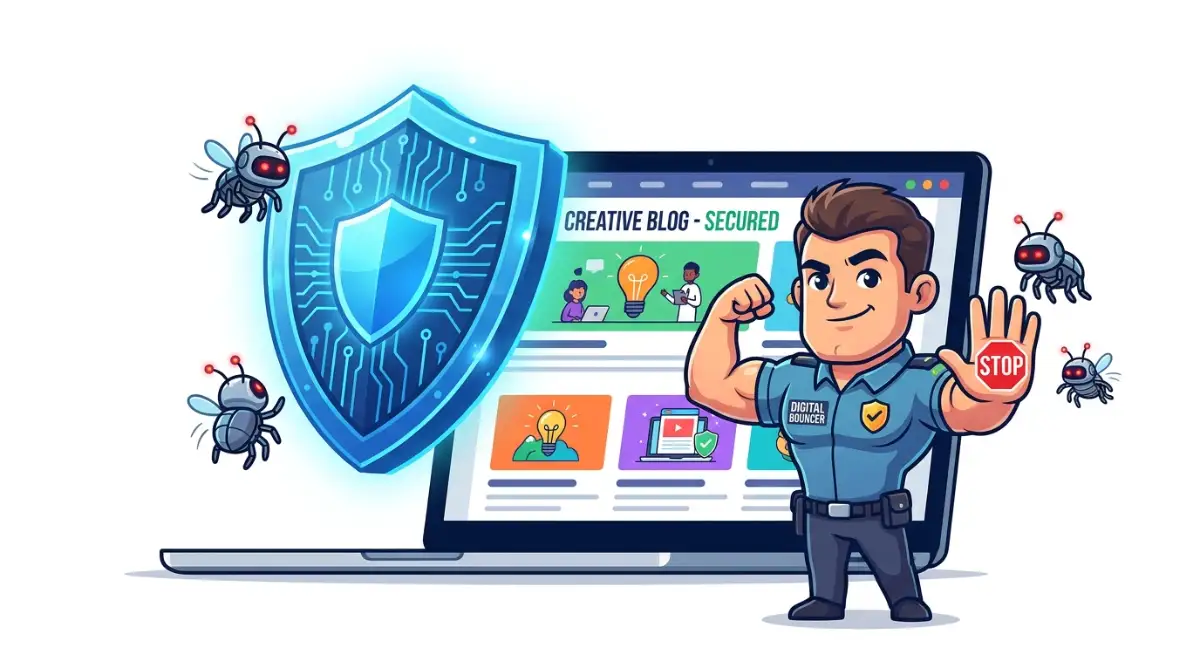
By adding a few simple lines of text to this file, you can block the biggest data scrapers from looking at your content. Most reputable tech organizations absolutely respect these digital bouncers because ignoring them ruins their public reputation. If you are deeply worried about the hidden risks of adding automated tools to your website, setting up your blocking file is your first priority.
The Invisible Shield of Metadata
Another brilliant strategy involves using something called metadata to permanently attach your name to your creations. Think of metadata exactly like writing your full name in permanent marker on the inside collar of your favorite jacket. When you take a photo with your camera or export a drawing from Photoshop, this invisible information is saved inside the file.
You can easily edit this metadata to clearly state that your work is fully copyrighted and not available for machine learning. The best ethical developers actively scan for these digital tags before they ever download an image for their software. The Creative Commons organization provides amazing free tools to help you correctly license your work and communicate your wishes clearly.
By properly tagging your files, you create a permanent paper trail that proves exactly who owns the content. Even if someone accidentally shares your photo on a different website, your protective metadata travels along with it. This creates an incredibly strong safety net around everything you publish on the internet.
Navigating the Open Source Community
As you dive deeper into this topic, you will hear a lot of debates about transparent software development. Some of the most ethical tools on the market are actually built entirely in the open by massive groups of volunteers. If you are curious about this community, breaking down open-source software architecture for beginners reveals how completely transparent these projects really are.
In an open-source project, anyone in the world can look closely at the exact information the machine studied. This incredible level of transparency means that if a developer tries to sneak stolen data into the system, the community instantly catches them. The public nature of the project acts as a massive neighborhood watch program for digital ethics.
When you choose to support transparent, community-driven projects, you are directly supporting fair data practices. These public tools often rely entirely on strictly public domain materials and freely given consent from willing artists. Supporting these honest creators forces the larger, secretive tech companies to improve their own ethical standards.
Protecting Sensitive Client Information
If you work as a freelancer, your responsibility goes far beyond just protecting your own personal blogs or drawings. You are actively handling private information, financial records, and unpublished ideas that belong to other people. Feeding a client's private business strategy into a public chatbot to check your grammar is a massive violation of trust.
When you are working with global clients without losing sleep, you must guarantee their data stays completely out of the machine learning pool. You should always opt out of data sharing in your software settings before you type anything related to your daily work.
Smart professionals use specialized enterprise versions of these tools that legally guarantee complete data privacy. These paid versions ensure that your conversations are instantly deleted and never used to teach the main public system. Setting these strict boundaries is the absolute best way to maintain your professional reputation.

The Worst Missteps Creators Make With Their Digital Footprint
Even when people have the best intentions, they often accidentally invite these data-hungry programs straight into their personal lives. It is incredibly easy to make a small mistake that gives away your legal rights without even realizing it. Let us look closely at the most common traps everyday creators fall into and exactly how you can avoid them.
Blindly Accepting Social Media Updates
We all do it; a massive wall of legal text pops up on our favorite app, and we instantly click the "Accept" button just to see our messages. This seemingly harmless habit is exactly how millions of people accidentally surrender their personal photos to training algorithms. Many popular social platforms have quietly updated their rules to claim ownership over your uploaded content for machine learning purposes.
Real-Life Scenario: Imagine spending three weeks painting a beautiful digital portrait and happily posting it to your favorite social feed. Because you did not uncheck the hidden privacy box in your account settings, the platform legally feeds your masterpiece straight into their new software tool. You basically gave them free permission to study your unique art style.
To prevent this heartbreak, you must regularly dig into the deep privacy menus of every single app you use daily. Look closely for any toggles related to "product improvement" or "content analysis" and turn them completely off. If a platform refuses to let you opt out, it might be time to move your portfolio to a more respectful website.
Misunderstanding How Algorithms Actually Read
Many writers panic and try to trick the software by intentionally misspelling words or using confusing grammar on their blogs. They think that if they write badly, the machines will get confused and refuse to learn from their articles. This strategy completely misunderstands the magic of how natural language processing actually learns human speech.
These advanced systems are incredibly smart and can easily filter out typos, slang, and formatting errors. By intentionally ruining your own writing, you do not hurt the machine at all. You only end up frustrating your real human readers who just want to enjoy your story.
Instead of playing silly games with your text, focus entirely on using the proper digital blocking methods we discussed earlier. Your human audience deserves your absolute best work, and you should never degrade your art out of fear. Clear communication combined with strong background security is always the winning combination.
The Danger of Sideloading Fake Applications
The internet is completely flooded with exciting new mobile apps promising to turn your selfies into magical digital avatars. People get so excited by these trends that they download unverified apps from random websites outside the official stores. This risky behavior exposes you to the hidden dangers of sideloading unofficial mobile apps.
Many of these trendy, unofficial applications are actually just sneaky data vacuums built by malicious actors. When you upload twenty pictures of your face, they do not just make a cute avatar; they sell your biometric data to the highest bidder. They completely bypass all ethical guidelines and use your face to train highly questionable software programs.
You must treat your camera roll like a highly secure bank vault. Only download verified creative applications from official stores, and always check how your smartphone manages background permissions. If a free photo app demands access to your entire contact list and location data, delete it immediately.
Ignoring Copyright Registration Realities
There is a huge misconception that simply typing "Do Not Use" in your Instagram bio offers real legal protection. Unfortunately, a random sentence in your profile does not mean anything in a court of law. If you want true protection for your most valuable work, you have to follow official legal channels.
The US Copyright Office is constantly updating their rules regarding how human art interacts with automated systems. If you create something truly valuable, registering it officially gives you massive leverage if a company steals it. It transforms a vague internet complaint into a serious legal demand.
You do not need to register every single casual sketch or quick tweet you post online. However, for your major projects, books, and professional photography, official registration is worth every single penny. It is the absolute best way to keep your most valuable information secure from corporate scraping.
Falling for the "Data Poisoning" Trend
Recently, some developers have created tools that promise to invisibly scramble your photos before you upload them. The idea is that if a machine downloads your picture, this hidden digital poison will break the learning algorithm completely. While this sounds like an awesome secret weapon for creators, it is actually incredibly risky.
First of all, massive tech companies are already developing easy ways to wash this digital poison off your files. According to deep industry analysis from the MIT Technology Review, relying on these experimental tools offers a very false sense of security.
Secondly, adding weird code to your image files can sometimes break how they display on older mobile phones or regular web browsers. You might accidentally make your own portfolio completely unviewable for potential human clients. It is always better to rely on strong legal boundaries and clear metadata rather than playing a risky game of digital sabotage.
Your Action Plan for Tomorrow
We have covered a massive amount of ground today regarding the reality of machine learning and personal data. It is completely normal to feel a little overwhelmed by all this technical information, but you absolutely have the power to protect yourself. You do not need to delete your social media accounts and hide in a cave to stay safe in the modern world.
The smartest thing you can do right now is take a deep breath and start auditing your digital life one step at a time. Start by checking the privacy settings on your most frequently used social media applications tonight. Turn off any data-sharing features, update your website blocks, and begin watermarking your professional creations properly.
By taking these small, intentional steps, you are actively building a massive protective wall around your hard work. You can continue to share your beautiful stories and art with the world while keeping the digital scrapers locked firmly outside.
I completely understand the frustration of feeling like your creativity is being unfairly consumed by invisible machines. By taking control of my own digital footprint and learning these basic rules, my daily internet anxiety completely disappeared. You absolutely have the tools to protect your passion, and you can start taking your power back right this second.
Common Questions About Data Privacy and Machine Learning
How do I know if my website was used for machine learning?
Currently, there is no single magical search engine that can tell you if your specific website was absorbed into a massive dataset. However, you can check public archives like "Have I Been Trained" to see if your most popular images appear in known public datasets.
Does deleting a photo remove it from a computer's memory?
If a generative system has already studied your photo and completed its learning cycle, deleting your original post will not erase the mathematical patterns it learned. This is why it is incredibly important to implement blocking measures and opt-outs before you publish new content online.
Can I legally sue a company if my art style is copied?
This is currently a highly debated legal gray area around the entire world. While you cannot usually copyright a broad "art style," you can take serious legal action if a company perfectly replicates a specific, copyrighted piece of your original work without permission.
Are all artificial intelligence companies stealing data?
Absolutely not. Many highly respected organizations strictly use fully licensed stock imagery, paid expert contributors, and free public domain archives to build their tools. These ethical companies proudly publish transparent reports proving exactly where their educational materials came from.
Will adding a watermark stop data collection entirely?
A visible watermark will not physically stop a robot from downloading your picture from a web page. However, ethical developers program their systems to completely ignore any images containing visible watermarks or copyright symbols to avoid messy legal trouble.
Disclaimer: The information provided in this article is for educational and informational purposes only and does not constitute professional legal, copyright, or cybersecurity advice. The technology landscape changes rapidly, and you should always consult with a certified legal professional regarding the protection of your intellectual property. We are not responsible for any copyright disputes or data privacy issues that may occur.