My Sudden Wake-Up Call and the Silent Nightmare of Stolen Data
Picture this: you open your email to find a message from an online store you've used for years, telling you they got hacked. Your name, address, and maybe even your card details are out there for anyone to grab. It is a terrible feeling that leaves you rushing to figure out what to do next. Let's skip the panic and talk about exactly how you can lock down your digital life right now.
My mind started racing, wondering if strangers were already trying to empty my bank account. Honestly, I felt totally violated and helpless in that exact moment. It made me realize just how fragile my online safety really was.
You have probably felt that exact same pit in your stomach when a big news story drops about a compromised website. We trust these huge platforms with our most personal details, assuming they have top-tier security. But when they fail, regular people like us are left to clean up the terrible mess.
We often forget that our digital identity is just as real as our physical one. When a massive leak happens, it feels exactly like someone breaking into your actual home and going through your personal drawers. It leaves a lingering feeling of unsafety that is very hard to shake off.
Before You Read: 3 Quick Steps to Protect Yourself
- Set up a password manager today so you never have to remember complex logins again.
- Turn on Two-Factor Authentication (2FA) for your email and bank apps to block hackers.
- Freeze your credit for free if you think your sensitive information was exposed.
The Invisible Journey of Your Stolen Information
When a popular website gets hacked, the stolen information does not just sit in a random folder. Hackers immediately start moving your private details through hidden internet channels. They treat your personal life like a valuable product that they can sell to the highest bidder.
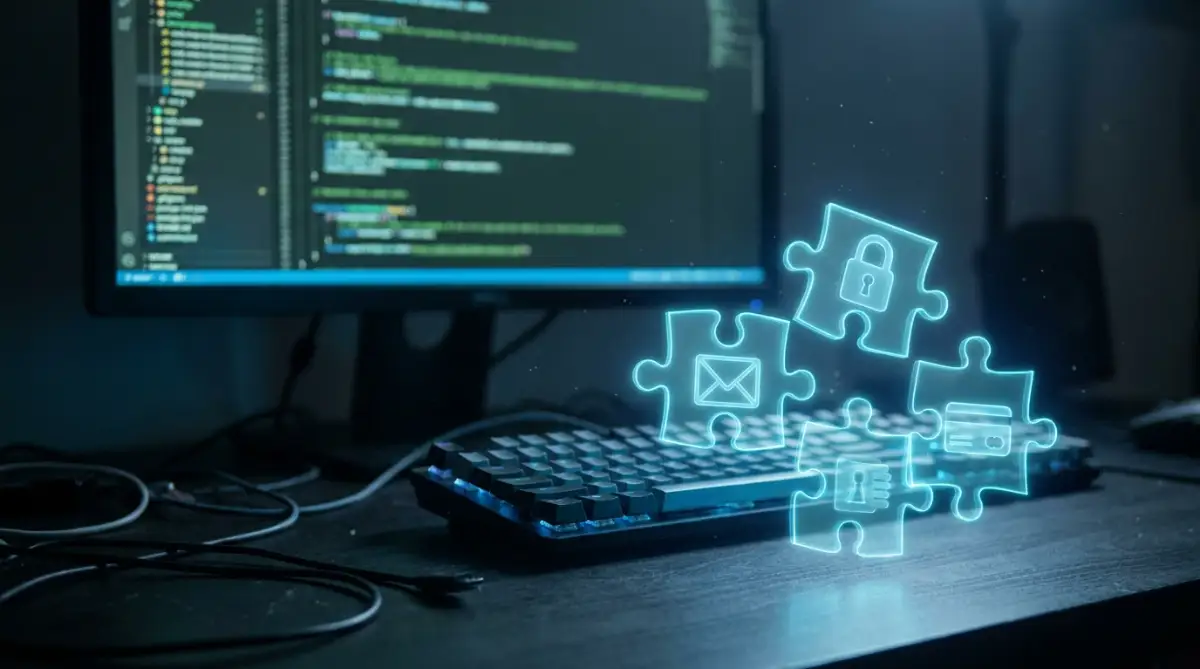
Think of your digital footprint like a puzzle made of thousands of tiny pieces. A data leak suddenly hands over a huge chunk of your puzzle directly to bad actors. They use these pieces to slowly build a complete picture of who you are and what you own.
The Dark Web Marketplace Explained
Once your data is stolen, it almost always ends up on the dark web. This hidden part of the internet is where cybercriminals buy and sell massive lists of user information. Your name, email, and password combination might be sold for just a few pennies.
Even though it sounds cheap, hackers buy these lists by the millions. They know that if they buy enough data, they will eventually find a way to make a huge profit. Your personal identity is simply grouped together with thousands of other victims in a massive digital auction.
Credential Stuffing: The Master Key Method
Many of us are guilty of using the same password across multiple different websites. Hackers love this habit because it makes their job incredibly easy. They use automated software to test your leaked email and password on hundreds of other sites, like your bank or social media.
This automated attack is known as credential stuffing. It is exactly like a thief stealing your house key and trying it on every single door in your neighborhood. If you recycle your passwords, a leak on a small fitness app can suddenly give hackers access to your main email account.
Let's look at a real-world breakdown of what usually happens right after your data gets stolen:
| What Hackers Steal | What They Try Next | Your Best Fix Right Now |
| :--- | :--- | :--- |
| Email & Password | Logging into your bank or social media | Use a password manager |
| Phone Number | Sending fake texts pretending to be the post office | Ignore unknown text links |
| Credit Card Details | Small test charges (like $1.00) to see if it works | Turn on app spending alerts |
Targeted Phishing and Social Engineering
Sometimes, stolen data is not used to hack your accounts directly. Instead, scammers use your leaked information to manipulate you into giving them exactly what they want. They might call you on the phone, pretending to be your bank, and use your real address to sound convincing.
Because they know so many real details about your life, their lies sound incredibly authentic. You might easily believe them when they say there is a problem with your account. This psychological manipulation is known as social engineering, and it is extremely effective against regular people.
Taking Immediate Control Back from the Hackers
Feeling scared after a data leak is completely normal, but staying frozen in fear will not help you. You have the power to take immediate action and shut the door on these cybercriminals. By making a few smart changes, you can instantly make your digital life much harder to attack.
The main goal is not to become perfect at cybersecurity, because nobody is perfect. The goal is simply to make yourself a very difficult target for automated hacker tools. If your accounts are hard to crack, hackers will usually give up and move on to easier victims.
Lock Down Your Exposed Entry Points
The very first thing you must do is change the password for the account that was directly leaked. However, you cannot stop there if you want to be truly safe. You also need to change the password on any other website where you used that exact same login combination.
This is where a good password manager becomes your absolute best friend. These simple tools create long, complicated passwords for every single site and remember them for you. You only have to remember one main master password, and the app handles the rest securely.
My own mistake taught me a big lesson about this exact problem. I used to use the same password for everything until someone logged into my favorite streaming account and locked me out. My huge realization was that one simple leaked password gave them a master key to my whole life. Now, I use a dedicated password manager, and it has honestly saved my peace of mind.
Turn On the Ultimate Safety Net
Changing your passwords is a great start, but you need an extra layer of protection to be truly secure. This is where Two-Factor Authentication comes into play. It acts like a heavy security chain on your front door, even if the lock itself has been picked.
When this feature is turned on, a hacker cannot log into your account just by knowing your password. They would also need physical access to your mobile phone to enter a temporary secret code. This simple extra step stops the vast majority of automated hacking attempts dead in their tracks.
Freeze the Financial Pathways
If you suspect that your highly sensitive details, like your social security number or bank details, were exposed, you must act fast. You can easily contact major credit bureaus and place a free security freeze on your credit report. This legally stops anyone from opening new credit cards or loans in your actual name.
It might sound like a huge hassle, but freezing your credit is actually quite simple and entirely free. You can easily unfreeze it temporarily if you ever need to apply for a loan yourself. This one action gives you massive protection against long-term financial identity theft.
Understanding the Mechanics of Synthetic Identity Fraud
One of the scariest things hackers do with leaked information is create something called a synthetic identity. Instead of stealing your entire identity, they take just one real piece, like your government ID number. They then mix it with a totally fake name and a fake address to create a brand-new, imaginary person.
Because the ID number is real, the credit bureaus sometimes get confused and start tracking this fake person. The hackers then spend months building up a good credit score for this imaginary identity. Once the score is high enough, they take out massive loans and completely vanish.
This leaves you with a deeply confusing mess to clean up, because the bad debt is tied to your real ID number. It is extremely hard to prove that you did not take out those loans, since part of the information matches you. This is exactly why monitoring your credit reports regularly is absolutely necessary in today's internet environment.
A Quick Look at the Reality of Data Breaches
People often have many misconceptions about how data leaks actually happen and affect them. Let us clear up some of the biggest misunderstandings right now.
The Importance of Digital Footprint Tracking
You cannot protect what you do not actively monitor on a regular basis. You should make a habit of checking your main email addresses on secure tracking websites. These helpful tools will quickly tell you if your email has appeared in any known data dumps online.
If you find your email on a list, do not panic immediately. Simply use it as a helpful reminder to update your old passwords and check your recent bank statements. Being proactive is always much better than reacting to a stolen identity after the damage is already done.
Setting Up Iron-Clad Defenses
Building a strong defense against cyber threats does not require a computer science degree. It simply requires you to slow down and be mindful of your daily online habits. Every small positive change you make builds a thicker wall between you and the bad actors.
For example, start using a temporary email address when you sign up for random online newsletters or one-time purchases. This keeps your primary, important email address out of random company databases that might get hacked. It is a tiny extra step that massively reduces your overall risk of exposure.
Here is a highly effective breakdown to help you visualize secure online habits:
The Science of Good Security Habits
Human psychology plays a huge role in why data leaks are so devastating to regular people. We are naturally wired to seek convenience and speed in our daily lives. Creating a unique, twenty-character password for every website feels incredibly annoying and completely unnatural to our brains.
Hackers understand this human weakness perfectly, and they build their attacks around our predictable laziness. They know that if they breach one system, the users probably took the easy way out with their security habits. Overcoming this requires a slight shift in how we view our own online privacy.
Building Muscle Memory for Privacy
You can actually train your brain to naturally prioritize security without feeling stressed out. Start by making small, manageable changes instead of trying to fix everything in a single day. Choose just one important account, like your primary email, and secure it thoroughly today.
Tomorrow, you can move on to securing your banking app or your main social media profile. By taking it one step at a time, you build strong security habits without feeling overwhelmed. Eventually, using strong passwords and two-factor authentication will feel just as normal as locking your front door.
The Danger of Oversharing Online
We also need to talk about the information we willingly give away on our public profiles. When a data leak happens, hackers often combine the stolen data with things you have posted publicly. If they find your leaked email, they might look at your social media to find the answers to your security questions.
Many people proudly post about their first pets, the street they grew up on, or their mother's maiden name. Unfortunately, these are the exact same answers banks use to verify your identity over the phone. You have to start treating your personal history as private, confidential information that nobody else needs to know.
Learning to Spot the Red Flags Early
The faster you realize your information has been compromised, the less damage the hackers can actually do. You need to learn exactly what a potential security threat looks like in your daily life. Sometimes, the signs are incredibly subtle and easy to ignore if you are not paying close attention.
If you suddenly stop receiving your regular mail, or you get emails about accounts you never opened, take it seriously. A small charge of two dollars on your credit card might seem like a simple mistake. However, hackers often make tiny test charges to see if a stolen card is active before making huge purchases.
Staying aware of these tiny details gives you a massive advantage over cybercriminals. It allows you to freeze your accounts and stop the attack before they can drain your savings. Your attention to detail is truly your best weapon in the fight for your own digital privacy.
Taking Your Digital Shield to the Next Level
Now that your basic defenses are up, it is time to turn your online presence into a fortress. Most people stop at changing their passwords, but you are going to go a few steps further. These advanced strategies will make you virtually invisible to the automated bots scanning the internet for easy targets.
Think of these methods like installing a top-tier alarm system on your house. The hackers will take one look at your security setup and immediately walk away to find someone easier to trick. Let us walk through some incredibly powerful, yet perfectly manageable habits you can start building today.
The Magic of Virtual Credit Cards
One of my absolute favorite tricks for online shopping is using a virtual credit card. Instead of giving a website your real banking details, you generate a fake card number just for them. If that specific website ever suffers a massive data leak, the hackers only get a useless set of numbers.
Your actual bank account remains completely hidden and perfectly safe. Many modern banks and financial apps offer this feature entirely for free inside their mobile applications. You can even set strict spending limits on these virtual cards, which instantly stops unauthorized monthly subscriptions from draining your account.
Quick Myth vs. Fact Check:
- Myth: Virtual cards are too complicated for normal people to set up.
- Fact: If you use modern banking apps like Capital One, Citi, or even Apple Pay, you are probably just three taps away from generating a virtual number. It takes about 30 seconds, costs nothing, and keeps your real bank account totally hidden.
This strategy is especially helpful when you are navigating unfamiliar banking apps overseas. If you want to learn more about keeping your money safe abroad, you should definitely read up on international banking secrets every first-time traveler needs to know. It will save you a massive headache if you ever need to freeze a compromised card while traveling.
Embracing Physical Security Keys
If you want the absolute highest level of protection available, you should look into hardware security keys. These look like tiny USB flash drives that you attach directly to your real-life keychain. When you try to log into your email, the website will actually ask you to physically tap the key.
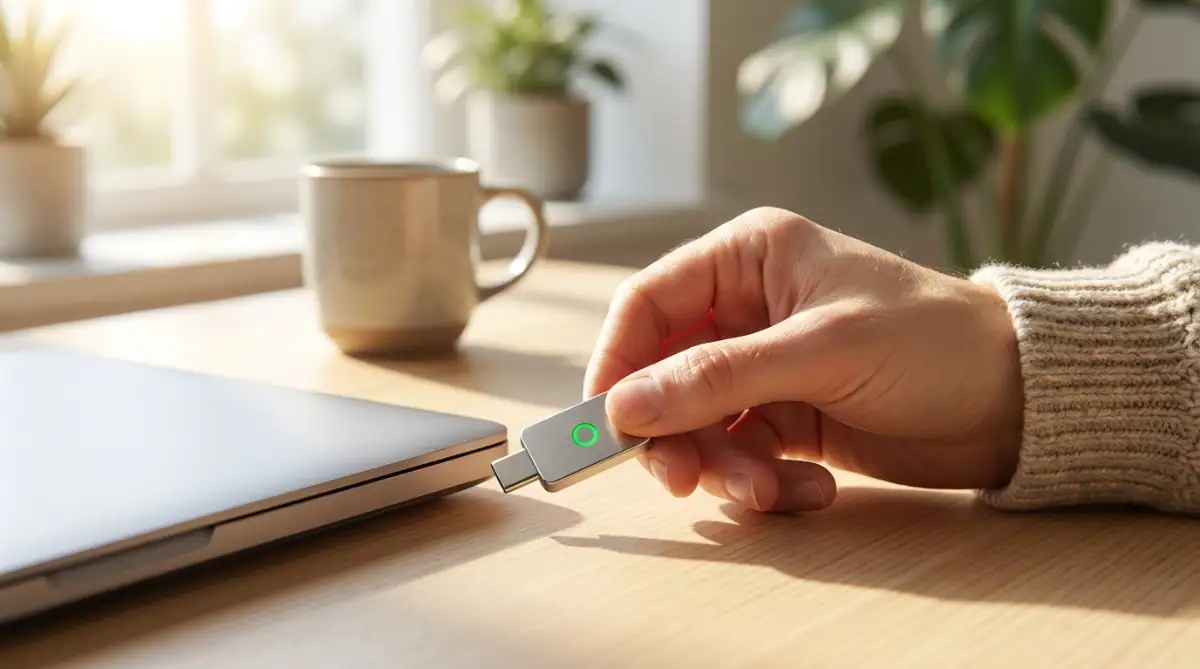
This completely eliminates the danger of someone hacking you from halfway across the world. Even if a cybercriminal steals your exact password, they cannot get in without holding that physical key in their actual hands. For a deeper understanding of proper security frameworks, you can check the NIST digital identity guidelines, which highly recommend physical keys for absolute safety.
Mastering Email Aliasing
Giving out your real email address to every random newsletter is a surprisingly dangerous habit. Instead, you should start using email aliases, which act as helpful middlemen between you and shady websites. Services like Apple’s 'Hide My Email' or SimpleLogin create unique, random email addresses for every site you visit.
All the messages still forward directly to your main inbox, so you never miss anything important. However, if an online store gets hacked, you can simply delete that specific alias with one click. The hackers never even get the chance to see your real, private email address.
Securing Your Old Hardware
We often worry so much about internet hackers that we forget about the physical devices sitting in our own homes. When you sell an old smartphone or laptop, you might accidentally hand over your saved passwords to a total stranger. Deleting your files normally is never enough, because data recovery tools can easily bring them right back.
You must always wipe your hard drives completely clean before getting rid of any electronics. I highly recommend learning how to safely wiping data from your premium gadgets to ensure your digital footprint stays in your control. This simple habit guarantees that your past online life does not come back to haunt you.
The Dangerous Traps We All Fall Into
Even smart, careful people make emotional mistakes when dealing with a stressful privacy breach. Panic often makes us rush through our security updates, leading to sloppy choices that hackers easily exploit. It is perfectly normal to feel overwhelmed, but we need to recognize these common traps before we fall right into them.
Ignoring the subtle signs of a breach is a terrible idea that will eventually cost you dearly. The longer you wait to take action, the more time cybercriminals have to dig deep into your personal life. Let us look at the most frequent errors people make and how you can easily avoid them.
The Password Variation Illusion
Here is a very harsh truth that most internet users refuse to accept. Changing your password from "Summer22!" to "Summer23!" does absolutely nothing to protect you from modern hackers. The software they use is smart enough to guess these tiny variations in a matter of seconds.
They know exactly how human beings think when we are forced to update our login details. We always try to take the lazy route by just changing the last number or adding a special character at the end. You must completely break this pattern and use entirely random words generated by a proper password manager.
The Legacy Account Graveyard
You probably have dozens of old accounts on websites you have not visited in over a decade. Old gaming forums, abandoned social media profiles, and forgotten email providers are an absolute goldmine for hackers. These outdated websites usually have terrible security, making them incredibly easy to break into.
The biggest problem is that these old profiles often contain answers to your secret security questions. They might show the name of your first pet or the high school you attended. Cybercriminals will harvest this public information and use it to break into your highly secure modern bank accounts.
You need to take an afternoon to hunt down and permanently delete these abandoned profiles. If you have kids who are starting to make their own accounts, this is a great time to teach them better habits. You can easily protect your child's online privacy with these simple steps to ensure they do not leave a massive trail of vulnerable data behind them.
Suffering from Alert Fatigue
Modern technology constantly bombards us with hundreds of notifications every single day. We get so used to swiping away alerts that we often ignore genuine security warnings from our banks or email providers. This dangerous habit is called alert fatigue, and hackers rely heavily on you being too tired to care.
If your phone warns you about a suspicious login attempt from another country, do not just clear the notification. Take exactly two minutes to open the app directly and verify your account activity. Treating every security alert with a healthy amount of respect can literally save your entire financial identity.
Falling for the Customer Support Scam
Right after a massive news story about a data leak, scammers go into overdrive. They will call or email you, pretending to be a helpful support agent from the hacked company. They will sound very professional and offer to help you secure your compromised account.
Never forget that legitimate companies will never call you out of the blue to ask for your passwords or verification codes. This is a classic social engineering trick designed to make you panic and hand over the keys. Many modern businesses use automated systems, so it helps to upgrade your support workflow with seamless AI chatbots knowledge to understand how real companies actually communicate.
If you ever feel pressured by someone on the phone, simply hang up immediately. You can then visit the official website yourself and contact their real support team through secure channels. For an official guide on handling these exact situations, review the Federal Trade Commission's identity theft reporting portal, which offers a step-by-step recovery plan.
Understanding the Developer's Role in Your Privacy
Sometimes, data leaks happen entirely because the software engineers building the website took dangerous shortcuts. When companies rush to release new features, they often skip proper security testing protocols. This leaves massive open doors in their code that hackers can easily walk right through.
We must demand better accountability from the platforms that hold our sensitive information. Developers need strict guidelines to ensure they are handling user data with the highest level of care. Understanding the essential ethical standards developers need for AI software helps you realize exactly what you should expect from the apps you use daily.
If a company has a long history of losing customer data, it is time to take your business elsewhere. You vote with your wallet, and choosing privacy-focused alternatives forces the industry to slowly change for the better. Your data is incredibly valuable, and you should only trust it with organizations that actively fight to protect it.
Your Immediate Game Plan for Total Peace of Mind
Reclaiming your digital safety does not mean you have to disconnect from the internet and live in the woods. It simply means making small, smart adjustments to how you interact with the digital world around you. By implementing the steps we discussed, you are already miles ahead of the average internet user.
Security is not a final destination; it is an ongoing journey of building better daily habits. You will make mistakes along the way, and that is perfectly okay. The goal is simply to make your personal information so difficult to reach that hackers completely give up on you.
A Simple Action Plan for Tomorrow Morning
Do not try to fix your entire digital life tonight, because you will just get frustrated and quit. Instead, I want you to pick just two highly important accounts, like your main email and your bank. Turn on two-factor authentication for both of them, and write down your backup recovery codes on a physical piece of paper.
Next week, you can tackle setting up a password manager and changing a few of your older, reused passwords. Slow and steady progress is the absolute best way to build security habits that actually stick. Every single account you lock down brings you one step closer to complete peace of mind.
My biggest realization was that protecting my digital life actually gave me a massive sense of personal freedom. I no longer panic when I see news about a big website getting hacked, because my safety nets are already in place. Take a deep breath, follow these simple steps, and take your power back today.
Straight Answers to Your Biggest Security Questions
Can I completely remove my leaked information from the dark web?
Unfortunately, once your data is published on the dark web, it is impossible to erase it. Hackers constantly copy and share these massive files across hidden, decentralized servers. Your best defense is to make that stolen data completely useless by immediately changing your passwords and freezing your credit lines.
How do I actually know if my phone is hacked after a data leak?
A website data leak rarely means your actual physical phone is compromised. However, you should watch out for extreme battery drain, strange apps you never installed, or massive spikes in your mobile data usage. If you notice these specific red flags, run a trusted antivirus scan and consider performing a full factory reset.
Should I pay for expensive identity theft protection services?
Most people do not need to pay a heavy monthly fee for basic identity protection. You can freeze your credit manually for free, and most credit card companies offer complimentary fraud monitoring. However, if your social security number was heavily exposed in a major breach, a paid service might offer helpful insurance and dedicated recovery assistance.
What is the absolute first thing to do when a breach happens?
Do not panic and click random links in emails, because those are often secondary phishing scams. Go directly to the official website by typing the address into your browser yourself. Immediately change the password for that specific site, and then update any other accounts where you reused that exact same login combination.
Does clearing my browser history protect me from data breaches?
Clearing your local browser history is great for basic privacy if you share a computer with family members. However, it does absolutely nothing to protect you from a database leak on a major company's server. To protect against server-side breaches, you must rely entirely on strong, unique passwords and multi-factor authentication.
Is it safe to let my web browser save all my passwords?
Using a browser's built-in password saver is definitely much better than reusing the same password everywhere. However, dedicated password manager apps are generally much safer because they use stronger encryption methods. If a hacker gets access to your unlocked computer, they can easily view all the passwords saved directly in your browser settings.
Disclaimer: The information provided in this article is for educational and informational purposes only and does not constitute professional cybersecurity, financial, or legal advice. While every effort has been made to ensure accuracy, online security threats evolve rapidly. Always consult with certified IT professionals or financial advisors for specific guidance regarding your personal data protection and identity theft recovery.